Rising global crude oil prices, projected to remain above $100 per barrel, are set to sustain elevated fuel costs, worsening pressure on households and businesses already struggling with an energy crisis. The warning from the International Energy Agency (IEA) shows a tightening global supply outlook driven by geopolitical tensions, especially the war in Iran, and underinvestment in upstream oil production amidst persistent demand growth will keep crude oil above $100 a barrel.
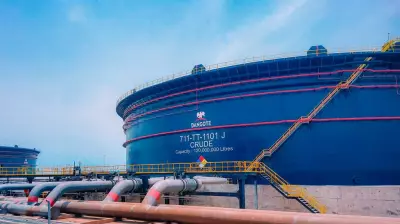
For Nigeria, despite the Dangote Refinery operation, petroleum prices have stayed over N1200 per litre even as aviation fuel is worst hit, currently hovering around N1,800 per litre. Although oil prices briefly dipped below $100 per barrel at the start of the week on optimism over a possible U.S.-Iran deal, the reprieve proved short-lived.
Comments by President Donald Trump indicated that there is no urgency in concluding negotiations, a development which could mean continuous blockade of the Strait of Hormuz. The strait, a critical artery for global oil flows, has remained largely inaccessible for months, removing an estimated 14–15 million barrels per day from the market. This disruption has exposed deeper structural weaknesses in global oil supply.

Executive Director of the International Energy Agency (IEA), Dr Fatih Birol, in IEA latest report, said declining inventories and the absence of Middle Eastern exports are coinciding with peak seasonal demand, raising the risk of a supply “red zone” by mid-year. Unlike previous market shocks, he said, the current crisis is compounded by a decade of subdued investment in new oil projects, limiting the industry’s ability to respond accordingly.
Analysts at the agency argued that the market has yet to fully price in the scale of the disruption. Despite the magnitude of supply losses, exceeding previous oil crises, traders have continued to build short positions, betting on a swift resolution to the geopolitical standoff. However, with the blockade persisting three months on, this optimism appears increasingly misplaced.
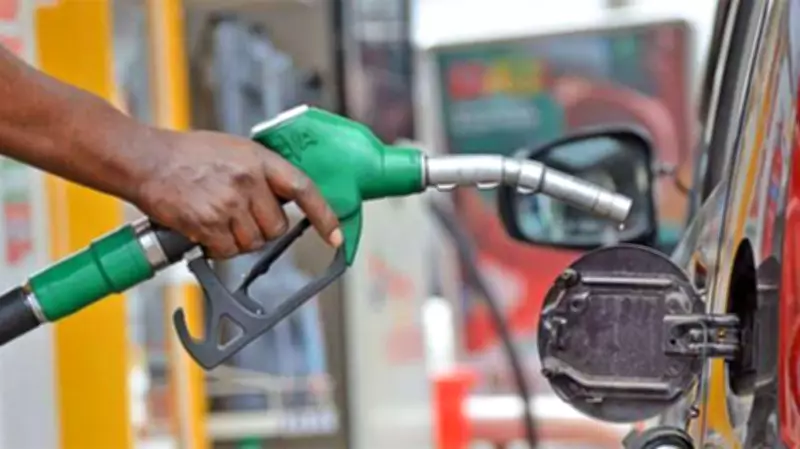
Last month, Nigeria’s spending on premium motor spirit (PMS) soared to N2.05 trillion amid rising pump prices and tightening supply dynamics. The April state of the industry fact sheet released by the Nigerian Midstream and Downstream Petroleum Regulatory Authority (NMDPRA) showed the average retail price of PMS hovering around N1,340 per litre.
The NMDPRA said daily consumption stood at 51.1 million litres, translating to about N68.4 billion per day. This pushed total monthly consumption to approximately 1.5 billion litres, valued at N2.054 trillion. In March, daily consumption was lower at 47.3 million litres per day, while daily supply from domestic refinery and import stayed at 40.1 million litres per day in April and slightly increased to 44.4 million litres per day in April.
According to NMDPRA, importation crashed from 5.9 million litres per day in March to 3.7 million litres in April.