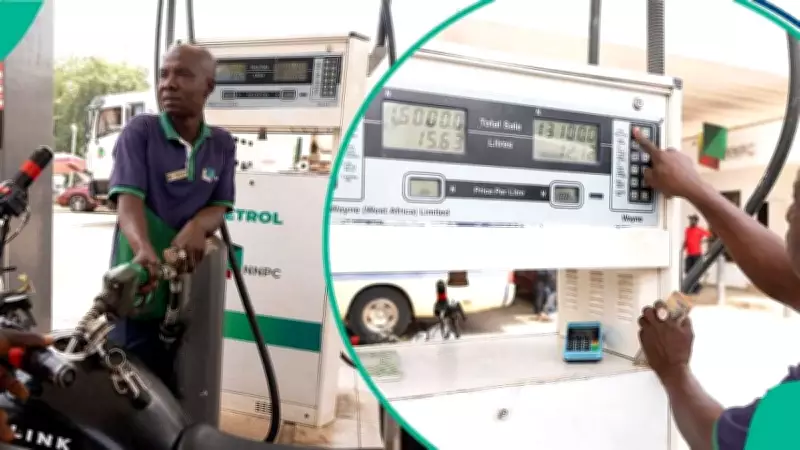
Petrol depot prices across Nigeria have surged past the N1,300 per litre mark as global crude oil prices remain unstable, triggering fresh concerns over another round of pump price increases at filling stations nationwide.
Depot Owners Raise Prices Amid Global Uncertainty
Industry data shows that private depot owners are raising Premium Motor Spirit (PMS), commonly known as petrol, prices in response to rising international crude costs and uncertainty in the global energy market. The development comes shortly after the mega Dangote Refinery adjusted its own PMS prices upward, further intensifying pressure across the downstream petroleum sector.
Experts say many depot operators are now taking precautionary measures to avoid losses, especially as tensions between the United States and Iran continue to threaten crude oil supply routes through the Strait of Hormuz. The Strait of Hormuz remains one of the world’s most critical oil transit routes, accounting for nearly 20 per cent of global crude oil supply. Analysts warn that any prolonged disruption in the region could significantly push up global energy prices and worsen Nigeria’s fuel pricing crisis.

Current Depot Prices Across Key Hubs
According to data obtained from PetroleumPriceNG, PMS prices at private depots averaged about N1,350 per litre within the last 24 hours. The report tracked prices across key petroleum hubs, including Lagos, Warri, Port Harcourt, and Calabar. Among the listed operators, Liquid Bulk sold petrol at N1,325 per litre, Optima at N1,313, TSL at N1,320, while African Terminal offered PMS at N1,285 per litre. These fresh rates signal continued instability in Nigeria’s petroleum market and suggest that retail pump prices may soon be adjusted upward by filling stations.
Dangote Refinery's Price Adjustment Adds Pressure
Speaking on the development, financial analyst Osas Igho said depot owners are becoming increasingly cautious due to unpredictable market conditions. “Right now, a lot of the operators are highly sceptical of the market and are strongly hedging against volatility,” he said. “They are also protecting themselves against a further possible price hike by Dangote Refinery.” Since the removal of fuel subsidy and the gradual deregulation of the downstream sector, fuel prices have remained highly sensitive to both local supply issues and international crude price movements.
Nigerians Face Rising Energy Costs
Since February, Nigerians have continued to battle rising fuel costs, with diesel prices now selling above N2,000 per litre in several parts of the country. The sharp increase has forced many large corporations and manufacturers to seek cheaper alternatives, such as gas-powered systems, to reduce operational expenses. Liquefied Petroleum Gas (LPG), commonly known as cooking gas, has also recorded a steep rise in price. Dealers have reportedly added over N100 per kilogram, placing additional pressure on households already struggling with inflation and the rising cost of living. As a result, many families are turning to alternative energy sources such as firewood and charcoal, despite growing concerns over environmental and health implications.
With global crude oil prices still under pressure and local refiners adjusting prices upward, Nigerians may have to prepare for another round of fuel price hikes in the coming weeks.