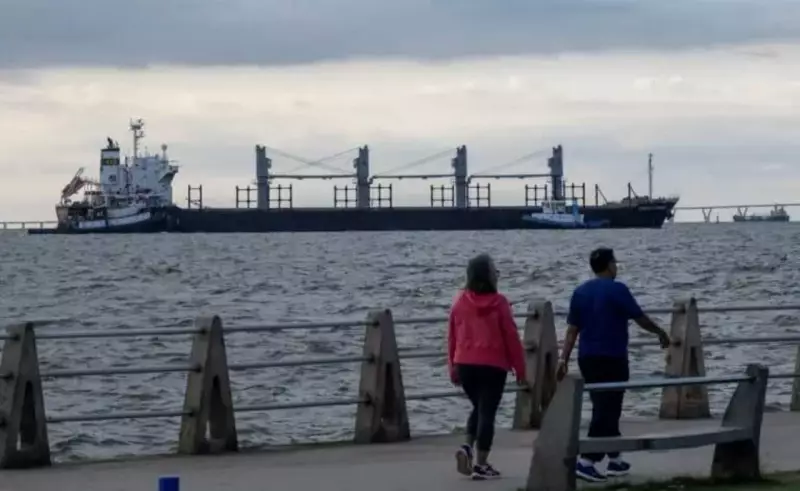
Three large tankers, chartered by the American energy giant Chevron, are currently sailing from Venezuela to ports in the United States. This movement comes amidst a tightening U.S. naval blockade that is causing a significant and worrying buildup of crude oil in Venezuela's storage facilities, according to ship-tracking data analyzed by AFP.
Tracking the Tankers: A Detailed Look at the Shipments
The vessels are part of a fleet of eleven ships booked by Chevron, the sole U.S. company with active operations in Venezuela. On Thursday, January 8, 2026, data from Bloomberg and the trade platform Kpler showed three ships in transit to the U.S.
The Ionic Anassa was last recorded passing Cuba, heading for Pascagoula Port in Mississippi. It had loaded its cargo at the Bajo Grande refinery port in western Venezuela on January 4.

Meanwhile, the Nave Photon was tracked north of Caracas, destined for Port Freeport in Texas. It had arrived at the Jose terminal in eastern Venezuela on January 5. Close behind was The Mediterranean Voyager, which also appeared to have loaded oil at the Jose terminal.
Two other tankers, the Minerva Gloria and the Searuby, were anchored at Bajo Grande on Thursday. Analysis suggested the Gloria was fully loaded, while the Searuby was empty. The remaining six vessels in the chartered fleet were en route to Venezuela, apparently empty.
Mounting Pressure: Sanctions Trigger Storage Crisis
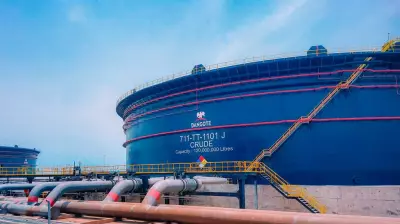
The ongoing U.S. blockade on Venezuelan exports is creating a severe logistical bottleneck. Analysts from Kpler warn that onshore oil stocks in Venezuela's tanks have been rising sharply since the U.S. seizure of the tanker Skipper on December 10.
The latest assessment, based on radar imagery from December 30, indicates that these onshore inventories have exceeded 22 million barrels. This figure represents nearly half of the country's total storage capacity, signaling a critical situation.
"With loading activity now slowing sharply due to the naval blockade, Kpler analysts expect upcoming radar imagery to show further inventory builds," said Emmanuel Belostrino, a senior analyst at Kpler, in a report.
Floating Storage and Corporate Silence
The export bottleneck is also manifesting offshore. At the beginning of the week, Kpler figures showed that at least 16.7 million barrels of crude were being stored on board at least fifteen large tankers anchored near the Venezuelan coast, acting as temporary floating reservoirs.
When contacted by AFP for comment on the specific vessel movements, Chevron declined to confirm details. The company stated it "remains focused on the safety and wellbeing of our employees" and operates "in full compliance with all relevant laws."
This development follows a statement from U.S. President Donald Trump on Tuesday, who said Caracas would turn over 30 million to 50 million barrels of sanctioned crude to the United States. The movement of these three Chevron-chartered tankers appears to be the first physical manifestation of that process, even as Venezuela's ability to store its own oil rapidly diminishes.