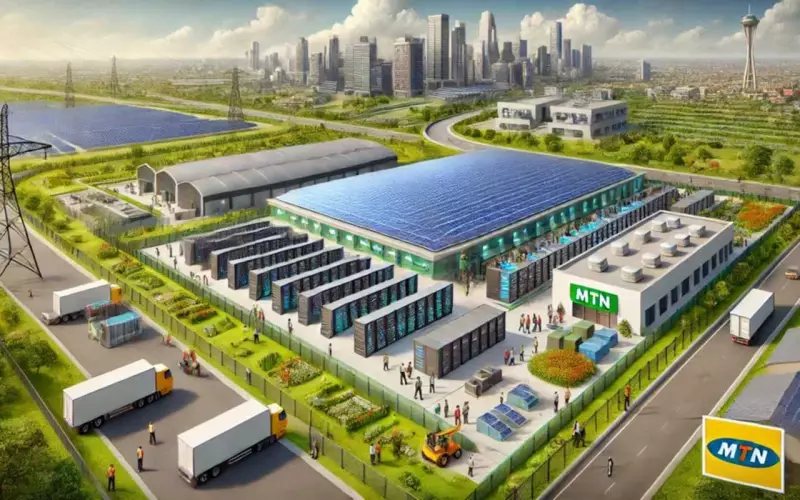
A new market intelligence report has revealed a seismic shift in Nigeria's construction landscape, with the data centre segment now standing as the undisputed fastest-growing asset class. This explosive growth is set against a backdrop of varied performance across the country's broader real estate sectors.
Data Centres: Powering Nigeria's Digital Future
According to the "Lagos Real Estate Development Pipeline Report" by African real estate platform Estate Intel, the data centre development pipeline is equivalent to a staggering 186.37 per cent of the existing stock. The total supply is projected to rocket from 56.1 megawatts (MW) in 2025 to more than 218MW by 2030. This represents a monumental over 3.7-fold increase in just five years.
This remarkable trajectory is being fuelled by intensifying interest from major international operators. Global giants like Equinix, OADC, and Digital Realty are actively reinforcing the sector's development, betting on Nigeria's digital transformation and economic recovery.

Residential Real Estate: A Market of Contrasts
While the data centre sector booms, the residential market presents a more complex picture. Estate Intel notes an active development pipeline of approximately 34,800 housing units. However, this figure is dwarfed by Nigeria's colossal housing deficit of more than 2.7 million units.
Faced with soaring construction costs and macroeconomic pressures, many developers are pivoting their focus. "While this supply gap presents opportunities for developers, particularly in the middle-income and deluxe-grade segments, many developers are increasingly shifting focus to the luxury market, where profit margins are more resilient to economic shocks," the report stated.
This strategic shift is reflected in soaring prices. In prime areas like Ikoyi, Victoria Island, Ikeja, and Lekki Phase 1, sale prices for three-bedroom apartments have skyrocketed by 38 to 60 per cent annually over the past five years. Rents have also climbed as landlords adjust for currency devaluation, but the severe undersupply ensures properties are quickly reoccupied at new rates.
Other Sectors: Cautious Optimism Amid Challenges
The report identified other areas of growth and challenge:
- Hospitality: More than 3,700 new hotel rooms are expected between 2026 and 2029, with a brighter outlook anticipated as the economy stabilises.
- Office Market: This segment remains tenant-led, with development largely driven by owner-occupiers rather than speculative building.
- Retail Sector: Recovery is expected to be slow, hampered by foreign exchange volatility. However, new indigenous retailers like SINOMART and iFitness are helping to fill vacancies in malls such as The Palms Lekki and Ikoyi Plaza, often at negotiated rents below landlord targets.
Estate Intel's analysis underscores a Nigerian construction industry at an inflection point. The breakneck expansion of digital infrastructure through data centres highlights the nation's tech-forward ambitions, while the residential and commercial sectors navigate a path through economic headwinds and persistent supply-demand imbalances.