Expert Urges Infrastructure Investment to Ease Urban Pressure in Nigeria
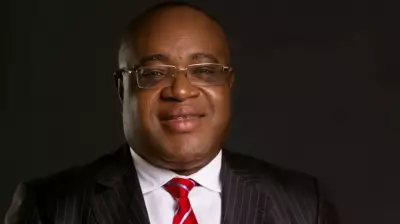
Real estate expert Chudi Ubosi has issued a compelling call for increased investment in infrastructure and public services, including rail systems and water transportation, to alleviate the mounting pressure on Nigeria's urban centres. As the Principal Partner of Ubosi Eleh & Company, Ubosi emphasized that such investments are critical to addressing the nation's escalating housing challenges.
Reforms to Land Use Act and Housing Solutions
During a webinar titled The Rent Crisis: Understanding Nigeria's Housing Challenge and the Way Forward, Ubosi advocated for reforms to the Land Use Act. He highlighted that these reforms are necessary to improve access to land and reduce the high costs associated with land transactions, such as consent fees and planning approvals. The webinar brought together participants from across the country to examine the root causes of rising housing costs and explore sustainable solutions.
Ubosi warned that without urgent and strategic intervention, Nigeria's rent crisis is likely to worsen in the coming years. He identified population growth, rapid urban migration, and limited housing supply as key drivers of the escalating housing deficit. He described recent rent increases in major cities like Lagos, Abuja, and Ibadan as unprecedented, noting that rental prices had surged by between 50 and 200 percent within the past year alone.

Collaboration and Long-Term Strategies
To combat these issues, Ubosi called for stronger collaboration among the government, the private sector, and policymakers. He stressed the need to develop long-term solutions aimed at expanding housing supply, improving affordability, and ensuring the sustainability of the real estate sector. According to him, some landlords are increasingly issuing eviction notices to long-term tenants to accommodate new occupants willing to pay higher rents, a trend driven by economic pressures and the desire to maximise returns on investment.
Ubosi noted that less than 25 percent of Nigerians own their homes, meaning the majority of the population relies on rental accommodation and is therefore exposed to fluctuations in rent prices. He added that Nigeria's rapidly growing population, estimated at over 200 million with a large youth demographic, is intensifying demand for housing. As more young people reach adulthood and seek independent living, pressure on existing housing stock continues to increase.
Housing Deficit and Substandard Conditions
Further explaining the crisis, Ubosi pointed out that Nigeria's housing deficit is estimated at between 15 and 28 million units. This deficit is compounded by the large proportion of existing housing that is considered substandard, lacking basic amenities such as proper sanitation and ventilation. As a result, many Nigerians are forced to live in overcrowded and inadequate conditions, exacerbating the urban pressure.
Ubosi emphasized that housing markets are generally inelastic, meaning that policy changes and interventions take time to reflect in outcomes. However, he stressed that urgent action is still required, adding that meaningful improvement must begin with deliberate and sustained reforms. He concluded by reiterating the importance of infrastructure investment and legislative changes to create a more stable and affordable housing environment for all Nigerians.