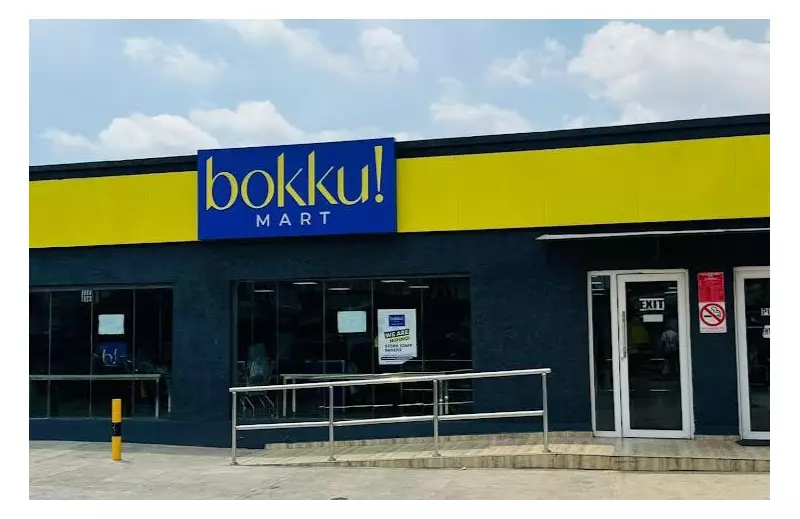
Nigeria's urban centres are witnessing a dramatic shift in how people shop, driven by rapid population growth and changing lifestyles. A new wave of smaller, convenience-focused retail centres, known as neighbourhood malls, is redefining the commercial footprint of cities like Lagos, Abuja, Port Harcourt, Ibadan, and Enugu.
The Rise of Convenience-Driven Retail
With urban populations swelling due to sustained rural-urban migration, challenges like severe traffic congestion, long commute times, and rising transport costs are pushing a retail revolution. The traditional model, which required residents to travel long distances to large, destination-style malls in central business districts, is being challenged. In its place, neighbourhood malls are springing up within residential areas and suburban corridors, bringing essential shopping closer to home.
This evolution offers dual benefits: unparalleled convenience for city dwellers and a potential reduction in city-wide traffic and personal transport expenses. The model, long popular globally, is now being wholeheartedly adopted by local Nigerian investors after an initial market phase dominated by foreign-backed, large-scale 'Grade A' malls.

Local Brands Lead the Charge
Location is the critical success factor for these malls. Developers are strategically placing them near residential estates, busy junctions, and community centres. This has spurred the growth of homegrown retail chains aggressively expanding their neighbourhood presence.
Brands such as Jendol, Justrite, Addide, Goodie, and Park 'n' Shop are becoming household names in many localities. Established players like Addax, Essenza, MedPlus, The Place, Ebeano, Hubmart, Grand Square, HealthPlus, and Bokku Mart are also rapidly opening multiple neighbourhood outlets.
Typically ranging from 7,000 to 13,000 square metres, these centres prioritise functionality and affordability over luxury. Their tenant mix is carefully curated for daily needs, featuring supermarkets, pharmacies, quick-service restaurants, salons, and basic electronics and fashion stores. This stands in stark contrast to the large destination malls like Novare Mall or Ikeja City Mall, which were designed as social hubs with cinemas and extensive food courts.
Economic Pressures Fuel the Shift
The pivot towards smaller malls is not merely a consumer trend but a strategic response to macroeconomic headwinds. A Knight Frank report highlighted Nigeria's inflation rate hitting a 15-year high of 33.2% in the year to March 2024, severely eroding consumer purchasing power. This environment, coupled with foreign exchange constraints and profit repatriation issues, has made large mall operations increasingly difficult.
Prominent international retailers, including South Africa's Mr Price and Shoprite, have exited the Nigerian market, citing naira depreciation and weak demand. Consequently, developers see neighbourhood malls as a lower-risk investment with reduced development costs, faster occupancy rates, and more predictable revenue streams.
Expert Insights: Functionality Over Aesthetics
Alfred Osagie, a Senior Partner at West Norwood Realty, emphasises that the rise of these malls is driven by fundamental need rather than aesthetics. "Society is moving away from aesthetics towards functionality," Osagie explained. "It is about the mix of tenants and what they offer." He noted that modern shoppers still want trusted brands but demand proximity, preferring to "step into the next store" for their needs.
Osagie highlighted that most neighbourhood malls are self-owned or self-leased, granting owners greater control over operating costs like power and security. Their flexibility allows them to adjust operating hours and manage expenses efficiently. Crucially, they serve the medium- and low-income segments that form the bulk of Nigeria's urban population.
Planning Challenges and the Path Forward
Despite their advantages, neighbourhood malls face significant hurdles. Experts point to poor parking provision, traffic disruption, inconsistent customer service, and weak planning oversight as recurring issues.

Rasheed Osinowo, a town planner, warned that the rapid, often uncoordinated emergence of these malls reflects underlying planning weaknesses. "Permits may not always be well scrutinised," he said, noting problems with waste management and clogged drainage. He advocated for stricter adherence to urban master plans and the creation of designated commercial zones to better manage development.
Ayodeji Odeleye, Vice Chairman of the Nigerian Institution of Estate Surveyors and Valuers (NIESV) Lagos Chapter, supports the model for dense urban areas. "I think we need more of these malls... Many people live in these neighbourhoods and want something easily accessible," he stated. He suggested government grants could help small businesses scale up into this format.
Looking ahead, Osagie identified improving customer service quality and adapting to digital payment platforms as key areas for growth. As Nigeria's cities continue to densify, the neighbourhood mall, with its emphasis on convenience and community, appears set to become a permanent and central feature of the urban retail landscape.