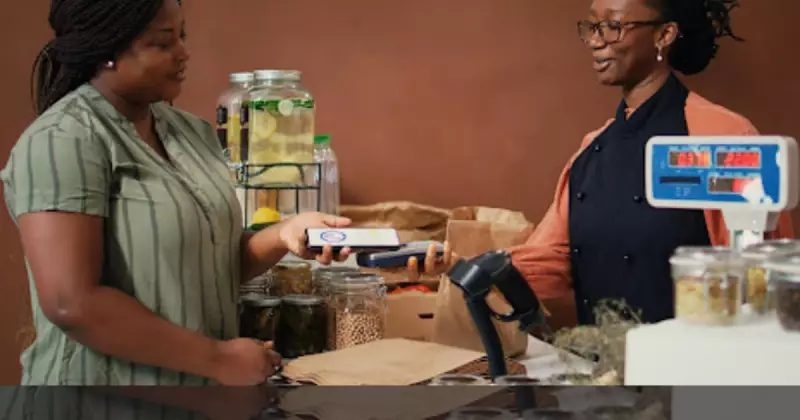
Across Nigeria, a quiet but powerful transformation is reshaping the retail landscape right at the checkout counter. Shoppers now expect speed, convenience, and a variety of payment options. When stores fail to meet these expectations, they risk losing business instantly.
The New Checkout Experience: Speed and Flexibility
Nigerian payment habits have evolved rapidly. Many shoppers now prefer bank transfers, card payments, USSD codes, and digital wallets over physical cash. This shift aligns with the Central Bank of Nigeria's push for a cashless economy, with numerous customers entering stores without any cash at all.
A modern point-of-sale system directly caters to these new behaviors. It seamlessly accepts multiple payment methods—including card, mobile wallet, QR code, and contactless taps—in mere seconds. This efficiency reduces frustrating queues and prevents lost sales from customers who cannot pay their preferred way.

These systems also bridge the gap between in-store and online shopping. By unifying payments across both channels, retailers provide a consistent experience, encouraging more sales and repeat visits from customers who value convenience.
Gaining Control with Real-Time Data
Inventory mistakes can be costly, leading to empty shelves and missed sales opportunities. Manual stock-keeping often results in errors and delayed restocking.
Digital POS tools mitigate this risk through real-time inventory synchronization. Every sale automatically updates stock levels, giving managers an accurate, live view of what is on the shelves. This enables precise reordering based on actual demand, freeing staff from manual counts to focus on customer service.
Beyond inventory, these platforms deliver actionable sales data. Retailers can identify top-selling products, track sales trends daily and weekly, and understand peak shopping hours. This visibility supports smarter pricing, timely promotions, and proactive restocking to meet customer demand.
Building Lasting Customer Relationships
Loyalty programs are most effective when they are simple to manage. Modern POS systems automate this process, moving beyond manual tracking.
With integrated loyalty features, retailers can quickly register customers at the counter, automatically record every purchase, award points or discounts, and send personalized offers via SMS or email. "In a competitive Nigerian retail market, these loyalty features enable retailers to stand out from their competitors and retain customers," notes Pavel Laptev, Product Owner at Unipesa.
This automated recognition fosters repeat business by making customers feel valued. Furthermore, as Nigeria's e-commerce market grows—projected to exceed $16 billion by 2030—POS systems are crucial for omnichannel retail. They sync inventory across online and physical stores, ensuring consistency and allowing retailers to meet shoppers wherever they choose to buy.
Security, Trust, and Future Growth
Trust is fundamental for digital payments. Modern POS systems build this trust with encrypted transaction processing that safeguards customer data, compliance with Nigerian electronic payment regulations, and built-in fraud monitoring.
These systems are also designed to scale with a business. Whether a retailer is expanding to a second location, selling online, or reaching international customers, a robust POS can handle multiple locations, centralized reporting, and integrations with other financial tools without requiring a complete operational overhaul.
Delaying the adoption of modern POS technology puts retailers at a significant disadvantage. Customers increasingly expect fast, flexible payments and will readily switch to competitors that offer a smoother experience. Operating with manual methods leads to more errors, unnoticed stockouts, and missed optimization opportunities, quietly eroding sales and customer loyalty over time.

For Nigerian retailers, modern POS systems represent the next essential step. They streamline the entire retail cycle—from secure, quick payments and accurate inventory control to valuable customer insights and retention tools. Retailers should start by assessing their current checkout and inventory pain points. Beginning with a scalable system that aligns with customer habits is key to driving sales, earning trust, and ensuring customers return.