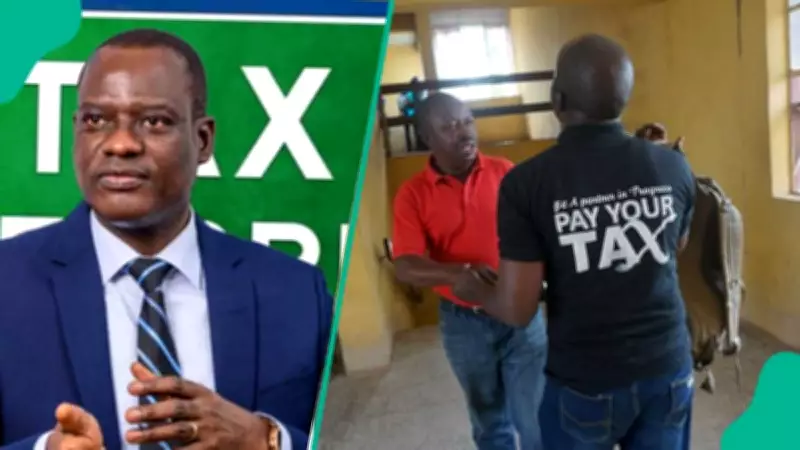
12 Nigerian States Enact Tax Harmonisation Law, 13 More Review Bills
Taiwo Oyedele, the Minister of State for Finance-designate, has announced that at least 12 Nigerian states have officially enacted the tax harmonisation law, a key component of the federal government's broader tax reform agenda. Additionally, 13 more states have submitted the proposed legislation to their respective houses of assembly for review, indicating widespread momentum towards fiscal modernisation across the country.
Details on State Adoption and Legislative Progress
Oyedele disclosed this information on Wednesday in Abuja during the graduation ceremony of 5,900 young entrepreneurs trained by the MTN Foundation in entrepreneurship, business, and innovation. According to his statement, the 12 states that have already enacted the law are actively implementing the reforms, while the 13 states with bills under consideration are at various stages of legislative scrutiny. Several other states are also in the process of adopting the framework, highlighting a coordinated effort to streamline tax administration nationwide.
Objectives of the Tax Harmonisation Initiative
The tax harmonisation law is designed to eliminate what Oyedele described as "nuisance taxes" and reduce harassment of citizens by tax collectors. It aims to modernise Nigeria's tax system, strengthen the country's fiscal structure, and improve the overall business environment. Key goals include simplifying tax processes, protecting taxpayers' rights, and addressing cases of unfair tax treatment. Oyedele emphasised that transparency, fiscal discipline, responsibility, and accountability are critical pillars of an effective tax system.

Broader Context of Tinubu's Fiscal Reforms
This initiative is part of President Bola Tinubu's comprehensive tax reform programme, which seeks to restructure Nigeria's tax administration without primarily increasing tax rates. On June 26, 2025, Tinubu signed four tax reform bills into law, marking a significant step in the administration's efforts to create a structural reset. The reforms are intended to harmonise tax laws, strengthen the federal government's ability to finance major infrastructure projects, and foster a better relationship between the government and taxpayers.
Background on Taiwo Oyedele and Political Developments
Taiwo Oyedele, who currently chairs the Presidential Tax and Fiscal Policy Committee, is an economist, accountant, and fiscal policy expert with over 22 years of experience at PwC. He was nominated by President Tinubu as Minister of State for Finance, replacing Dr Doris Uzoka-Anite, who was moved to the Ministry of Budget and National Planning. The Senate is expected to confirm his nomination, further solidifying his role in driving these fiscal changes.
The tax harmonisation efforts reflect a strategic move to support business growth, protect vulnerable groups, and enhance fairness in Nigeria's economic landscape, as the government continues to push for structural improvements in tax administration.