Nigeria is ushering in a new chapter in its financial governance as the Federal Inland Revenue Service (FIRS) officially makes way for the Nigeria Revenue Service (NRS). This historic transition, set for completion by the start of 2026, represents a fundamental shift in how the nation collects and manages its revenue, answering long-standing calls for a more transparent and effective system.
The Legislative Foundation of the NRS
This transformation is not merely a change in name but the result of extensive legislative action. After months of public consultations and debates, the National Assembly passed a suite of four critical bills designed to overhaul the nation's tax framework. These bills are:
- The Nigeria Tax Bill
- The Nigeria Tax Administration Bill
- The Nigeria Revenue Service (Establishment) Act, 2025
- The Joint Revenue Board (Establishment) Bill
The process reached its climax on 26 June 2025, when President Bola Ahmed Tinubu signed these bills into law. This action effectively repealed the old FIRS Act and provided the legal backbone for the newly established NRS, setting the stage for a modernized revenue administration.

Expanded Mandate and Expected Benefits
The NRS emerges with a significantly broader and more powerful mandate than its predecessor. While FIRS primarily focused on tax collection, the new agency is empowered to handle all federal government revenue. This includes both tax and non-tax income sources, aiming to bring more funds under proper oversight and into the Federation Account.
For the average Nigerian and business owner, this reform is designed to translate into tangible improvements. The NRS promises a streamlined, user-friendly experience for registration, filing, and payment of obligations, eliminating the need for tedious, multi-office visits. The agency also plans to operate from a dedicated corporate headquarters, fostering a more professional and functional environment for its staff and clients alike.
Leadership and a Culture of Accountability
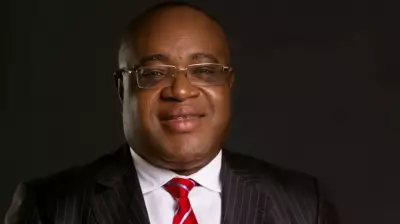
At the helm of this monumental change is Dr. Zacch Adedeji, the Executive Chairman of the NRS. Described as a focused and deliberate leader, Adedeji is credited with injecting sincerity and a results-driven approach into the agency's operations within a short timeframe. His leadership is seen as pivotal in building an institution Nigerians can trust.
He is supported by key figures like Taiwo Oyedele, Chairman of the Presidential Committee on Fiscal Policy and Tax Reforms, alongside members of the National Assembly and various experts. Together, they have worked to embed core principles of accountability and transparency into the new system. A major advancement is the integration of NRS systems with other revenue-generating agencies, enabling better tracking of collections and expenditures.
What This Means for Every Nigerian
The new legal framework underpinning the NRS offers stronger protections for taxpayers, including clear guarantees on the confidentiality of their information. Furthermore, the law encourages seamless collaboration with other government bodies, promising more fluid and efficient service delivery for citizens.
As the curtains close on the FIRS era, Nigerians are encouraged to actively engage with the new NRS. The foundation, built on the Renewed Hope Agenda, aims to foster trust and ensure that revenue management contributes directly to national progress. The year 2026 marks the beginning of this new revenue era, with the potential to impact every citizen's interaction with the state's financial machinery.