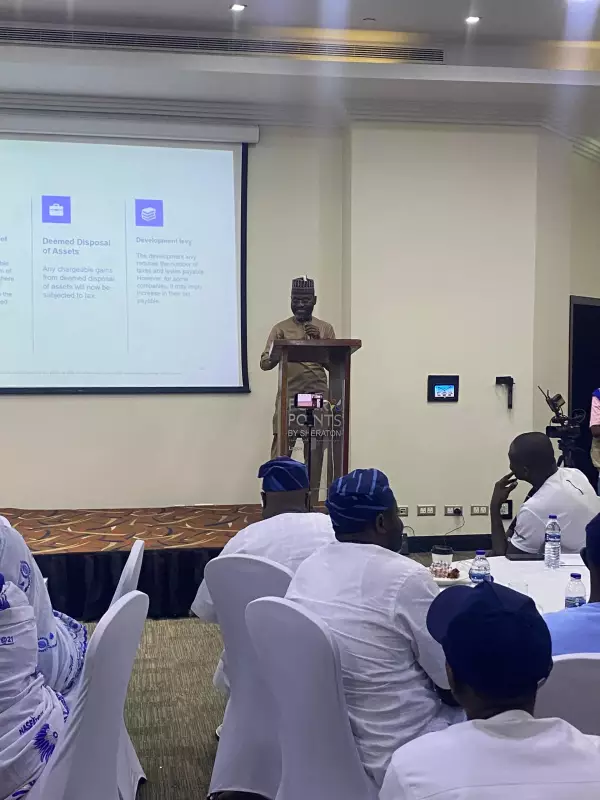
The Nasrul-Lahi-L-Fatih Society (NASFAT) has called on Nigerians to move beyond debates and actively understand the nation's new tax legislation, framing it as a critical instrument for achieving economic growth, fairness, and national development. This clarion call was central to the discussions at the NASFAT Business Breakfast Summit 2.0, held on Friday, January 10, 2026, at the Four Points by Sheraton on Victoria Island, Lagos.
Simplifying a Complex System for National Progress
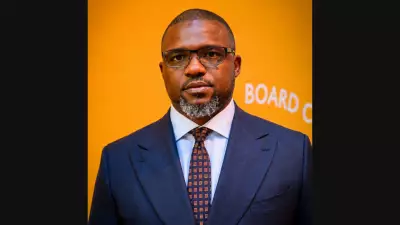
Addressing professionals, business leaders, and policymakers at the event themed “The Levies, the Levers and the Believers,” keynote speaker Ayo Salami provided a detailed breakdown of the reforms. Salami, who is Partner and Head of Energy and Natural Resources Group at KPMG Nigeria, explained that the new tax framework, passed in June 2025, was designed to overhaul Nigeria's historically complex and inefficient tax system.
He acknowledged public confusion but stressed the reforms were necessary. “The new tax law is really about clarity, fairness and sustainability,” Salami stated. He highlighted that the law eliminates the practice of multiple taxation on the same income, creating a more transparent environment for businesses.

The expert outlined that the new structure rests on four major legislations:
- The Nigerian Tax Act
- The Nigerian Revenue Service Establishment Act
- The Nigerian Tax Administration Act
- The Joint Revenue Board Establishment Act
According to Salami, these laws unify tax collection under a single, coordinated framework. This system replaces the former Federal Inland Revenue Service (FIRS) with the Nigerian Revenue Service (NRS), which now oversees all federally collectible revenues. The law also introduces measures to ensure multinational corporations pay their fair share in Nigeria while promoting a shift towards value-added tax over heavy direct taxation.
Faith, Finance, and Forward-Thinking Leadership
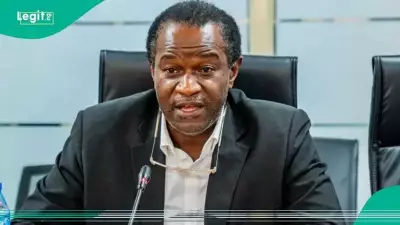
The second keynote address, delivered by Olawale Azeez, Regional Business Executive at Alternative Bank, explored the intersection of faith and finance. He spoke on Shariah-compliant investment and wealth creation, demonstrating how ethical financial principles can drive inclusive economic growth that benefits a broader segment of society.
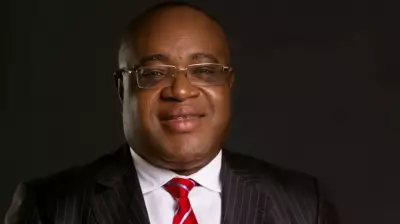
In his welcome address, NASFAT President, Alhaji Ayodeji Abdulwahid Abdulrauf, positioned the summit as a vital bridge between faith, policy, and economic reality. He interpreted the theme, explaining that “levies” represent national resources, “levers” are the skills and leadership needed to manage them, and “believers” are the citizens who sustain the system.
“Nigeria is not short of resources,” Alhaji Abdulrauf asserted. “The challenge lies in collection, management and applying them for real impact.” He went on to highlight NASFAT's commitment to development through projects like Fountain University, a proposed world-class hospital, skills acquisition centres, and social welfare initiatives, calling for partnerships to scale these efforts.
A Call for Transformational Change
The summit concluded with a powerful emphasis on governance and accountability. The NASFAT President stressed that for Nigeria to truly advance in 2026, competence must become the primary lever for economic movement. He issued a definitive statement on the required leadership style: “If Nigeria must grow, leadership must be transformational, not ceremonial.”
The event served as a platform to demystify the 2025 tax reforms and encourage constructive public engagement based on facts. It successfully linked fiscal policy with ethical faith-based principles, presenting a holistic view of how national development can be achieved through transparent systems, responsible leadership, and active citizen participation.