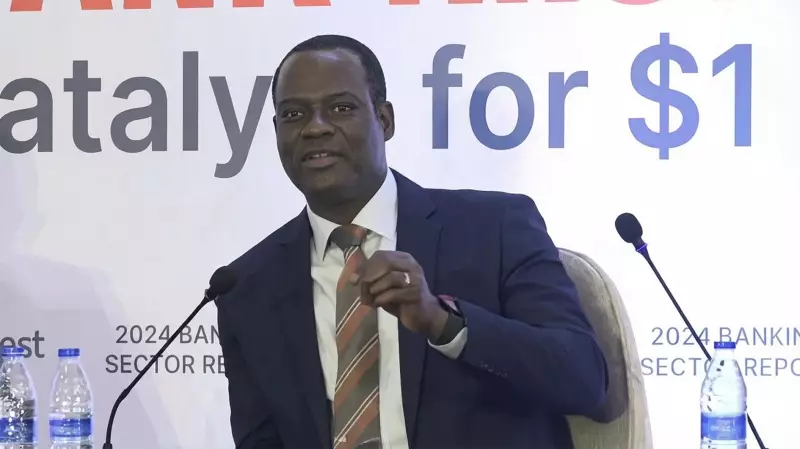
The Chairman of the Presidential Fiscal Policy and Tax Reforms Committee, Taiwo Oyedele, and the Nigeria Civil Aviation Authority (NCAA) have strongly disputed recent claims made by Air Peace CEO, Allen Onyema. They argue that the newly introduced tax laws are designed to support, not cripple, Nigeria's struggling aviation sector.
Onyema's Dire Warning and Government's Rebuttal
Allen Onyema, during an interview on Arise Television on Sunday, December 29, issued a stark warning. He stated that domestic airlines could be forced to shut down within months if the scheduled tax reforms, set to take effect from January 1, 2026, are implemented without review. Onyema blamed high ticket prices on multiple taxes, suggesting that a 7.5 per cent Value Added Tax (VAT) on tickets could push economy class fares as high as N1.7 million.
However, in a swift response via a statement on X, Taiwo Oyedele countered these assertions. He acknowledged the genuine difficulties airlines face but insisted the new tax regime was crafted to resolve long-standing fiscal challenges. "The reforms will instead reduce costs and support airline operations," Oyedele stated, clarifying that the new laws should not be blamed for rising airfares or fears of an industry collapse.

Key Relief: Removal of Withholding Tax on Aircraft Leases
Oyedele highlighted a major relief provision in the new laws. He pointed out the removal of the 10 per cent withholding tax on aircraft leases, which had significantly increased operating costs for carriers. He explained that this previously non-recoverable tax has been replaced with a rate to be determined by regulation, opening the door for a possible full exemption or a substantial reduction. This move, according to him, is a direct effort to ease the financial burden on airlines.
The tax chief also noted that government engagements with airline operators are ongoing, with the aim of addressing their concerns and fine-tuning the implementation process.
NCAA Challenges Narrative on Airfare Hikes
Adding to the government's position, the NCAA also rejected the narrative linking high domestic airfares to excessive taxation. In a separate post on X, the Director of Public Affairs and Consumer Protection at NCAA, Michael Achimugu, said the claims circulating in the media did not match the findings from the authority's direct engagements with airline operators.
"While the NCAA does not regulate airfares, I have invited all the domestic airlines, bar none, and asked them about these taxes they keep talking about on TV, and they all admitted to not paying the volume of taxes being bandied around," Achimugu stated.
He further questioned the consistency of the allegations, noting a critical point: there was no increase in taxes or jet fuel prices during the period in December when airfares peaked. This observation challenges the direct causality between taxes and the seasonal fare surge.
Implications and the Path Forward
The public disagreement highlights the tense atmosphere surrounding Nigeria's aviation industry and the government's broader fiscal reform agenda. While airline operators like Onyema point to a heavy tax burden as a primary threat to survival, regulatory bodies and the tax committee are presenting the reforms as a necessary remedy for systemic issues.
The coming weeks, leading to the January 1 implementation date, will be crucial. The outcome of the ongoing dialogues between the government and airline stakeholders will determine whether the new tax laws are perceived as a lifeline or a further strain on Nigeria's vital aviation sector.