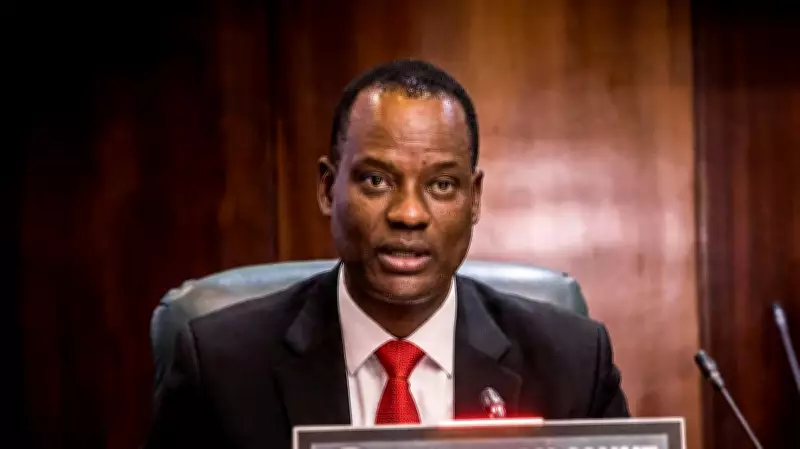
Tax Reform Committee Denies Oyedele Admitted Errors in New Laws, Reports Gains
The Presidential Fiscal Policy and Tax Reforms Committee has firmly dismissed media reports claiming that Minister of State for Finance, Taiwo Oyedele, admitted to errors in Nigeria's new tax laws, labeling such reports as misleading and inaccurate. This rebuttal comes as the Federal Government reports significant early successes from its tax reforms, including a sharp increase in business registrations and a major expansion in the number of Nigerians captured within the tax system.
Committee Addresses Misleading Reports
In a statement posted on Oyedele's X account on Saturday, the committee addressed publications that alleged the tax official acknowledged flaws in the tax framework, stating that these were misrepresentations of his remarks. The committee also denied that Oyedele urged Nigerians to await the outcome of a legislative probe, clarifying that the process had been completed and the gazetted copies certified by the National Assembly had been published since January 2026.
The controversy stemmed from Oyedele's appearance at the 2026 Annual Conference of the Nigerian Bar Association Section on Legal Practice, where he discussed the rationale behind the tax reforms. Subsequent reports suggested he had admitted errors in the laws and indicated that a finance bill would be used to correct them.

Clarification on Law-Making Process
The committee acknowledged that some discrepancies arose during the law-making process, which involved manual procedures and multiple review stages, but emphasized that this was distinct from errors in the laws themselves. It described any contrary interpretation as unhelpful and potentially damaging to public understanding of the reforms.
Progress and Achievements of Tax Reforms
On the progress recorded, the committee highlighted that the number of persons in the tax net had grown from under 10 million to over 100 million, with thousands of informal businesses now seeking registration daily. It attributed these gains to key measures such as exemptions for small companies, higher income thresholds for low earners, and the zero-rating of essential goods, including food, healthcare, education, transport, and rent.
The reforms, signed into law by President Bola Tinubu in June 2025, also established a Tax Ombud to protect taxpayer rights. Additionally, a presumptive tax regime targeting Micro, Small and Medium Enterprises (MSMEs) was introduced in March 2026 to further broaden the tax base.
Standard Legislative Updates
The committee noted that legislative updates through finance bills are a standard part of any reform process and should not be interpreted as evidence of fundamental defects in the laws. This clarification aims to reinforce the integrity and effectiveness of the ongoing tax reforms in Nigeria.