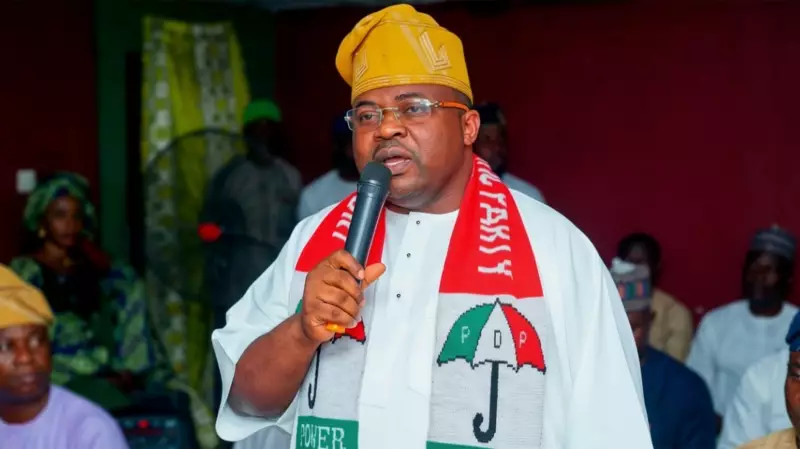
The President of the All Youths Reoriented Initiative of Nigeria (AYRIN), Ambassador Olufemi Ajadi Oguntoyinbo, has issued a strong call to the Federal Government. He demands a clear explanation of the benefits Nigerians will receive from newly introduced tax measures. Ajadi warned that persistent taxation without visible economic improvement risks pushing citizens deeper into poverty.
A Call for Tax Justice and Development
In a statement released on Monday, Ajadi criticized what he termed a growing pattern of revenue collection without matching investment in critical areas. He highlighted the lack of sufficient spending on infrastructure, security, and programs for economic empowerment.
"You cannot keep obtaining from Nigerians without first making the country conducive for economic activities to thrive," Ajadi stated. He emphasized that "Taxation should be a tool for development, not punishment."

He expressed serious worry about the combined financial pressure on citizens, especially workers and owners of small businesses. Ajadi pointed out that banks are already taking charges from personal savings, while inflation continues to reduce the value of people's money.
"Banks have been deducting money from Nigerians’ personal savings. What else do you want from the people by imposing a new tax law that also affects individual savings?" he questioned.
According to him, Nigerians are still struggling with existing deductions like the 7.5 per cent Value Added Tax (VAT) and other official levies. He argued that introducing a new tax regime at this time shows a lack of economic sensitivity.
"We already have an established personal income tax structure. Nigerians deserve to know how this new tax will benefit them. Don’t tell us only how to collect taxes—tell us how Nigerians will benefit," Ajadi stressed.
Questioning Subsidy Removal and Demanding Accountability
The AYRIN leader also criticized the government's handling of the fuel subsidy removal. He argued that the public has not seen any concrete benefits from the policy so far.
"The subsidy money that was removed—where is the impact? Nigerians have not seen improvements in infrastructure, transportation, healthcare, or education," he said.
Ajadi cautioned that rolling out new taxes without showing accountability for previous economic sacrifices could destroy public trust in the government. To promote better governance, he urged the National Assembly to begin a constitutional amendment.
He specifically called for the removal of presidential immunity starting from the next administration in 2027. "From the next administration, the president should no longer enjoy immunity," he declared. "No one should be above the law in a democracy." He believes this step would encourage accountability, transparency, and responsible leadership.
Security Policies and Road Safety Concerns
Ajadi also addressed security and safety issues. He condemned the withdrawal of security personnel from VIP convoys, calling the policy dangerous and poorly planned. He referred to a recent incident involving boxing champion Anthony Joshua, whose vehicle was in an accident allegedly due to the absence of a security pilot car.
"If a security van had been leading the convoy, the accident could have been averted," Ajadi said. "This policy has exposed both VIPs and ordinary Nigerians to increased risk up to date."
Furthermore, he questioned the focus of road safety agencies like the FRSC and VIO. He noted that while these bodies check vehicles for roadworthiness, they pay little attention to the terrible state of the roads themselves.
"FRSC and VIO ensure vehicle worthiness, but who certifies that our roads are worthy to be used?" he asked. Ajadi argued that potholes, poor maintenance, and abandoned highway projects are major causes of accidents nationwide.
In his final warning, Ajadi listed the potential dire consequences of ill-timed tax policies:

- Reduced household savings
- Increased prices for goods and services
- Business closures and job losses
- Higher levels of poverty
"Tax policies that do not consider the realities of the people will only deepen hardship," he concluded. "The government must prioritise economic stability, security, and infrastructure before imposing additional financial burdens." He urged the FG to engage in transparent dialogue with citizens and ensure that every tax naira translates into visible development.