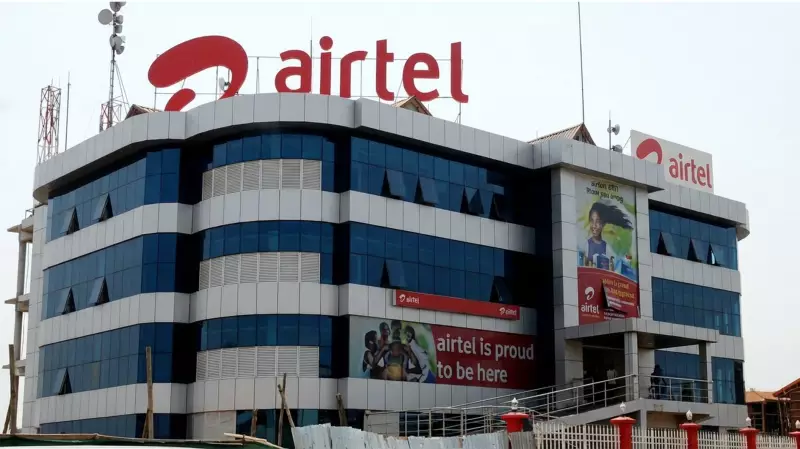
Airtel Africa has forged a landmark partnership with SpaceX's Starlink to deploy satellite-powered mobile connectivity across its 14 African markets, with Nigeria set to be a key beneficiary. The collaboration aims to deliver service to regions where building traditional mobile network infrastructure is challenging or economically unviable.
How Direct-to-Cell Technology Will Work
The core of this initiative is Starlink's Direct-to-Cell technology. This innovation enables standard smartphones to connect directly to satellites orbiting the Earth, bypassing the need for ground-based cell towers. For consumers in remote villages, farms, or while traveling, this means the potential for connectivity in locations previously considered dead zones.
Airtel Africa's Chief Executive Officer, Sunil Taldar, emphasized that this satellite network is designed to complement, not replace, existing terrestrial infrastructure. "We are very excited about the collaboration with Starlink, which will establish a new standard for service availability across all our 14 markets," Taldar stated. The company serves approximately 174 million customers in Africa and is now the continent's first mobile operator to deploy this specific Starlink service.

Phased Rollout Starting with Messaging
The service is scheduled to begin operations in 2026. The initial phase will focus on enabling text messaging and providing limited data connectivity for select applications. This first step is crucial for basic communication and emergency alerts in underserved communities.
A subsequent, more advanced phase promises a significant leap in capability. Pending regulatory approvals in each country, next-generation satellites will be deployed to offer high-speed broadband. Airtel indicates this future service could deliver data speeds up to 20 times faster than the initial offering, revolutionizing internet access in rural Nigeria.
Bridging Nigeria's Digital Divide
The primary goal of the partnership is to dramatically reduce the digital divide. By providing reliable connectivity in rural and underserved areas, the service aims to unlock economic and social opportunities for millions. Stephanie Bednarek, Starlink's Vice President of Sales, highlighted the transformative potential: "For the first time, people across Africa will stay connected in remote areas where terrestrial coverage cannot reach... Through this agreement with Airtel Africa, we'll also deliver our next-generation technology to offer high-speed broadband connectivity, which will provide faster access to essential services."
Starlink's Direct-to-Cell service is not entirely untested; it is already operational in regions of the United States and Ukraine, supporting messaging and emergency alerts. Its expansion into Nigeria marks one of the service's first forays into the African continent, positioning the nation at the forefront of adopting satellite technology for inclusive mobile communications and broadband access.