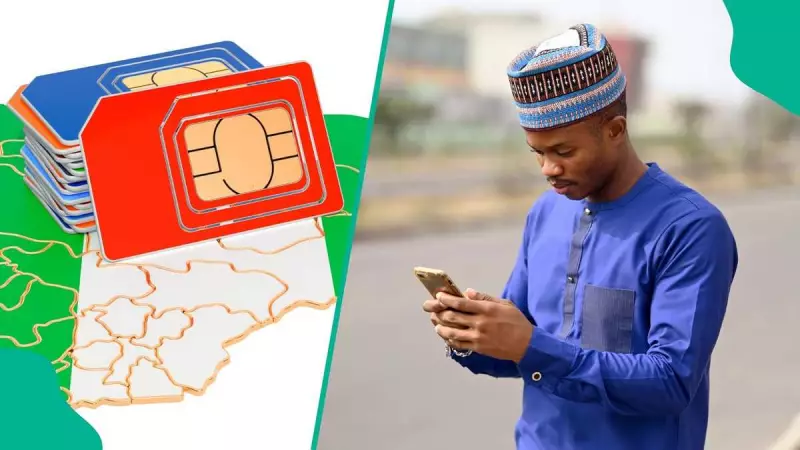
In a significant move for consumer rights, the Nigerian Communications Commission (NCC) has announced that mobile network operators and commercial banks have collectively refunded more than N10 billion to subscribers for failed airtime and data purchases.
Joint Regulatory Framework Drives Massive Refunds
The disclosure was made by the NCC's Director of Consumer Affairs, Mrs Freda Bruce-Bennett. She explained that the refunds were facilitated by a new framework jointly developed by the NCC and the Central Bank of Nigeria (CBN).
This initiative directly addresses one of the top three complaints received by the telecoms regulator. Mrs Bruce-Bennett emphasised the commission's commitment to prioritising consumer protection within the telecommunications sector.

Central Dashboard for Real-Time Monitoring and Swift Refunds
A key component of the new system is a Central Monitoring Dashboard, which will be hosted by both the NCC and the CBN. This dashboard is designed to track failed transactions in real time, identify the responsible parties, confirm when refunds are made, and monitor any breaches of agreed service timelines.
Nnenna Ukoha, Head of Public Affairs at the NCC, assured subscribers that the commission possesses comprehensive data on all failed airtime and data purchases. She confirmed that once the framework is fully operational, all unresolved cases will be addressed.
How the New System Will Work for Subscribers
The framework introduces strict new rules to protect consumers. Most notably, subscribers who are debited without receiving their airtime or data are entitled to an automatic refund within 30 seconds. In cases where a transaction is pending, the refund process may take up to 24 hours.
Other protections include:
- Mandatory SMS notifications for the success or failure of every transaction.
- Coverage for issues like incorrect recharges, transactions sent to wrong numbers, and errors involving ported phone lines.
- Enforceable Service Level Agreements (SLAs) that clearly define the responsibilities of banks and telecom operators.
The framework is the result of extensive consultations involving the NCC, CBN, mobile network operators (MNOs), banks, value-added service providers, and other industry stakeholders.
Full Implementation Set for March 2026
Mrs Bruce-Bennett stated that the full implementation of the framework is scheduled to begin on March 1, 2026. This start date is pending final management approvals from both regulators and the completion of technical integration by all participating parties.
The NCC director expressed appreciation for the collaboration of all stakeholders, particularly the Central Bank of Nigeria, in developing this unified approach to resolve a long-standing consumer complaint.
This development follows earlier reports of the CBN and NCC collaborating to create a single industry-wide short code, allowing consumers to contact their banks without an internet connection, further highlighting the ongoing partnership between Nigeria's financial and telecommunications regulators.