Global Smartphone Shipments Decline Amid AI and Geopolitical Pressures
Preliminary data from Counterpoint Research's Market Monitor reveals a significant downturn in the global smartphone market, with shipments falling six per cent year-on-year in the first quarter of 2026. This decline is primarily attributed to a tightening supply of essential memory components, such as DRAM and NAND, as major manufacturers increasingly prioritise high-margin AI server chips over consumer electronics. The ongoing instability in the Middle East has further exacerbated the situation, driving up energy and logistics costs while undermining consumer confidence worldwide.
Zinox Technologies Calls for Localised Solutions
In response to this crisis, Zinox Technologies has rallied industry stakeholders to support local operators, emphasising the urgent need for domestic production capabilities. The firm warns that the current global instability serves as a final warning, asserting that nations capable of producing what they consume will be best positioned to withstand future shocks. Zinox advocates for a roadmap towards local transformation, stressing that Nigeria must shift from global shopping to homegrown building to navigate an increasingly unpredictable 2026.
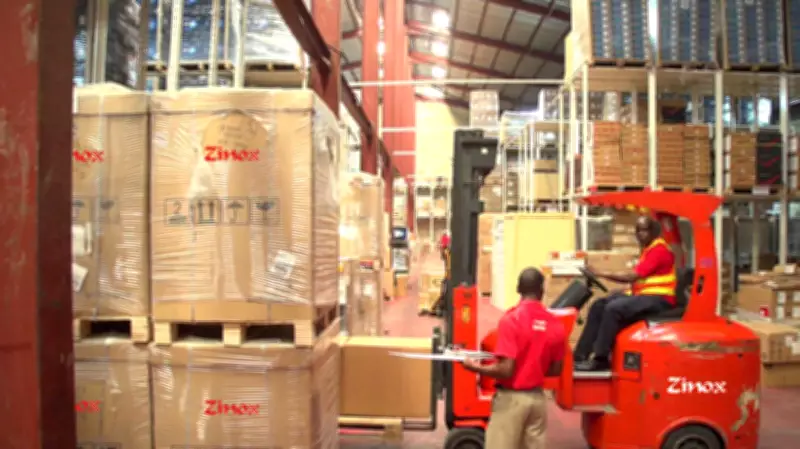
Zinox highlights its own contributions, including the region's only computerised digital assembly plant, which has operated for over two decades to demonstrate the viability of "Made in Nigeria" as an economic strategy. Through brands like iPower, which offers renewable energy solutions, and iTEC, focused on electronics, the company addresses Nigeria's chronic power deficit with tailored solar innovations. Every locally assembled device, Zinox notes, reduces pressure on foreign exchange reserves and helps protect the Naira from the detrimental effects of import-driven inflation.

Broader Industry and Economic Impacts
The decline in smartphone shipments has prompted Original Equipment Manufacturers (OEMs) to implement cost-cutting measures, including reduced production, postponed product launches, and more conservative pricing strategies. Consumers, grappling with economic uncertainty, have curtailed discretionary spending, further dampening market demand. Although some manufacturers attempted to mitigate disruptions by front-loading shipments, these efforts proved insufficient to counter the overall downturn.
Shilpi Jain, a Senior Analyst at Counterpoint Research, commented on the situation, stating, "The drop in shipments is largely due to memory suppliers prioritising AI data centres over consumer electronics. This has squeezed margins for OEMs, forcing them to pass higher component costs to consumers, while broader economic uncertainty continues to weigh on demand."
Beyond manufacturing, Zinox has fostered an extensive ecosystem encompassing logistics, maintenance, and technical services, creating thousands of jobs and transferring critical technical knowledge to the Nigerian workforce. This holistic approach underscores the company's commitment to sustainable economic development and resilience in the face of global challenges.