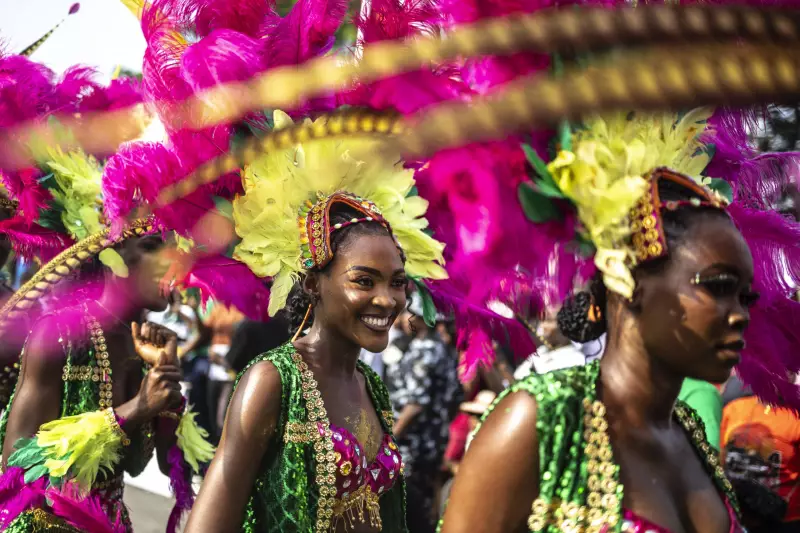
The 20th edition of Nigeria's premier street festival, the Carnival Calabar, commenced in spectacular fashion over the past weekend in Calabar, the capital of Cross River State. This landmark anniversary celebration saw all 36 states of the federation participating, transforming the city into a vibrant canvas of the nation's rich cultural tapestry.
A Grand Parade of Unity and Heritage
Marking two decades since its inception in 2005, the carnival's opening was a powerful display of national unity. The cultural parade, which officially launched the event, started at Millennium Park. Here, the 18 local government areas of Cross River State proudly presented their unique traditions through elaborate costumes, traditional music, dynamic dances, and displays of local agricultural produce. Thousands of spectators lined the streets to witness this immersive showcase of heritage.
The state government intentionally selected 'Traces of Time' as the theme for the 2025 edition. This theme encourages reflection on the carnival's evolution and its lasting impact on Nigerian culture and tourism over the past twenty years.

More Than a Party: A Living Archive
Tourism expert and organizer of the AKWAABA African Travel Market, Ikechi Uko, emphasized the event's profound significance. He described the carnival not just as a celebration of two decades of artistic expression and mass participation, but as a living archive of history, heritage, and communal pride.
Uko addressed critics who claim the carnival erodes tradition, explaining the important distinction between culture and tradition. "Your culture is who you are now. Afrobeat is our culture, and that is who we are today," he stated. He clarified that the opening cultural procession represents inherited traditions, while the main street carnival on December 29 showcases modern creativity, arguing the event amplifies rather than destroys cultural identity.
The sentiment was echoed by participant Nkoyo Eshiet, who is in her 60s. Fulfilling a long-held dream to witness the carnival, she called it "more than a cultural display" and appealed to the government to sustain and expand this important legacy.
Economic Impact and Festival Attractions
The carnival's status as Nigeria's biggest street festival is bolstered by its significant economic footprint. The 2024 edition, themed 'Our Shared Prosperity,' provided a clear indicator. A report from the Cross River State Tourism Bureau (CRSTB) revealed that the Margaret Ekpo International Airport welcomed over 10,000 inbound passengers between November 1 and December 29, 2024—a notable increase from 7,452 in the same period in 2023.
An estimated 150,000 visitors entered Calabar in December 2024 via road, air, and sea. These visitors spent approximately N8.875 billion on transportation alone, representing a 42% surge in visitor numbers compared to the previous year. The data showed that 79% of visitors came from within Nigeria, while 3% were from the diaspora, primarily for leisure and carnival activities.
Beyond the grand parade, the 2025 carnival features a packed schedule of major attractions including the Christmas tree lighting ceremony, dry runs, the Calabar food festival, live music performances, fashion showcases, and various sports competitions.