6 Nigerian Foods That Can Get You in Trouble at U.S. Airports
Many Nigerian foods are not allowed into the United States and may be seized at the airport. If you are traveling from Nigeria to the U.S., one of the biggest surprises at the airport is not getting stranded or missing your flight—it is the U.S. Customs and Border Protection (CBP) removing your favorite food items from your luggage. Popular Nigerian foods such as smoked meats, fresh leafy greens, and dried beef products are frequently confiscated at international airports. This guide provides a comprehensive list of what you cannot pack before traveling.
The U.S. Customs and Border Protection (CBP) enforces strict regulations to protect Americans from animal diseases, plant pests, and food contamination risks. Many popular Nigerian foods are either strictly banned or heavily restricted from entering the U.S. Here is a full list of Nigerian foods that are commonly seized, why they are restricted, and what you should know before packing your bag.
1. Bushmeat (Completely Banned)
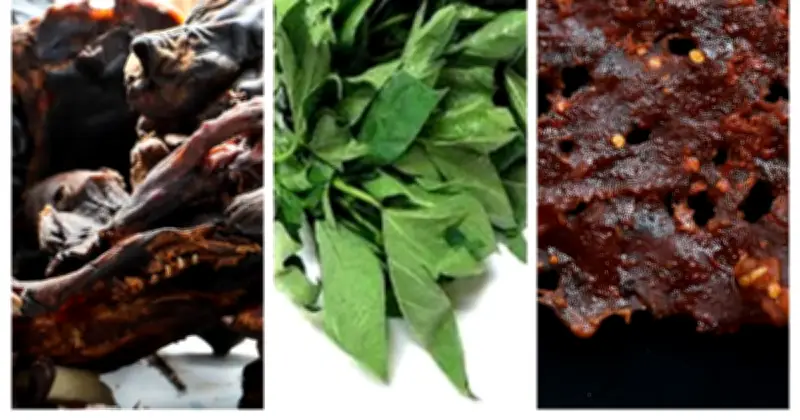
Smoked bushmeat is strictly prohibited from entering the United States under federal law due to severe public health risks and conservation regulations. Bushmeat refers to meat from wild animals such as rodents, antelope, monkeys, bats, and other wild game commonly consumed in some parts of Africa. This category is 100 percent prohibited in the United States. Authorities warn that bushmeat can carry dangerous diseases that may spread to humans. Smoked or dried wild game meat, frozen bushmeat, and any product made from wild animals are automatically seized and destroyed at entry points.

2. Meat Products (Very Strict Restrictions)
Traditional Nigerian Kilishi, a seasoned beef jerky delicacy, is heavily restricted by U.S. Customs due to strict regulations on foreign meat imports. Fresh, dried, smoked, or processed meat products are generally restricted unless they meet strict USDA requirements. Common Nigerian foods affected include: Kilishi (beef jerky-style meat), Suya (especially packaged or pre-cooked versions), Stockfish or dried fish with additives, Meat pies containing beef or chicken fillings, and Seasoning cubes made with animal fat or meat extracts. Many meat and animal by-products are restricted due to risks of livestock diseases like foot-and-mouth disease and mad cow disease. Even canned or packaged versions may be confiscated if they contain meat ingredients.
3. Soups, Stews, and Seasoning Mixes Containing Meat
Processed foods containing meat are also restricted. This includes: Instant soup mixes with beef or chicken flavor, Bouillon cubes made from animal fat, Jollof rice seasoning packets with meat extract, and Pepper soup spices with dried animal ingredients. These soup mixes can be prohibited if they contain meat ingredients.
4. Dairy Products (Restricted or Conditional)
Dairy items are also tightly controlled. Some Nigerian dairy-based foods may be restricted depending on processing and packaging. Examples include: Powdered milk (usually allowed but may be inspected), Unpackaged or homemade dairy items (not allowed), and Fermented milk products (often restricted). The concern is contamination and the spread of animal diseases through raw dairy.
5. Fruits, Vegetables, and Seeds (Mostly Not Allowed)
CBP generally prohibits most fresh fruits, vegetables, and plant materials unless they are declared and pass inspection. Common Nigerian items affected include: Fresh peppers (ata rodo), Garden eggs (eggplants), Bitter leaf and other leafy vegetables, Unprocessed seeds (melon seeds, ugu seeds), Fresh cassava or yam tubers. Dried or packaged versions may still be inspected or rejected depending on origin and treatment.
6. Palm Oil and Some Agricultural Products (Restricted in Certain Forms)
While commercially processed palm oil is often allowed, homemade or improperly labeled versions can raise issues. The same applies to: Unregulated herbal food items, Traditional spices in raw or unpackaged form, and Agricultural products without proper labeling. CBP focuses heavily on preventing plant pests that can damage U.S. agriculture.

What You Should Expect at the Airport
When arriving in the U.S., you must declare all food items. CBP officers may inspect or confiscate items. Failure to declare can result in fines or penalties. Even allowed foods can still be taken for inspection. Declaring does not automatically mean confiscation, but failing to declare often leads to problems.
Why Some Nigerian Foods Are Not Allowed in the U.S.
The U.S. enforces strict import laws through agencies like CBP and USDA to prevent the spread of diseases such as foot-and-mouth disease, African swine fever, and plant pests that can destroy crops and livestock. According to CBP regulations, meat products, animal by-products, and certain plant foods from abroad are either prohibited or require permits and inspection. Even small amounts of food in your suitcase can be confiscated if they fall under restricted categories.