7 Places on Earth Where It Has Never Rained: Discover the Driest Locations
Imagine living your entire life without experiencing a single drop of rain. While this may sound like a fantasy, there are actual places on Earth where rainfall is so rare that some locations have gone decades or even centuries without precipitation. These are not myths but real, fascinating environments shaped by unique weather patterns and geographical features.
1. Atacama Desert (Chile)
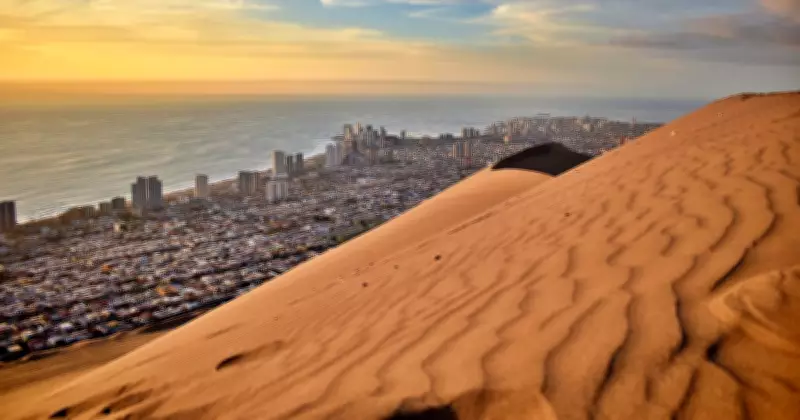
If there were a gold medal for the driest spot on the planet, the Atacama Desert would undoubtedly win it. Located along the Pacific coast of Chile, this region holds the title of the driest non-polar place on Earth. It is so incredibly parched that some weather stations have never recorded a single drop of rain throughout their years of operation.
Why is it so dry? First, the cold Humboldt Currents cool the air to such an extent that cloud formation is nearly impossible. Additionally, the massive Andes Mountains act as a giant wall, blocking moisture from creeping in from the east. On top of that, constant high atmospheric pressure keeps the skies consistently clear.

2. McMurdo Dry Valleys (Antarctica)
While Antarctica is often imagined as a land of endless snow, the McMurdo Dry Valleys are actually a frozen desert. This area is one of the most extreme environments on the planet, with almost zero precipitation—not even snow falls here.
The intense dryness occurs because the surrounding mountains act as a massive barrier, blocking any incoming ice or snow. Incredibly strong winds also evaporate what little moisture remains before it can settle. Due to the cold, dry, and alien conditions, scientists use these valleys as a Mars simulation site, making it one of the closest experiences to visiting another planet on Earth.
3. Arica (Chile)
Arica, Chile, has earned the title of the driest city in the world, primarily because it sits on the edge of the Atacama Desert. The rainfall situation here is truly extreme, with the city typically seeing only about 1 mm of rain or less annually. Leaving a bowl out all year would collect too little rain to even wet the bottom.
Residents survive by relying on underground water sources and capturing moisture directly from coastal fog, which provides essential hydration without actual rainfall.
4. Wadi Halfa (Sudan)
If you are looking for one of the driest places in Africa where people still live, you have found it in Wadi Halfa. This town is located near the border with Egypt, deep inside the Sahara Desert, and often goes for years without seeing any rain at all.
The combination of being in the middle of the world's largest hot desert and experiencing scorching, extremely high temperatures means that any slight bit of moisture that might appear is quickly evaporated, making survival a constant challenge.
5. Iquique (Chile)
It is no coincidence that yet another Chilean city, Iquique, has made this list. Its location is sandwiched between the Pacific Ocean and the incredibly dry Atacama Desert, creating the perfect environment for extreme dryness.
Here is a fascinating fact about how they survive: instead of rain, Iquique is frequently blanketed by camanchaca, a thick coastal fog that provides the necessary moisture without a single drop of actual rainfall.
6. Luxor (Egypt)
Luxor, Egypt, is famous worldwide for its incredible ancient temples and tombs, but it is also one of the driest cities on the planet. The weather is consistently hot, sunny, and bone-dry, which is precisely what is needed to preserve ancient monuments like those in the Valley of the Kings for centuries.
In fact, rain is such a rare occurrence here that when it does manage to fall, it often becomes a major disruption to daily life, highlighting just how accustomed residents are to arid conditions.
7. Aoulef (Algeria)
Aoulef, Algeria, is a small town in the Saharan desert where rain is practically unheard of. It is noteworthy not only because it receives extremely little annual rainfall but also due to the incredibly high evaporation rates, meaning any tiny bit of moisture that appears barely lasts.

It is hard to imagine life without rain, especially in places like Nigeria, where sudden downpours are part of everyday life. However, across the globe, there are regions where rain is not just rare—it is practically nonexistent. Yet, life still finds a way to adapt, showcasing the resilience of both nature and human ingenuity in the face of extreme environmental challenges.