From European Paradise to African Luxury Haven
The coastal village of Assinie in southeastern Ivory Coast has undergone a remarkable transformation that tells the story of modern West African luxury. Where European holidaymakers once dominated the pristine beaches, today's landscape is shaped by the preferences of Ivory Coast's wealthy elite and international power players.
Located approximately 90 kilometres east of Abidjan near the Ghanaian border, Assinie's journey from international tourist destination to exclusive enclave reflects broader changes in Ivorian society and economy.
The Golden Era of European Tourism
Local residents still remember the days when Club Med operated at full capacity, providing numerous employment opportunities for the community. European visitors flocked to what was then considered a tropical paradise featuring endless white sandy beaches and crystal-clear waters.

The resort's international fame was cemented when it served as the filming location for the 1978 French comedy classic "Les Bronzes" (known internationally as "French Fried Vacation"). The film's satirical take on resort vacations brought additional attention to Assinie's charms, which were later celebrated in song by reggae legend Alpha Blondy in 2010.
"Everything here was white. You had to really search to find a black person," recalls Pierre Ake, a local resident from a nearby hamlet, reflecting on the exclusively European clientele that once dominated the area.
Political Turmoil and Transformation
The turning point came in the early 2000s when deadly political unrest swept through Ivory Coast, driving away the European tourists who had been the lifeblood of Assinie's economy. What seemed like a disaster at the time ultimately paved the way for a new identity.
As foreign tourism declined, Ivory Coast's affluent classes discovered the area's potential. They began developing the kilometers of coastline and lagoon areas shaded by coconut trees, creating what would become known as the Ivorian Riviera.
The Rise of West Africa's Beverly Hills
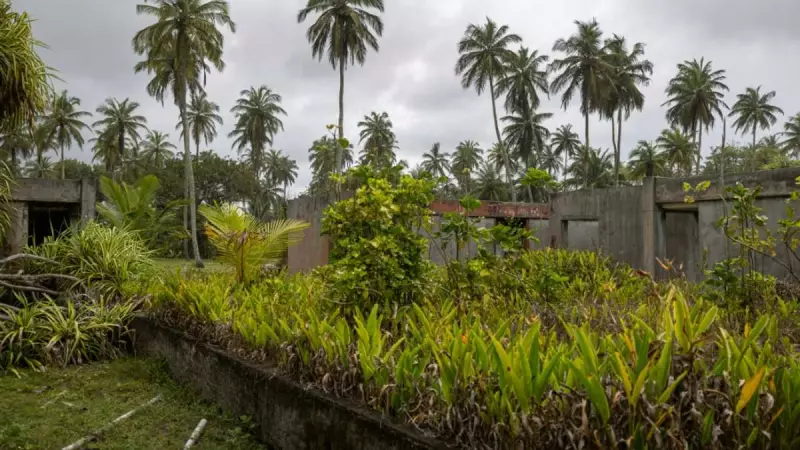
Today, Assinie presents a dramatically different picture. Where the old Club Med now stands in ruins with stagnant swimming pools and leaky roofs, a new luxury landscape has emerged. Opulent villas hidden behind high walls, imposing constructions underway, and discreet high-end hotels now line the shore.
Local tour guide Pierre Ake gestures toward properties overlooking the lagoon that now attract Abidjan's wealthiest residents. The few remaining empty plots are guarded, indicating their extraordinary per-square-meter value. Waterfront villas routinely command prices approaching one million euros, while rentals with private pools can cost 1,000 euros per night.
"Assinie is the Saint Tropez of West Africa. Or Beverly Hills, if you prefer," states local councillor Maxwell Kouassi, echoing the area's new reputation.
The resort now counts among its residents football legends Didier Drogba and Samuel Eto'o, while President Alassane Ouattara maintains a weekend estate concealed within a dense palm grove. From his boat on the lagoon, Pierre Ake points out properties belonging to top politicians, sports officials, and business leaders.
Economic Impact and Local Perspectives
While wealth flows through Assinie in unprecedented amounts, local officials express concern about how little trickles down to village communities. "There's loads of money, billions," acknowledges Councillor Kouassi, while noting that more modest visitors still vacation in the area.
The recent completion of a highway connecting Assinie to Abidjan has accelerated development and increased accessibility. "Assinie is an area of the future, and we have big plans," Kouassi adds, highlighting the region's natural advantages of sea, lagoon, and pristine nature.
Laurent Kouame Anoh, chief elder of Assouinde village at the lagoon's far end, observes that "everyone wants a house here." While some young locals find employment in hotels and villas, the transformation from thatched huts and bamboo houses to luxury constructions has been rapid over the past 15 years.

Jean-Claude, a vendor of African crafts, offers a more sober perspective: "The tourists have been replaced by the powerful. The poor like us don't interest them." This sentiment reflects the complex social dynamics of an area that has successfully reinvented itself but continues to grapple with questions of inclusive development.
Even recreational activities have evolved to suit the new clientele. Quad biking on beaches has been banned by prefectural decree after it "annoyed the president," with vacationers now opting for jet skiing on the lagoon instead.