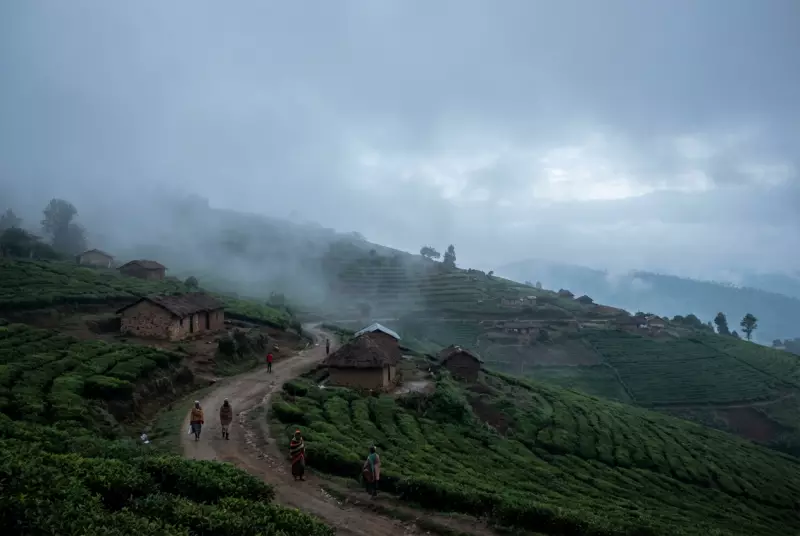
Forget what you think you know about Nigeria's weather. Beyond the sweltering heat that defines much of the nation, there exist pockets of genuinely cool climate, shaped not by latitude but by altitude. After extensive research and firsthand travel, the answer is clear: Plateau State stands as Nigeria's coldest state, a title earned through consistent, year-round temperate conditions that defy the country's tropical reputation.
Why Plateau State Claims the Title
The heart of this cool phenomenon is Jos, the state capital, perched approximately 1,200 metres above sea level on the Jos Plateau. Here, average temperatures hover between a pleasant 22°C and 24°C throughout the year. This is a stark contrast to Nigeria's national average of around 27°C. The science is straightforward: temperature drops by roughly 6.5°C for every 1,000 metres of elevation gain. This geographical advantage gives Jos a permanent 7-8°C edge over coastal cities like Lagos at similar latitudes.
This isn't just a seasonal quirk. While northern states bake and southern states stew in humidity, Plateau State maintains its refreshing coolness. The Nigerian Meteorological Agency's data consistently ranks it lowest for average annual temperatures. During the harmattan season, typically from December to February, the chill becomes pronounced. Morning temperatures in Jos can plummet to between 12°C and 15°C, with residents reaching for jumpers and vendors selling hot beverages becoming a common sight—a scene unfamiliar in most parts of the country.

The Runners-Up and Record Holders
While Plateau State is the coldest overall, the prize for the single coldest location goes to the Mambilla Plateau in Taraba State. Sitting even higher at about 1,600 metres, this area experiences temperatures that can occasionally dip below 10°C during peak harmattan. Farmers there are known to wear jackets in June, and there are rare reports of morning frost. However, this extreme cold is confined to a specific highland area, whereas the cool climate blankets much of Plateau State, affecting millions daily.
Other regions offer milder respite. Parts of Adamawa State around the Mandara Mountains, Gembu in Taraba, and the Obudu Plateau in Cross River State all experience cooler conditions than their surroundings. But none match the widespread and consistent coolness found across Plateau State.
The Real-World Impact of a Cool Climate
This unique climate is far more than a meteorological curiosity; it shapes life, economy, and culture. The cool temperatures enable agricultural activities impossible elsewhere in Nigeria. Plateau State is the nation's largest producer of Irish potatoes and successfully cultivates temperate vegetables, strawberries, and grapes.
Architecture adapts, with buildings designed to capture sunlight rather than provide shade. Tourism flourishes, with Nigerians flocking to Jos and the Mambilla Plateau for "European weather" without leaving the country, generating an estimated ₦8 to ₦12 billion annually in Plateau State alone. The climate even influences health choices, offering relief for those with heat-aggravated conditions.
Key things to remember if you visit:
- Pack warm clothing, especially during harmattan. A jacket, long trousers, and closed shoes are essential for Jos mornings and evenings.
- The cold is most intense and pronounced from December through February.
- Understand that "cold" in Nigeria is relative. While 12°C feels frigid to a Lagos resident, it's considered mild by global standards.
In a nation often defined by its heat, the cold regions of Plateau and Taraba states stand as remarkable examples of Nigeria's incredible environmental diversity. They are valuable assets, offering economic opportunity, agricultural variety, and a welcome escape, proving that the country's climate story is richer and more complex than many assume.