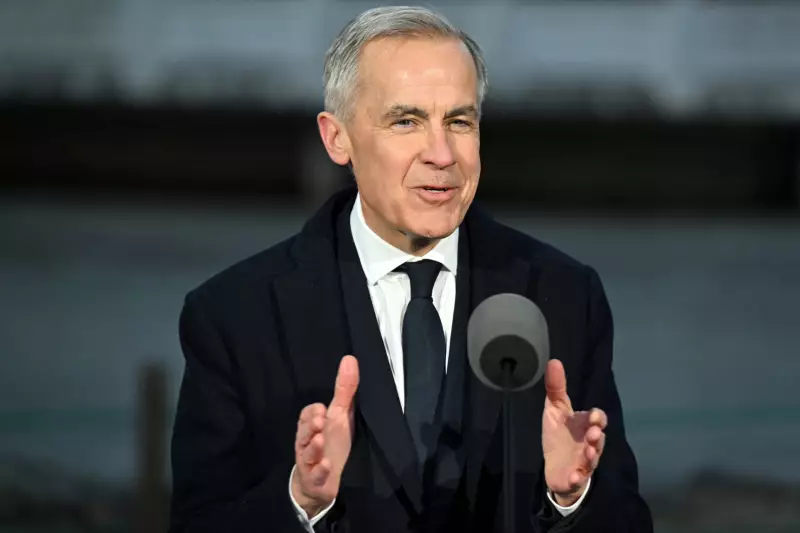
In a significant diplomatic and economic breakthrough, China and Canada have agreed on a comprehensive new deal aimed at resolving long-standing trade disputes and easing travel restrictions. The agreement was announced on Friday, January 16, 2026, following a high-level meeting in Beijing between Canadian Prime Minister Mark Carney and Chinese President Xi Jinping.
A New Chapter in Bilateral Relations
This meeting, the first between the nations' leaders in Beijing in eight years, marks a deliberate pivot away from years of diplomatic tension. Prime Minister Carney hailed the pact as a "landmark deal" under a "new strategic partnership," effectively turning the page on a period marred by retaliatory arrests and tariff wars.
President Xi Jinping, welcoming Carney at the Great Hall of the People, stated that relations reached a turning point after their last encounter at the APEC summit in October 2025. He expressed satisfaction with the recent efforts to restore cooperation between the two countries.

Key Details of the Landmark Agreement
The deal contains several concrete measures designed to boost trade and people-to-people links. The specifics include:
On the trade front, China has committed to drastically reduce its tariffs on Canadian canola products. The rate will drop to approximately 15 percent by March 1, 2026, down from the punishing 84 percent currently in place. China was once Canada's largest market for canola seed.
In a major move for tourism and business, China will allow Canadian visitors to enter the country visa-free.
In return, Canada will import 49,000 Chinese electric vehicles (EVs) under newly established preferential tariffs set at 6.1 percent. Carney noted this brings the tariff level back to what it was before the recent trade frictions.
Strategic Shift Amid Global Trade Tensions
This agreement is part of a broader strategy by Prime Minister Carney to diversify Canada's economic partnerships and reduce its heavy reliance on the United States. The push comes as former U.S. President Donald Trump has aggressively raised tariffs on key Canadian exports like steel, aluminium, vehicles, and lumber.
Carney had previously stated a goal to double Canada's non-U.S. exports by 2035. While the United States remains its dominant trading partner, accounting for about 75 percent of Canadian exports in 2024, China is a crucial second market, though it purchased less than four percent of exports that same year.
The path to this deal was not smooth. Bilateral relations deteriorated sharply in 2018 after Canada arrested a top Huawei executive on a U.S. warrant, leading to China's detention of two Canadians on espionage charges. Subsequent years saw tit-for-tat tariffs and accusations of election interference. Both sides have now expressed a clear desire to get relations back on "the right track."
During his visit, which included meetings with Premier Li Qiang and business leaders, Carney's focus was squarely on rebuilding economic bridges and securing a more stable and diversified trade future for Canada outside its traditional alliance framework.