Exploring Nigeria's Major Hausa States: Heritage, History and Cultural Influence
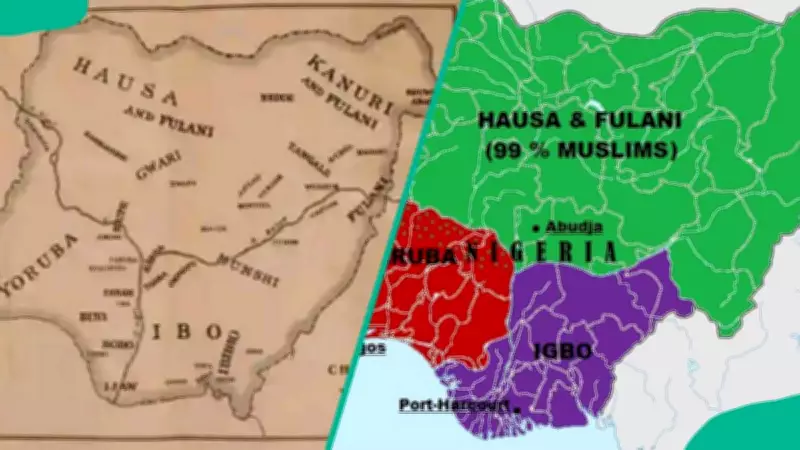
The Hausa people represent one of Nigeria's three largest ethnic groups, boasting a rich history and cultural influence that extends across multiple African regions. While no Nigerian state can claim to be exclusively Hausa, several northern states serve as majority strongholds due to their substantial Hausa-speaking populations. According to Professor Moses Ochonu, an expert in African history, Hausa heritage is characterized by a distinctive combination of linguistic dominance, cross-border influence, and traditional emirate systems.
Contemporary Hausa-Dominant States in Nigeria
Today, the Hausa people maintain significant presence across much of northern Nigeria. Although complete ethnic homogeneity doesn't exist, the following states are widely recognized as major Hausa strongholds due to their large Hausa-speaking populations:
- Bauchi state
- Borno state
- Kano state
- Katsina state
- Plateau state
- Taraba state
- Niger state
- Adamawa state
- Kaduna state
- Sokoto state
- Jigawa state
- Kebbi state
- Zamfara state
These states continue to function as the cultural, political, and economic centers of Hausa influence within Nigeria, preserving traditions while adapting to modern developments.

Historical Foundations: Hausa Bakwai and Banza Bakwai
Long before Nigeria's formation as a nation, the Hausa people had already established well-organized kingdoms. These historical entities were traditionally divided into two distinct categories that continue to shape understanding of Hausa heritage.
The Seven True Hausa States (Hausa Bakwai)
The original Hausa states, believed to have been founded by Bawo and his six sons, are regarded as the authentic Hausa kingdoms. These include:
- Daura
- Kano
- Katsina
- Zaria (Zazzau)
- Gobir
- Rano
- Biram
These states represented the purest expression of Hausa civilization, maintaining Hausa as their primary language and establishing cultural patterns that would endure for centuries.
The Seven Satellite States (Banza Bakwai)
Another group of states became connected to Hausa culture through conquest or intermarriage. While not considered "true Hausa" in origin, these states experienced significant Hausa cultural influence:
- Zamfara
- Kebbi
- Yauri (Yawuri)
- Gwari (Gwariland)
- Kwararafa (Jukun territory)
- Nupe
- Ilorin (included in some historical interpretations)
Understanding What Constitutes a "Hausa State" Today
Professor Moses Ochonu of Vanderbilt University identifies two primary interpretations when people discuss Hausa states in contemporary Nigeria:
Regional Perception: Many Nigerians, particularly from southern regions, mistakenly view all northern states as Hausa states. This perspective often stems from assumptions about a "monolithic north" where Hausa serves as everyone's first language and regional lingua franca.
Historical-Cultural Perspective: Those familiar with northern Nigeria's historical geography recognize Hausa land as the northwestern states where Hausa people maintain majority status, acknowledging the region's ethnic diversity while recognizing Hausa cultural dominance.
Correcting Common Misconceptions About Hausa Heritage
Professor Ochonu highlights several important corrections regarding Hausa identity and culture:
Linguistic Distinction: Not all Hausa speakers are ethnic Hausa. Many individuals use Hausa as a second language, particularly for trade and cross-cultural communication across northern Nigeria.
Regional Diversity: Being from northern Nigeria doesn't automatically make someone Hausa or a Hausa speaker. Many residents of middle belt states like Benue, Kogi, and Kwara don't speak Hausa as their primary language.
Religious Diversity: While most ethnic Hausa people identify as Muslim, significant Hausa Christian communities exist, along with traditionalists known as Maguzawa. In states like Plateau, Nasarawa, Taraba, Adamawa, Gombe, Bauchi, and Kaduna, Christians often represent either the majority or a substantial minority.

Ethnic Distinction: Hausa and Fulani remain distinct ethnic groups despite centuries of intermarriage. Their languages belong to different language families, and many Fulani people don't speak Hausa, while few Hausa people speak Fulfulde.
Hausa Cultural Influence Across Africa
As Africa's second most widely spoken language after Swahili, Hausa creates a "Pan-African consciousness" that extends well beyond Nigeria's borders. This widespread linguistic presence has facilitated:
Cross-Border Trade Networks: Hausa merchant communities have established trading networks across West and Central Africa, creating diasporas in multiple countries.
Pan-African Identity: The presence of Hausa-speaking populations across West Africa fosters a sense of continental connection among Nigerian Hausa people.
Media Ecosystem: International broadcasters including BBC, VOA, Deutsche Welle, and CGTN maintain Hausa-language services, while domestic Hausa media in print, broadcast, film, and music strengthen cultural ties among Hausa speakers.
The Enduring Role of Traditional Emirates
Despite lacking constitutional authority, traditional emirates continue to play significant social and cultural roles in Nigeria. According to Professor Ochonu, emirs and their subordinate rulers:
- Serve as symbolic rallying points for cultural pride and historical memory
- Function as custodians of culture and Islamic authority
- Help resolve local conflicts and preside over family legal matters
- Complement government functions by providing local governance layers
- Often serve as first responders to potential disorder and conflict
Frequently Asked Questions About Hausa States
What are the 14 traditional Hausa states? The 14 Hausa states comprise the Hausa Bakwai (7 true states) and Banza Bakwai (7 satellite states).
What are the 7 original Hausa states? The Hausa Bakwai include Daura, Kano, Katsina, Zaria, Gobir, Rano, and Biram.
How many Hausa states exist in Nigeria today? Approximately 13 northern states maintain predominantly Hausa-speaking populations, though Hausa communities exist throughout Nigeria.
Where is Hausa spoken beyond Nigeria? Hausa language and culture dominate in Niger and are widely spoken in Chad, Cameroon, Benin, Ghana, and Sudan.
Which Nigerian regions are Hausa-dominated? Hausa people concentrate primarily in northern Nigeria, particularly in states like Kano, Katsina, Kaduna, and Sokoto.
Nigeria's major Hausa states represent a fascinating blend of historical legacy, cultural richness, and contemporary influence. From ancient kingdoms to modern administrative units, the Hausa people continue to shape northern Nigeria's identity while maintaining cultural connections across West Africa. Their heritage demonstrates how traditional structures can adapt to modern contexts while preserving cultural authenticity.