Delta Community Honors 120-Year-Old Fisherwoman with Unique Dolphin-Shaped Casket Burial
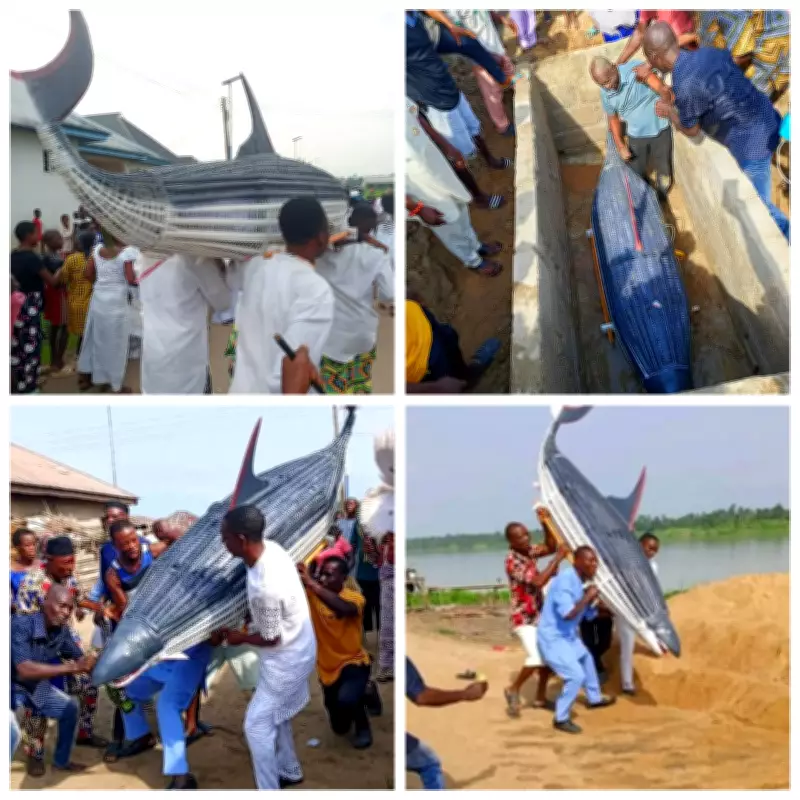
In a remarkable display of cultural reverence, the Oboro community within Bomadi Local Government Area of Delta State has conducted the burial of a 120-year-old woman using a specially crafted dolphin-shaped casket. This extraordinary funeral ceremony has ignited significant attention and discussion both locally and across various social media platforms, highlighting a profound tribute to the deceased's lifelong vocation.
A Symbolic Tribute to a Lifetime of Fishing
The elderly woman, whose identity remains primarily known through her sole occupation as a fisherwoman throughout her extensive life, was honored with this unique casket as a symbolic gesture. Community leaders and residents have emphasized that the dolphin-shaped design was intentionally chosen to celebrate her enduring legacy and deep connection to the riverine environment. By selecting a casket that mirrors the aquatic life she engaged with daily, the community aimed to narrate the story of her life in a manner that authentically reflects her identity and substantial contributions to the local fishing heritage.
Community Reactions and Cultural Significance
The burial has generated widespread reactions within Oboro and beyond, with many praising the innovative approach to honoring traditional livelihoods. Locals explained that this decision underscores the importance of preserving and acknowledging the roles individuals play in sustaining community traditions. The dolphin, often associated with intelligence and grace in water, serves as a fitting emblem for a woman who dedicated over a century to fishing, thereby enriching the cultural and economic fabric of the area.

This event not only marks the passing of a centenarian but also reinforces the value placed on artisanal professions and ancestral practices in Delta State. As discussions continue to flourish online, the story of the 120-year-old fisherwoman and her dolphin-shaped casket stands as a poignant reminder of how communities can creatively commemorate lives intertwined with their natural and cultural landscapes.