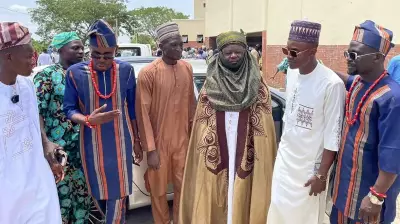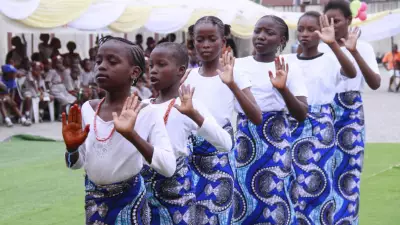
Understanding the profound and intricate ways Nigerians demonstrate respect requires delving into a cultural fabric woven with unspoken rules, precise gestures, and deep-seated values that govern every interaction. This exploration, based on extensive observation and research, reveals that respect in Nigeria is far more than mere politeness; it is the bedrock of social order, family harmony, and communal identity across the nation's 371 ethnic groups.
The Unspoken Language of Deference and Protocol
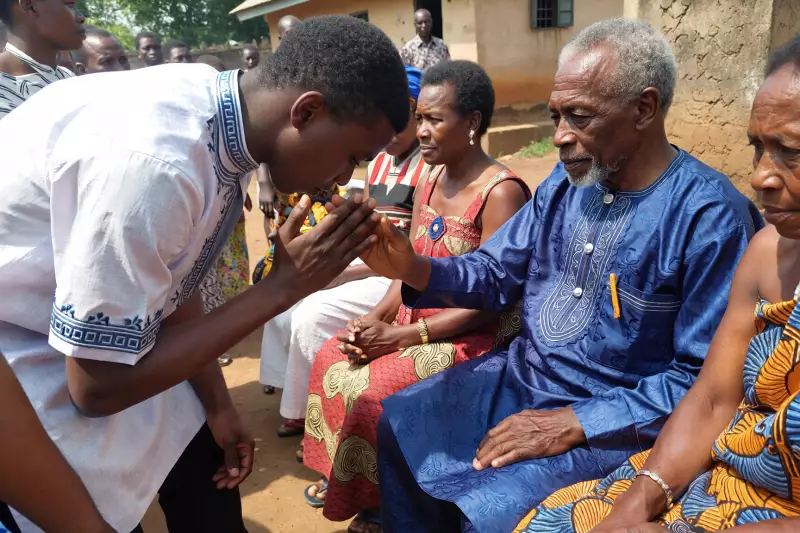
At the heart of Nigerian social interaction lies a complex web of respect protocols that are as natural as breathing for those raised within the culture. The transformation is instant when, for example, a young Igbo man encounters an elder. His posture shifts, his voice softens, and he employs the honorific "Deede" with a slight bow. This seamless display, observed in everyday settings from Lagos markets to family compounds, underscores how respect is intrinsically woven into personal identity.
According to the National Council for Arts and Culture, these protocols form the essential foundation of Nigeria's social cohesion. Furthermore, the Federal Ministry of Information and National Orientation officially recognises respect for elders and authority as one of the nation's seven core values, influencing dynamics from family life to high-stakes business negotiations.

Greeting as a Sacred Dance: Ethnic Variations
Greeting rituals in Nigeria are a primary demonstration of respect, acting as a complex cultural dance with specific steps for each ethnic group. For the Yoruba, young men perform a full prostration, lying completely flat before elders, while women kneel on both knees. This act is not symbolic but a total physical submission. Among the Igbo, respect is shown through slight bows, specific hand positions—such as clasped hands—and extended verbal greetings inquiring about an elder's health and family. In Hausa-Fulani culture, deference is communicated through lowered voices, moderated eye contact, and the use of phrases like "Sannu da zuwa."
Research from the National Institute for Cultural Orientation confirms that proper greeting habits remain a key metric for evaluating a person's home training and character. To walk past an elder without greeting is considered among the gravest social offenses. The time invested in these exchanges is itself a sign of respect; rushing through greetings signals self-importance and disregard.
The Pillars of Respect: Titles, Body Language, and Taboos
Beyond greetings, several key pillars uphold the structure of Nigerian respect culture. The use of appropriate titles and honorifics is non-negotiable. Elders and authority figures are addressed as "Uncle," "Aunty," "Sir," "Ma," or by professional titles like "Doctor" or "Chief," rarely by first names unless explicitly invited. The left-hand taboo is observed religiously across most cultures; the left hand is considered unclean for eating, passing items, or shaking hands.
Body language speaks volumes. Maintaining a formal posture in the presence of elders, avoiding confrontational direct eye contact, and speaking in measured tones all broadcast deference. Hospitality is extended generously to guests, with the gracious acceptance of offered food and drink being a critical expectation. Observing speaking hierarchies, where elders speak first and youngsters listen attentively, and removing shoes before entering homes or sacred spaces are further universal markers of respect.
Respect in Tradition: Ceremonies and Financial Commitment
Traditional ceremonies provide the most elaborate stages for demonstrating respect, often involving significant financial investment. During traditional marriage ceremonies, the groom's family approaches with utmost deference, presenting gifts and cash that can exceed ₦500,000 for middle-class families, while the bride kneels respectfully. Title-taking ceremonies for chieftaincy honors involve prostrations, ritual purifications, and gifts ranging from ₦1 million to ₦50 million.

Naming ceremonies for newborns, costing between ₦100,000 and ₦500,000, place elders in seats of honor to bless the child. Funeral rites for elders are perhaps the most elaborate, lasting days and requiring investments from ₦2 million to ₦20 million to properly honor the deceased and maintain family reputation. Participation in cultural festivals also demands respect through specific attire, often costing ₦30,000 to ₦200,000, and meticulous adherence to ancient protocols.
Navigating Modernity and Regional Diversity
In cosmopolitan urban centers like Lagos, Abuja, and Port Harcourt, Nigerians master the art of "cultural code-switching," fluidly moving between traditional family protocols and contemporary professional courtesies. A professional might prostrate before a parent on Sunday, use a Western handshake with a client on Monday, and observe Igbo greeting customs with in-laws on Saturday. This adaptability represents sophisticated cultural competency.
However, the economic dimension of respect poses challenges. Fulfilling obligations for gifts, ceremony contributions, and traditional attire can strain personal budgets, with some individuals reporting annual expenses of up to ₦2 million on respect-related social capital. Yet, these are widely viewed as non-negotiable investments in family harmony and social standing.
Ultimately, respect in Nigeria is a dynamic, living culture. While young Nigerians and the diaspora negotiate modern realities, the core principles of elder deference, proper greeting, and hierarchical awareness remain steadfast. Mastering these protocols is not merely about social etiquette; it is the key to understanding and successfully navigating the very heart of Nigerian society.