Welcome, and thank you for finding your way to this piece. If you have been searching for a clear, well-researched answer to what is the biggest culture in Nigeria, you are in exactly the right place. This article is the result of months of focused research into Nigerian cultural demographics, combined with years of experience writing about Nigerian identity, ethnicity, and society for this publication. I have spent a considerable amount of time digging through government records, cultural histories, and community accounts, and what I have found is genuinely fascinating. Nigeria is one of the most culturally complex nations on earth, and understanding which culture carries the greatest weight inside its borders is not as simple as quoting a single number. Let me walk you through it properly.
What is the Main Culture of Nigeria?
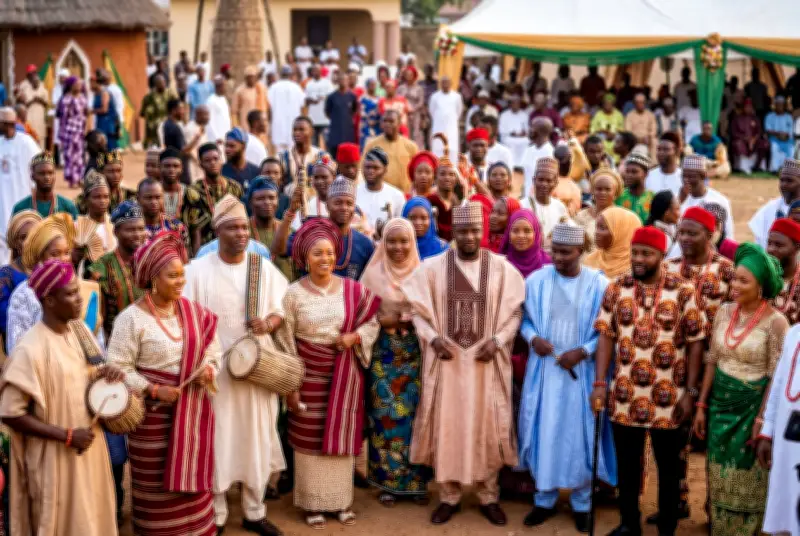
When people ask about the main culture of Nigeria, they are usually looking for a single answer, and I completely understand that instinct. The honest truth, though, is that Nigeria does not operate on a monoculture. It never has. The country holds over 250 distinct ethnic groups, each with its own language, customs, food traditions, and spiritual practices. And yet, within that extraordinary diversity, a clear hierarchy of cultural influence does exist. The Nigerian Ministry of Foreign Affairs confirms that the three dominant ethnic groups in the country are the Hausa-Fulani in the north, the Yoruba in the southwest, and the Igbo in the southeast. According to foreignaffairs.gov.ng, each of these three groups accounts for roughly a fifth of the national population, making them the undisputed pillars of Nigerian cultural life. Everything else, and there is a great deal of everything else, sits alongside and between these three giants. What strikes me most, having covered Nigerian cultural topics for years, is how thoroughly these three groups have shaped the national imagination. Yoruba literature, Igbo entrepreneurial philosophy, Hausa-Fulani Islamic scholarship: each tradition has left fingerprints on the Nigerian character that no amount of modernisation has quite managed to erase.
What is the Largest Culture in Nigeria?
Here is where things get particularly interesting. In terms of raw population size, the Hausa-Fulani group is generally considered the largest single cultural bloc in Nigeria. Estimates place the combined Hausa-Fulani population at somewhere between 29% and 35% of the total national population, though Nigeria’s last reliable census data makes precise figures a matter of ongoing academic debate. The Federal Ministry of Information and National Orientation describes the Hausa-Fulani as predominant across the northern states, where their cultural practices, architectural traditions, and Islamic scholarship have shaped society for nearly a millennium. The Hausa language, in particular, functions as a regional lingua franca that stretches well beyond Nigeria’s borders into Niger, Chad, Cameroon, and across the Sahel. That said, the Yoruba make an equally compelling case for cultural prominence. With a population of approximately 42.6 million within Nigeria alone (and over 53 million globally, according to recent estimates), the Yoruba are one of the largest ethnic groups on the entire African continent. Their cultural output, from the global spread of Afrobeats music to the enduring influence of Yoruba religion across the African diaspora in Brazil, Cuba, and the Caribbean, gives them a reach that no other Nigerian group quite matches. Igbo culture, meanwhile, punches above its demographic weight through an extraordinary reputation for commerce, education, and enterprise that extends from Lagos to London. The Guardian Nigeria has covered how Yoruba language and culture are gaining renewed international attention, with platforms like the BBC expanding Yoruba and Igbo broadcasting services to reach diaspora communities around the world. That kind of global reach is a marker of cultural significance that population numbers alone cannot capture.


Who is the Biggest Culture? A Clear Answer
So, what is the biggest culture in Nigeria? Answered directly: the Hausa-Fulani are the single largest cultural group by population share, the Yoruba are arguably the most globally influential Nigerian culture by reach and diaspora impact, and the Igbo carry enormous economic and intellectual weight across the country and beyond. Together, according to nigerianembrome.gov.ng, these three groups represent approximately 71% of Nigeria’s total population. If forced to name one group as definitively “biggest,” the Hausa-Fulani hold the numerical edge, but the honest answer is that Nigeria’s cultural story belongs to these three groups working in constant, dynamic tension with one another. Closely related entities worth knowing in this conversation include: The Fulani (often grouped with the Hausa but maintaining a distinct pastoral identity) The Yoruba sub-groups including the Oyo, Egba, Ijebu, and Ekiti The Igbo sub-groups including Owerri, Onitsha, Nnewi, and Afikpo communities The Kanuri of Borno State, one of the most significant “minority” groups The Tiv and Idoma of the Benue Valley The Ijaw of the Niger Delta, one of the largest groups outside the “Big Three” The Ibibio and Efik of Cross River and Akwa Ibom states I have covered Nigerian society for long enough to know that Nigerians themselves often bristle at the idea of ranking their cultures. And rightly so. But for the purposes of research, journalism, and genuine curiosity, understanding the scale and weight of each group is essential context.
What Are the Three Cultures of Nigeria? A Deeper Look at the Big Three
The Hausa-Fulani: History, Faith, and Northern Identity
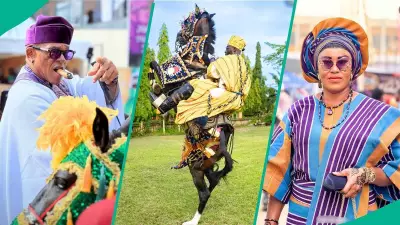
The Hausa-Fulani cultural bloc is rooted in a civilisation that stretches back to the ancient Hausa city-states of the medieval period. The Fulani jihad of the early 19th century, led by Usman dan Fodio, fundamentally reshaped the north, merging Hausa and Fulani political and cultural identity into what we recognise today. Islam is not merely a religion within this cultural tradition; it is the organising principle of social life, architecture, education, and governance across the northern states. Walking through Kano or Sokoto, you feel the weight of that history in the mud-brick architecture, the emir’s palace, the call to prayer echoing across the city at dawn. I had the privilege of visiting Kano’s ancient dye pits several years ago, and the experience stayed with me. These pits have been producing indigo-dyed cloth for centuries. That kind of deep continuity is the hallmark of Hausa-Fulani culture. The northern festivals also deserve mention. Durbar festivals, held in cities like Kano and Zaria during Islamic celebrations such as Eid al-Fitr and Eid al-Adha, involve elaborate cavalry processions that are among the most visually spectacular cultural events on the African continent. The Nigerian Tourism Development Corporation has long promoted Durbar as one of the country’s flagship cultural attractions.
The Yoruba: Art, Tradition, and Global Reach
The Yoruba people of southwestern Nigeria are, by almost any measure, one of the most culturally prolific groups in the world. Their ancient city of Ile-Ife is considered the spiritual birthplace of the Yoruba race, and the Ooni of Ife remains one of the most respected traditional rulers on the continent. The annual Olojo Festival in Ile-Ife, which Guardian Nigeria has described as a celebration of the day God created the earth, draws attendees from across the Yoruba diaspora every year. Yoruba art is extraordinary. The bronze and terracotta works from Ile-Ife, dating back to the 12th century, represent some of the finest artistic achievements in human history. Yoruba music gave birth to Juju, Fuji, and eventually became a foundational influence in the development of Afrobeats. Fela Kuti, the legendary musician and activist, drew heavily on Yoruba musical traditions while creating something entirely new and globally resonant. The Yoruba political tradition is also rich and complex, built around a network of kingdoms ruled by Obas (kings) who derive their authority from both ancestral lineage and spiritual sanction. The role of the Ooni, the Alaafin of Oyo, the Awujale of Ijebu-Ode, and dozens of other Obas remains culturally significant even in the era of modern governance.
The Igbo: Enterprise, Community, and Resilience
The Igbo of southeastern Nigeria have built a cultural identity centred on self-reliance, education, and commercial excellence. Unlike the Hausa-Fulani and Yoruba traditions, which developed around centralised kingdoms and empires, traditional Igbo society was largely decentralised, organised through age grades, title societies, and the council of elders rather than hereditary monarchy. This produced a deeply egalitarian cultural ethic in which social status is earned rather than inherited, a value that translates directly into the famous Igbo entrepreneurial drive. The Igbo cultural week, celebrated in communities across Nigeria and the diaspora, features traditional wrestling, masquerade performances, and the Oji (kola nut) ceremony that governs almost every social interaction of consequence. The Oji is not merely a ritual; it is a philosophical statement about hospitality, community, and the relationship between the living and the ancestors. I remember speaking with an Igbo trader in Aba whose grandfather had started a business with nothing but a bicycle and a consignment of dried fish. Three generations later, the family runs one of the largest textile distribution operations in the southeast. That spirit of building something from nothing, passing it across generations, is quintessentially Igbo. Guardian Nigeria’s food writers have beautifully captured how Igbo culinary culture reflects this depth, with a journey through Igbo food traditions revealing layer upon layer of flavour and meaning in dishes that outsiders often overlook.
How to Appreciate and Engage with Nigeria’s Major Cultures Respectfully
Whether you are a researcher, a traveller, a Nigerian reconnecting with heritage, or simply a curious reader, here is a practical guide to engaging with Nigeria’s three biggest cultures meaningfully: Learn at least a greeting in each language. “Sannu” in Hausa, “E kaabo” in Yoruba, and “Nno” in Igbo open more doors than any business card ever will. Understand the role of elders. In all three cultures, age carries authority. Greeting an elder first, and doing so respectfully, is not optional. Follow food etiquette. Accepting food when offered is a mark of respect. Refusing without a clear reason can cause genuine offence. Ask before attending ceremonies. Most traditional festivals welcome respectful outside observers, but asking permission first is always appreciated. Do not conflate the three. Yoruba, Hausa-Fulani, and Igbo are distinct civilisations with their own histories, values, and worldviews. Treating them as interchangeable will mark you as an outsider immediately. Support cultural preservation. Buy locally made traditional fabrics, attend cultural festivals, and patronise Nigerian artists. Your engagement sustains living traditions. Read widely. Chinua Achebe’s “Things Fall Apart” for Igbo perspective, Wole Soyinka’s works for Yoruba worldview, and the rich canon of Hausa literature available in translation offer profound entry points.
Key Cultural Data: Nigeria’s Three Dominant Groups at a Glance
Comparing Nigeria’s Three Largest Cultural Groups by Key Metrics Cultural Group Region Estimated Population (Nigeria) Primary Religion Key Language Notable Cultural Exports Hausa-Fulani North 29-35% of population Islam Hausa Durbar festival, leather craft, Islamic architecture, Hausa literature Yoruba Southwest ~21% of population Christianity and Islam (roughly equal) Yoruba Afrobeats, Juju music, Ile-Ife bronze art, Yoruba religion globally Igbo Southeast ~18% of population Christianity Igbo Aba textiles, Nollywood, masquerade culture, Igbo entrepreneurship The data above, drawn from Nigerian government sources and academic estimates, illustrates that while the Hausa-Fulani hold the numerical edge in population share, each of Nigeria’s three major groups commands cultural influence that extends well beyond its demographic footprint. The Yoruba’s global diaspora impact and the Igbo’s economic reach demonstrate that sheer numbers do not tell the full story of cultural power.
What is the Biggest Culture in Nigeria? Bringing It All Together
Nigeria’s cultural landscape is, frankly, one of the most extraordinary on earth. The question of what is the biggest culture in Nigeria has a clear demographic answer: the Hausa-Fulani. But the fuller answer, the one that actually explains Nigeria, is that the country’s cultural identity is a three-way conversation between the Hausa-Fulani north, the Yoruba southwest, and the Igbo southeast, with over 250 additional voices adding texture, depth, and occasional tension to the mix. I have been writing about this country for years, and I am still discovering new dimensions to these cultures every time I look closely. Nigeria does not offer simple answers. But that complexity is precisely what makes it endlessly rewarding to explore. If you want to understand what drives Nigerian society, study how these three cultures negotiate power, trade, marriage, spirituality, and memory. You will find, as I have found, that the answer to almost every Nigerian question runs through at least two of them.
Related Articles
If this piece has sparked your curiosity about the depth and diversity of Nigerian culture, two of my earlier articles sit perfectly alongside it. My exploration of What is Nigerian Culture Known For? digs into the creative and artistic traditions that give each of these major cultures their outward expression, from Nollywood to Afrobeats to literary giants whose work has reshaped how the world understands Africa. And my piece on What is the Dominant Culture in Nigeria? examines the question of cultural power from a different angle, looking at how religious and political forces shape which traditions hold sway in contemporary Nigerian life. Both will add considerable texture to everything explored here.
Key Takeaways
- The Hausa-Fulani are Nigeria’s largest single cultural group by population, estimated at 29 to 35% of the national total, with a civilisation rooted in centuries of Islamic scholarship, trade, and northern political history.
- The Yoruba, Hausa-Fulani, and Igbo together account for approximately 71% of Nigeria’s population, and understanding these three groups is the essential foundation for understanding Nigerian society, politics, and culture.
- Nigeria’s cultural richness lies not in any single dominant tradition but in the dynamic interplay between its major groups and the 250-plus additional ethnic communities whose customs, languages, and histories enrich the national story every day.
Frequently Asked Questions About What is the Biggest Culture in Nigeria
What is the biggest culture in Nigeria?
The Hausa-Fulani are the single largest cultural group in Nigeria by population, accounting for an estimated 29 to 35% of the total national population. However, the Yoruba and Igbo are equally foundational to Nigerian cultural identity, with each group contributing enormous influence to the nation’s politics, arts, commerce, and global reputation.
What are the three main cultures of Nigeria?
Nigeria’s three main cultures are the Hausa-Fulani of the north, the Yoruba of the southwest, and the Igbo of the southeast. Together, these three groups represent approximately 71% of Nigeria’s population and have shaped virtually every aspect of the nation’s cultural, political, and economic life.
Is Yoruba the biggest ethnic group in Nigeria?
The Yoruba are one of Nigeria’s three largest ethnic groups, with a population of around 42.6 million within Nigeria, but they are not the largest by most population estimates. The Hausa-Fulani hold that numerical distinction, though the Yoruba arguably have the widest global cultural influence through their diaspora presence and cultural exports.
What is the most powerful culture in Nigeria?
Cultural power in Nigeria is distributed rather than concentrated, with each of the Big Three groups commanding significant influence in different spheres. The Hausa-Fulani have historically dominated northern politics and Islamic scholarship, the Yoruba have shaped Nigeria’s arts, media, and southwest political life, and the Igbo have driven commercial and educational achievement across the country.
How many cultures are there in Nigeria?
Nigeria is home to over 250 distinct ethnic groups, each with its own language, traditions, and cultural identity. Some estimates place the number of indigenous languages at over 500, making Nigeria one of the most linguistically and culturally diverse nations on earth.
What makes Hausa-Fulani culture significant?
Hausa-Fulani culture is significant because of its deep historical roots in trans-Saharan trade, Islamic scholarship that predates Nigeria as a political entity, and its ongoing role in shaping northern Nigerian society, governance, and spiritual life. The Hausa language is a regional lingua franca spoken across West and Central Africa, giving the culture enormous reach beyond Nigeria’s borders.
What is the cultural significance of the Yoruba people?
The Yoruba are one of Africa’s most globally influential ethnic groups, with a diaspora presence in Brazil, Cuba, the United States, and across the Caribbean that has carried Yoruba religion, music, and artistic traditions to every corner of the world. Within Nigeria, the Yoruba have produced Nobel laureates, global musicians, and political leaders who have shaped the nation’s identity.
What cultural traditions are the Igbo known for?
The Igbo are known for masquerade traditions, the Oji (kola nut) ceremony, age-grade social systems, traditional wrestling, vibrant textile craftsmanship centred in Aba and Nnewi, and a deep cultural emphasis on education and entrepreneurship. The Igbo also play a central role in Nollywood, Nigeria’s global film industry, and in the country’s financial sector.
Are there more than three cultures in Nigeria?
Yes, absolutely. Nigeria has over 250 ethnic groups, and many of them, including the Ijaw, Kanuri, Tiv, Ibibio, Efik, Edo, Nupe, and many others, have rich and distinct cultural traditions. The Big Three receive the most attention because of their population size, but Nigeria’s cultural depth extends far beyond these three groups.
How does religion relate to Nigerian culture?
Religion is inseparable from culture in Nigeria, with Islam defining much of Hausa-Fulani social life and Christianity playing a central role in Igbo and many Yoruba communities. Traditional African religious practices continue to influence all three major groups, often blending with monotheistic faiths in ways that create uniquely Nigerian spiritual expressions.
What role does language play in Nigerian culture?
Language is one of the most powerful markers of cultural identity in Nigeria, with Hausa, Yoruba, and Igbo each functioning not just as communication tools but as carriers of history, oral tradition, proverbs, and spiritual knowledge. Nigeria has over 500 indigenous languages in total, and speaking even a few words of someone’s native tongue is one of the most effective ways to build trust and connection.
How is Nigerian culture changing in the modern era?
Nigerian culture is evolving rapidly through urbanisation, digital media, and the global spread of Nigerian music and film, but its foundations remain deeply rooted in ethnic tradition. Young Nigerians in cities like Lagos, Abuja, and Port Harcourt are creating hybrid cultural identities that mix Yoruba, Igbo, and Hausa elements with global influences, producing something genuinely new while honouring what came before.