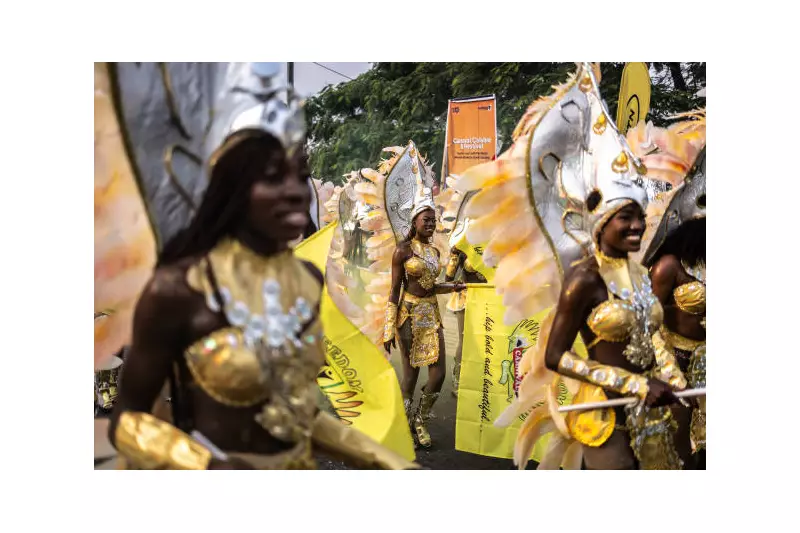
For twenty consecutive years, the vibrant streets of Calabar have transformed every December into a spectacular canvas of culture, colour, and creativity. The Carnival Calabar, which celebrated its landmark 20th anniversary in 2025, has solidified its status as Nigeria's biggest carnival and an internationally recognized festival. What began as a simple yuletide celebration has matured into a powerful economic architecture, demonstrating how indigenous culture can be harnessed for widespread development and prosperity.
The Evolution from Cultural Show to Economic Engine
Conceived in late 1999 and officially launched in 2005, Carnival Calabar was originally part of a strategic vision to reposition Cross River State as a premier tourism destination. Over two decades, it has evolved from a government-led event into a sprawling 32-day fiesta, meticulously planned and executed. The 2025 edition, themed 'Traces of Time', ran from November 30, 2025, to January 1, 2026, serving as a living archive of heritage while igniting the city's economy.
The fundamental shift has been in its funding and operational model. Unlike many state-sponsored festivals that become fiscal burdens, Carnival Calabar now thrives on a public-private partnership (PPP) framework. The Cross River State Government has strategically repositioned itself as a regulator and enabler, not the sole financier.

Gabe Onah, Chairman of the Carnival Calabar Commission, explained this philosophy. He stated that a responsible government provides the enabling environment for the private sector and communities to thrive. The carnival, he notes, has successfully created engagement for youths, women, and elders, improved the state's Internally Generated Revenue (IGR), and become a cornerstone for peace and harmony.
A Thriving Value Chain and Community Win-Win
The economic impact of the carnival radiates across multiple sectors, creating a complex value chain. During the festival period, the hospitality industry experiences a massive boom. Establishments like Tinapa Lakeside Hotel, Channel View Hotel, and Axari Hotel, alongside hundreds of serviced apartments, consistently report near-full occupancy throughout December.
Airlines schedule extra flights into Calabar, while road transport operators enjoy peak demand. Telecommunications companies deploy temporary infrastructure to handle heavy data traffic, and major brands leverage the event for experiential marketing and product launches. A whole ecosystem of event professionals—from costume designers and sound engineers to makeup artists and choreographers—finds lucrative work.
Perhaps most significantly, the festival empowers thousands of micro-entrepreneurs. Food vendors, table water sellers, tailors, photographers, and fabric traders all see December as their most profitable month. This transforms the event into a melting pot of inclusive enterprise, not an elitist economy.
Tourism consultant Ikechi Uko describes the carnival as a "living industry ecosystem" where tradition and modern enterprise coexist. He argues that the deep community involvement—where locals supply performers, cultural content, and creative labour—creates a vital social contract and sense of shared ownership, which is key to its durability.
Strategic Positioning and Global Recognition
The carnival's management has taken deliberate steps to ensure its longevity and commercial viability. The Carnival Calabar brand is registered under the Madrid Protocol and the UK Trademark Office, protecting its intellectual assets and signaling serious intent to global investors and sponsors.
Effiong Ekpenyong, Special Adviser on Events Management, highlighted that the 2025 edition benefited from stronger coordination, early planning, and improved inter-agency collaboration. Expanded programming, including gospel nights, cultural showcases, and family events, was designed to broaden market appeal and increase spending diversity.

The carnival is often compared to Lagos's 'Detty December', but organisers emphasise a fundamental difference. While Detty December is a decentralised cluster of private entertainment events, Carnival Calabar is a destination-led, curated economy that encourages longer stays and spending across accommodation, transport, retail, and crafts, beyond just nightlife.
The festival's quality has garnered international praise. Paulo Santos, the Portuguese Ambassador to Nigeria, who attended the 2025 events, compared Carnival Calabar favourably with major carnivals in Brazil and Europe, calling for stronger global marketing to showcase this Nigerian success story to the world.
As Carnival Calabar looks to the future after two triumphant decades, it stands as a compelling Nigerian case study. It proves that cultural heritage, when strategically managed through collaborative partnerships, can be a potent driver for sustainable economic development, social stability, and global tourism appeal.