The year 2026 is being heralded as a pivotal moment for Africa's cultural institutions. Across the continent, museums are emerging as dynamic custodians of a complex history, safeguarding stories that range from ancient civilizations and colonial struggles to the victories of independence. This transformation is occurring alongside accelerating global efforts to return cultural artifacts taken during the colonial era, with many pieces now journeying back to their homelands from European collections.
A Watershed Year for Heritage and Narrative
According to Mandla Gorebridge, the Southern Africa correspondent for Who Owns Africa, 2026 represents a definitive turning point. He points to three key drivers: the increased momentum in restitution campaigns, the completion of major expansion projects at flagship institutions, and the exciting launch of new, purpose-built venues. From the northern reaches of Cairo to the southern tip of Cape Town, and from the bustling hubs of Lagos to the resilient city of Kigali, these spaces are actively reclaiming historical narratives and, in turn, drawing unprecedented numbers of local and international visitors.
The Continent's Premier Cultural Destinations
The list of leading institutions reflects Africa's vast and varied cultural landscape, where ancient history powerfully intersects with contemporary expression. The featured museums include:

- Grand Egyptian Museum, Cairo, Egypt
- Apartheid Museum, Johannesburg, South Africa
- Robben Island Museum, Cape Town, South Africa
- Zeitz Museum of Contemporary Art Africa (MOCAA), Cape Town, South Africa
- National Museum of Egyptian Civilisation (NEMC), Cairo, Egypt
- The Egyptian Museum, Cairo, Egypt
- Bardo National Museum, Tunis, Tunisia
- District Six Museum, Cape Town, South Africa
- Kigali Genocide Memorial, Kigali, Rwanda
- Museum of West African Art (MOWAA), Benin City, Nigeria
- Museum of African Contemporary Art Al Maaden (MACAAL), Marrakech, Morocco
- National Museum of Ethiopia, Addis Ababa, Ethiopia
- Nairobi National Museum, Nairobi, Kenya
- Luxor Museum, Luxor, Egypt
- Constitution Hill Human Rights Precinct, Johannesburg, South Africa
- Nigerian National Museum, Lagos, Nigeria
- Karen Blixen Museum, Nairobi, Kenya
- Iziko South African Museum, Cape Town, South Africa
- Musée Yves Saint Laurent, Marrakech, Morocco
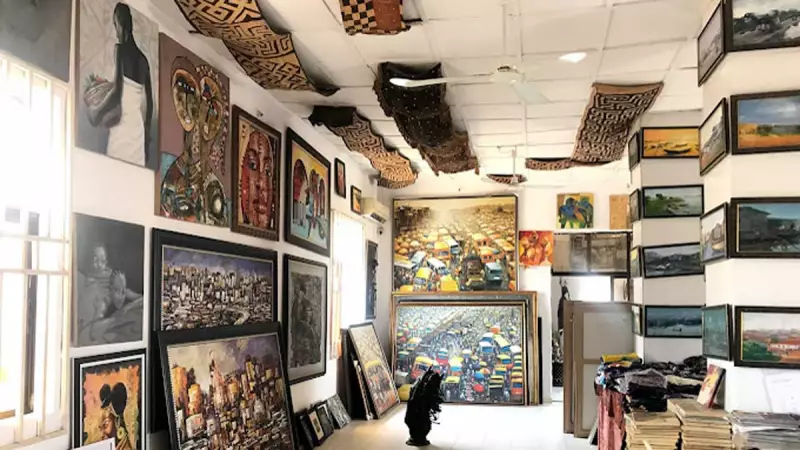
- Nike Centre for Art and Culture, Lagos, Nigeria
Looking Ahead: Connection and Transformation
With the dual forces of cultural restitution gaining speed and a strong rebound in global tourism, 2026 is set to foster deeper, more meaningful connections between people and Africa's multifaceted stories. Whether a visitor is tracing the origins of humanity in the halls of Ethiopia's national museum or confronting the brutal legacy of apartheid in South Africa, the experience promises to be transformative. These institutions are no longer mere repositories of objects; they are active, vibrant forums for dialogue, education, and a renewed sense of identity.
The source for this information is Who Owns Africa, with the original article published on January 10, 2026. The evolving landscape of Africa's museums signifies a broader cultural awakening, positioning the continent's heritage at the heart of its future.