Federal Government Announces Plan to End JSS-SSS Separation Policy
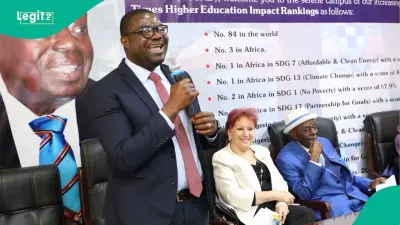
The Federal Government has announced plans to phase out the long-standing policy separating Junior Secondary School (JSS) from Senior Secondary School (SSS), describing the arrangement as a major contributor to the country's growing school dropout crisis. The proposal was announced by the Minister of Education, Tunji Alausa, during the inauguration of the Universal Basic Education Commission (UBEC) Ministerial Implementation and Monitoring Committee in Abuja.
According to the minister, the current "disarticulation policy," which separates junior and senior secondary schools administratively, has failed to deliver its intended objectives and will be phased out after due approval. Alausa said the Federal Government would prepare a position paper for presentation to the National Council on Education, the country's highest education policy-making body, before the proposal can become official.
Addressing the Dropout Crisis
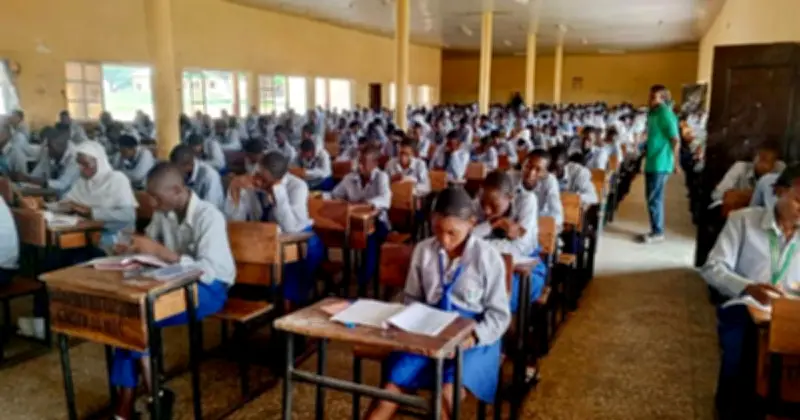
The proposed reform is aimed at reducing the more than 20 million school dropouts recorded between primary and senior secondary education. According to the minister, about 24 million pupils enrol in primary school, but only about four million eventually complete senior secondary school, leaving roughly 20 million children dropping out along the education pathway. Alausa also disclosed that Nigeria has about 80,000 public primary schools but only around 15,000 junior secondary schools, describing the imbalance as one of the major reasons many pupils are unable to continue their education after primary school.

7 Key Changes Every Student Should Know
1. You won't have to leave your school immediately
The proposal has not taken effect yet, so students will continue under the current system until the government formally approves and implements the reform.
2. Moving from JSS3 to SSS1 could become easier
The government wants to remove administrative barriers between junior and senior secondary school so students can transition more smoothly instead of being affected by separate school management.
3. The reform aims to keep more students in school
Education Minister Tunji Alausa said more than 20 million pupils fail to progress to senior secondary school, and the new policy is intended to reduce those dropouts.
4. Students could spend all six secondary school years in one school
If approved and adopted by states, many public schools may no longer separate JSS and SSS into different administrative units, allowing students to complete secondary education more seamlessly.
5. Your JSS and SSS may no longer have separate principals
The government says having separate management for JSS and SSS has contributed to overcrowded junior schools while some senior schools remain underused.
6. The goal is to create more spaces for students
The ministry says Nigeria has about 80,000 public primary schools but only 15,000 junior secondary schools, creating a bottleneck that leaves many pupils without places to continue their education.
7. Nothing changes until the proposal is approved
The policy still has to be considered by the National Council on Education before it becomes official, so students should continue following the current school structure for now.
Broader Education Reforms
Speaking at the inauguration of the UBEC Ministerial Implementation and Monitoring Committee, Alausa said many education projects funded by UBEC have either remained incomplete or have not been handed over to state governments for use. He said the committee, chaired by education expert Rashid Aderinoye, has been tasked with ensuring that completed projects are put into use and that ongoing projects are properly monitored. The Federal Government said the proposed reform forms part of its broader effort to improve learning outcomes, expand access to secondary education and tackle Nigeria's out-of-school children crisis, one of the largest in the world.