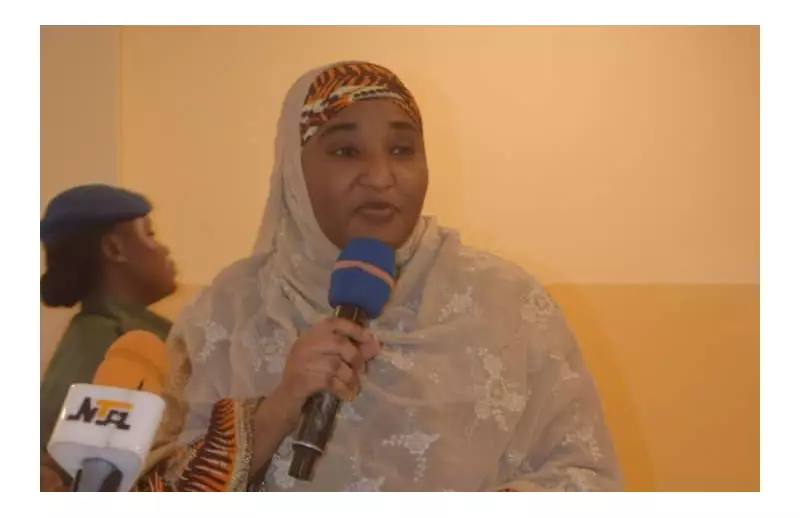
The Federal Government has officially launched a new initiative designed to transform the landscape of technical and vocational education in the country. The Minister of State for Education, Professor Suwaiba Sa'id Ahmad, unveiled the Nigeria Polytechnic Foundation (NIPOF) on 8 January 2026, marking a significant step towards enhancing innovation and skills development within polytechnic institutions.
A Strategic Move to Reposition Polytechnics
Speaking at the ceremony organized by the National Board for Technical Education (NBTE), Professor Ahmad declared that the foundation's establishment is a pivotal moment for national development. She emphasized that NIPOF is not just another institution but the start of a movement to fundamentally reposition Nigeria's polytechnics.
"It is the beginning of a movement to reposition our polytechnics as engines of creativity, hubs of technical expertise, and centres of applied research that directly respond to the needs of industry and society," the Minister stated.

She highlighted that this initiative comes at a critical time when national discourse is centered on skills development, youth employability, and preparing a future-ready workforce. The ministry remains committed to expanding the nation's Technical and Vocational Education and Training (TVET) capacity, recognizing polytechnics as central to producing the skilled manpower needed in key sectors like manufacturing, engineering, renewable energy, and digital technology.
Core Functions and Expected Impact of NIPOF
Professor Ahmad outlined the strategic role NIPOF is expected to play. The foundation is positioned to provide crucial support in several areas to elevate the quality and relevance of polytechnic education across Nigeria.
The key areas of impact for NIPOF include:
- Expanding industry-oriented training programs and internships for students.
- Strengthening vital linkages and collaboration with the private sector.
- Supporting capacity-building and professional development for lecturers.
- Funding applied research and prototyping with commercial potential.
- Encouraging greater female participation in technical fields.
- Boosting entrepreneurship among students and graduates.
The Minister also stressed the urgent need to change the perception of TVET, describing it as a strategic pathway to national development rather than a secondary educational option. She assured stakeholders of the ministry's full commitment to ensuring NIPOF becomes a catalyst for excellence, innovation, and inclusion.
Addressing Funding and Equipment Challenges
The Executive Secretary of the NBTE, Professor Idris Bugaje, provided context on the genesis of the foundation. He recalled a 2021 incident where a U.S.-based Nigerian proposed mobilizing obsolete but modern training equipment from American institutions for Nigerian polytechnics.
While arrangements were made, the donating institution later refused, stating it could not donate directly to a Nigerian government agency. "That was when we were advised to create a non-governmental platform," Bugaje explained. "So, we thought: why not a Nigerian Polytechnic Foundation? It will serve as the platform to seek equipment, training and other forms of support for our polytechnics."
He noted that the Minister's intervention broadened the foundation's original scope. Bugaje issued a strong call to action, urging the NIPOF Board of Trustees to immediately engage major industrial players. He argued that Nigerian industries must become active partners for polytechnics to produce graduates who meet modern manufacturing demands, warning that industrialization will remain slow without better-equipped and funded polytechnics.
In a show of cross-ministerial support, the Permanent Secretary of the Federal Ministry of Industry, Trade, and Investment, Nura Rimi, congratulated the NBTE and NIPOF Council. Rimi stated that the foundation's goals are in strong alignment with the Federal Government's objective of building a highly skilled workforce and deepening academia-industry collaboration.