Kwara State Redefines Education with Student Stipends and Digital Reforms
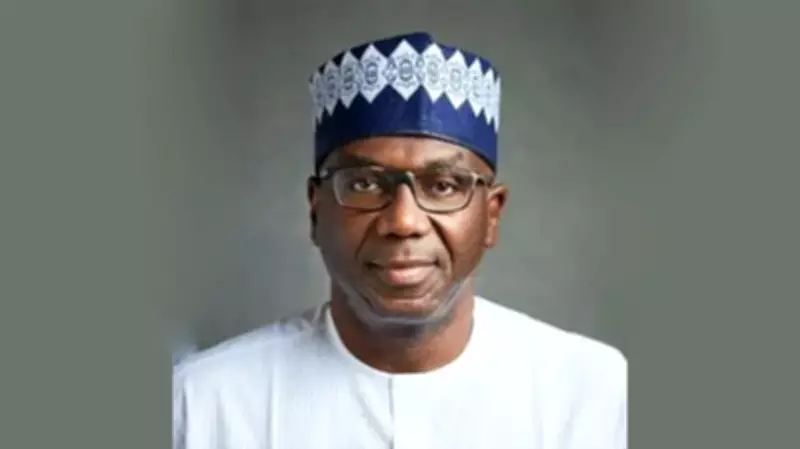
Kwara State is quietly redefining public education in Nigeria through an unconventional but highly impactful strategy: paying students to remain in school, digitizing classrooms, and rebuilding a once-struggling system from the ground up. Inspired by the enduring words of Malcolm X—"Education is the passport to the future"—the administration of Governor AbdulRahman AbdulRazaq has embarked on sweeping reforms aimed at enhancing access, quality, and performance across all educational levels. Seven years into these reforms, the results are beginning to reshape the narrative, offering a model for other states to emulate.
From Neglect to Renewal: Infrastructure Overhaul
When the current administration assumed office in 2019, the education sector in Kwara was grappling with deep structural issues. Infrastructure had deteriorated significantly, and the state had failed to access matching grants from the Universal Basic Education Commission (UBEC) for several years due to unpaid counterpart funding. Between 2014 and 2019, no meaningful intervention occurred through UBEC—a gap that left classrooms overcrowded, facilities outdated, and learning conditions far from ideal. This situation changed rapidly as the government cleared years of outstanding counterpart funding within its first two years, unlocking billions of naira in federal support. This move triggered an aggressive phase of infrastructural development, leading to the construction and renovation of nearly 2,000 classrooms across the state, with additional schools still undergoing upgrades to modern standards.
Technology in the Classroom: The KwaraLEARN Initiative
Beyond physical infrastructure, one of the most transformative interventions has been the rollout of the KwaraLEARN programme—a digital teaching and monitoring system designed to standardize education delivery. Through this initiative, teachers across more than 1,600 public primary schools are equipped with tablets preloaded with lesson plans, curriculum guides, and real-time reporting tools. This system ensures that a pupil in rural Baruten receives the same quality of instruction as one in Ilorin, the state capital. It also enables education authorities to monitor attendance, teaching activity, and classroom engagement using GPS-enabled tracking and data analytics. The result is a more accountable and consistent teaching framework—something previously lacking in the system, fostering a culture of excellence and transparency.

Raising the Bar for Teachers: Rigorous Recruitment and Training
Recognizing that quality education begins with quality teachers, the state introduced a rigorous recruitment process to replace the previously opaque system. Applicants now undergo computer-based testing, teaching demonstrations, and even drug screening before final selection. Out of nearly 30,000 applicants in a recent exercise, fewer than 2,000 candidates met the high standards required for employment. The emphasis is not just on hiring but on continuous development. Teachers are regularly trained in digital skills, including the use of artificial intelligence tools for lesson planning and assessment design, ensuring they remain at the forefront of educational innovation.
Paying Students to Stay in School: Financial Incentives for Enrollment
Perhaps the most striking aspect of Kwara’s education reform is its financial incentive programme aimed at increasing school enrollment—especially among girls. Under the AGILE (Adolescent Girls Initiative for Learning and Empowerment) programme, supported by the World Bank, female students in junior and senior secondary school receive stipends of up to ₦40,000 per term. The initiative addresses a critical socioeconomic barrier: many families traditionally rely on girls for income-generating activities such as hawking. By offering financial support tied to school attendance, the programme provides a compelling alternative. Early indicators suggest a noticeable increase in enrollment and retention rates, although officials note that comprehensive data is still being compiled to assess long-term impacts.

Academic Excellence on the Rise: Measurable Outcomes
The reforms are also yielding measurable academic outcomes. Kwara students have recorded multiple victories in national debate competitions, emerging champions for three consecutive years. Their performance has extended beyond Nigeria, with recent international wins highlighting the state’s growing academic competitiveness. Improvements have also been noted in external examinations conducted by the West African Examinations Council (WAEC) and the National Examinations Council (NECO), signaling a broader uplift in learning outcomes and positioning Kwara as a leader in educational achievement.
Strengthening Tertiary Education: Investments in Higher Learning
At the tertiary level, the state has invested heavily in upgrading institutions, including Kwara State University, Kwara State Polytechnic, and several colleges of education and health sciences. New lecture halls, laboratories, and hostels have been constructed, while digital infrastructure has been expanded to support e-learning and administrative efficiency. Scholarship programmes have also been widened to support students in critical sectors such as engineering, health sciences, and aviation—aligning education with workforce demands and preparing graduates for the job market.
Navigating Challenges: Security and Funding Issues
Despite these gains, challenges persist. Security concerns at one point forced the closure of schools in several local government areas, disrupting academic activities. Although schools have since reopened, some parents remain hesitant to send their children back. Funding constraints and aging infrastructure in certain areas also continue to test the sustainability of reforms. However, the government is exploring partnerships and strategic budgeting to address these issues, ensuring that progress is not derailed by external factors.
A Model in the Making: Benchmark for Education Reform
Kwara’s education reforms offer a compelling case study in how targeted investment, policy innovation, and accountability can transform public education systems. By combining infrastructure renewal, teacher quality, digital innovation, and direct student incentives, the state is not just improving education—it is redefining how it is delivered. If sustained, these efforts could position Kwara as a benchmark for education reform in Nigeria and beyond, inspiring other regions to adopt similar strategies for educational advancement.