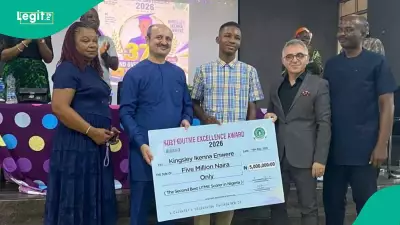
In a significant move to bolster educational opportunities in Nigeria, UK-based philanthropist and education advocate, Marcel Ngogbehei, has officially launched a new Community Scholarship Programme. The initiative was unveiled at a well-attended ceremony on January 7, 2026, with the core mission of expanding access to quality education and rewarding outstanding academic achievement among students in the community.
Bridging the Gap Between Talent and Opportunity
Speaking at the launch event, Marcel Ngogbehei, who is also the founder of the Ngogbehei Cancer Center, positioned the scholarship as a direct response to a critical challenge. He highlighted the persistent gap between the abundant talent and intelligence found in young Nigerians and the limited opportunities available to them, especially those from underserved backgrounds.
"This programme is about recognising talent and giving it room to grow," Ngogbehei stated. He expressed concern that without proper support and resources, the potential of many brilliant students risks being lost. The scholarship is designed to identify these gifted individuals and support them through a framework that emphasizes structured learning, discipline, and healthy competition.

Education Beyond Academic Scores
A key feature of the Community Scholarship Programme is its holistic approach. Ngogbehei emphasized that the initiative's focus extends beyond mere examination results. It is equally committed to shaping character, building confidence, and instilling the leadership skills necessary for students to make meaningful future contributions to society.
"Education is more than passing exams. It shapes character and equips young people with the skills and mindset needed to become future leaders," he explained. The philanthropist framed the investment in students today as a direct investment in the community's future prosperity and wellbeing.
Linking Education to Holistic Community Development
The scholarship programme is being implemented as an educational arm of the Ngogbehei Cancer Center. This strategic link underscores the organization's broader commitment to human development, which it views as extending beyond healthcare delivery alone.
Ngogbehei drew a clear connection between education, social empowerment, and long-term community health. "Healthy communities are built not only through medical care but also through education, empowerment and opportunity," he added, reinforcing the centre's integrated vision for sustainable development.
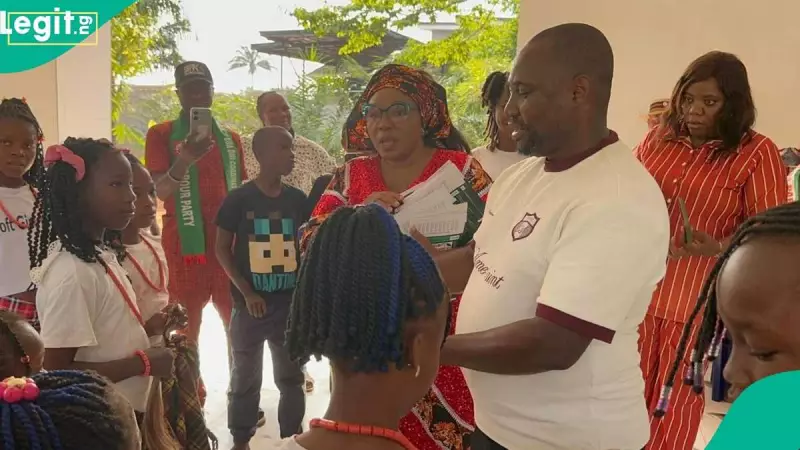
The launch ceremony saw strong attendance from parents, teachers, community leaders, and students. Various stakeholders echoed calls for collective responsibility to ensure the programme's sustainability and success. Ngogbehei himself thanked parents and educators for their role in nurturing young minds and urged selected students to approach the opportunity with discipline and dedication.
Education leaders present welcomed the intervention as particularly timely in communities where access to educational support remains a major hurdle. They noted the programme's potential to motivate learners, elevate academic performance, and cultivate a lasting culture of excellence.
As the Community Scholarship Programme begins its work, organizers are optimistic about its growth in both scope and impact. The ultimate goal is to nurture a new generation of confident, disciplined, and socially responsible leaders for Nigeria.