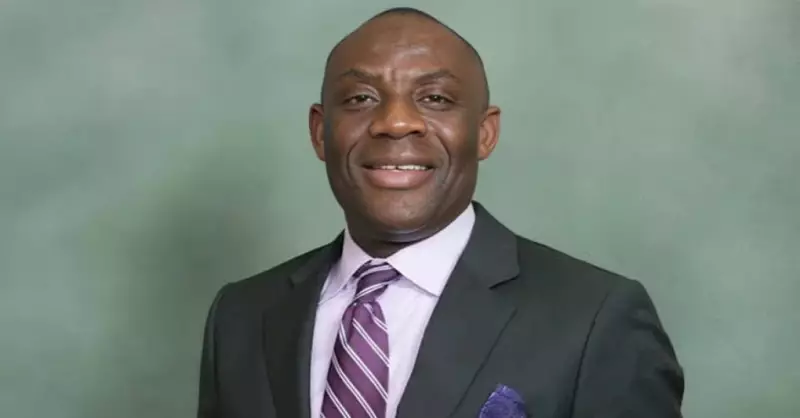
In a landmark achievement for Nigeria's higher education sector, the prolonged and disruptive conflict between the Federal Government and the Academic Staff Union of Universities (ASUU) has been conclusively resolved. The breakthrough, orchestrated under the decisive leadership of the Minister of Education, Dr. Tunji Alausa, brings to an end a staggering 16-year period of failed renegotiations over the 2009 agreement.
The Core of the New Agreement: Salaries, Pensions, and Funding
The comprehensive new pact, finalized on December 23, 2025, is set to take full effect from January 1, 2026. It marks a fundamental shift from short-term, crisis-driven talks to a system of structured, long-term engagement, with a mandatory review scheduled every three years.
At the heart of the settlement is a substantial 40 per cent salary increase for all academic staff across federal universities. This increment directly addresses one of ASUU's most persistent grievances: wages that had remained largely unchanged since 2009, severely eroded by inflation.

Complementing the pay rise is a major pension reform. Professors will now have the option to retire at the age of 70, receiving a pension equivalent to their full annual salary. This provision, a long-sought priority for the union, aims to guarantee post-service financial dignity and retain experienced academics within the system.
Structural Reforms for Sustainable University Growth
Moving beyond staff welfare, the agreement introduces a completely revamped model for funding universities. It mandates dedicated budgetary allocations for critical areas often neglected in the past, including:
- Research and development
- Library resources and laboratory equipment
- Continuous staff development programmes
A pivotal component of this new financial architecture is the establishment of a National Research Council. This body will be funded with a minimum of one per cent of Nigeria's Gross Domestic Product (GDP), ensuring a steady, substantial stream of money to drive innovation and scholarly work.
The agreement also reinforces university autonomy and academic freedom. Key provisions ensure that:
- University departments will democratically elect their heads.
- Academic leadership positions like Deans and Provosts will be occupied exclusively by professors.
- No academic staff will face victimization for participating in past industrial actions.
Implementation: The Critical Next Phase
ASUU President, Professor Chris Piwuna, acknowledged that these terms directly tackle the structural deficits that fueled the cycle of strikes. However, all parties recognize that faithful implementation is the true test of this historic deal.
To prevent a return to the old pattern of signed but ignored agreements, the pact establishes stronger governance and enforcement mechanisms. An expanded Federal Government Tertiary Institutions Negotiation Committee, backed by legal oversight, is tasked with ensuring commitments are binding and actionable.
The potential benefits of this resolution are vast. Students can finally anticipate uninterrupted academic calendars and timely graduations. Parents will see relief from the extra financial burdens caused by prolonged strikes. For lecturers, improved remuneration and job security may help stem the tide of brain drain, revitalizing the academic workforce.
The success of this blueprint for peace, championed by Dr. Alausa, now depends on the Federal Government's timely release of funds, ASUU's commitment to dialogue over strikes, and vigilant oversight by university managements, students, and civil society to hold all sides accountable.