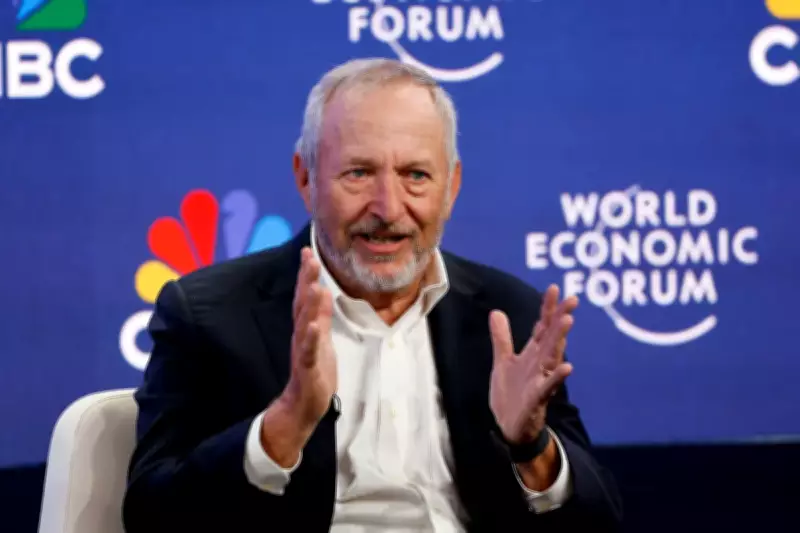
Former Harvard President Larry Summers Steps Down Amid Epstein Controversy
Larry Summers, the former U.S. Treasury Secretary and one-time president of Harvard University, has announced his decision to retire from his teaching position at Harvard at the conclusion of the current academic year. This move comes as intense scrutiny persists regarding his historical connections to the late convicted sex offender, Jeffrey Epstein.
In a formal statement released on Wednesday, Summers expressed, "I have made the difficult decision to retire from my Harvard professorship at the end of this academic year." This announcement marks a significant development in a saga that has drawn considerable public and institutional attention.
Background of the Controversy
The controversy surrounding Summers escalated following the release of documents by the U.S. House Oversight Committee, which detailed personal correspondence between him and Epstein. These revelations have sparked widespread criticism and debate within academic and public circles.

It is important to note that, despite the ongoing investigations and public outcry, no concrete evidence of any wrongdoing by Summers has been presented to date. However, the association alone has prompted serious repercussions for his professional standing.
Previous Steps and Institutional Responses
In November, Summers had already initiated a step back from his teaching responsibilities and taken a leave of absence from his leadership role at Harvard. This action coincided with the university's announcement of a comprehensive review of individuals named in government-released files related to Epstein.
A spokesperson for Harvard University confirmed that the dean of the Harvard Kennedy School has accepted Summers' resignation from his position as co-director of the Mossavar-Rahmani Center for Business and Government. Summers will remain on leave until his formal retirement from all academic and faculty roles at the end of the school year.
Broader Implications and Other Resignations
The fallout from this controversy has extended beyond Harvard. In November, Summers also resigned from the board of OpenAI, the prominent developer behind ChatGPT, following Harvard's review announcement. At that time, he publicly stated that he was "deeply ashamed" of his actions and intended to withdraw from public commitments to focus on mending relationships with those close to him.
This series of events underscores the profound impact that associations with controversial figures can have on high-profile academic and professional careers, even in the absence of proven misconduct.