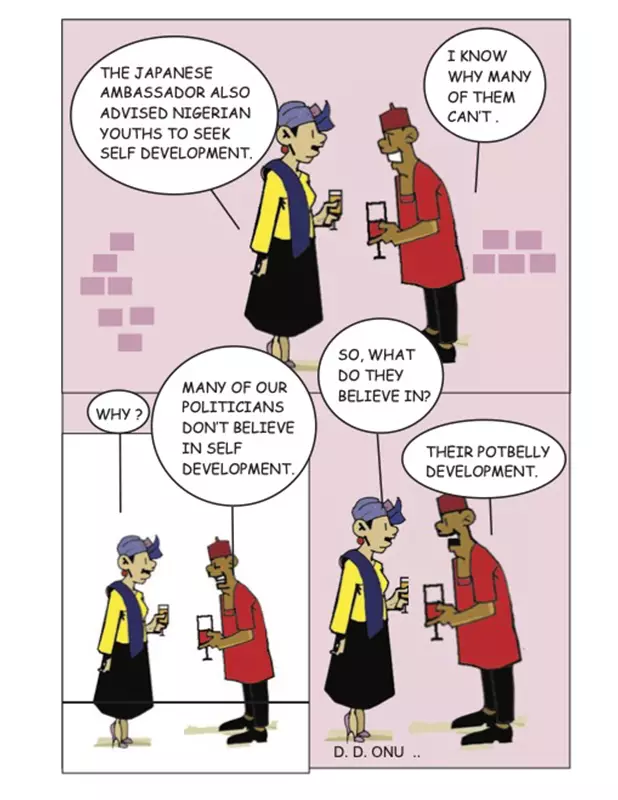
A recent editorial cartoon by a prominent Nigerian artist has ignited a firestorm of discussion across the nation's media landscape and social platforms. The work, titled 'Cartoon 519' by the acclaimed cartoonist Akinwunmi, uses powerful visual satire to critique contemporary socio-political realities, resonating deeply with a wide audience.
The Visual Narrative and Its Provocative Message
The cartoon, published in a major national newspaper, employs Akinwunmi's signature style of sharp imagery and minimal text to convey a complex message. It depicts scenes that many Nigerians find familiar, highlighting the stark contrasts between political promises and the lived experiences of ordinary citizens. The central imagery is both humorous and poignant, serving as a mirror to society's frustrations and aspirations.
Specific panels within 'Cartoon 519' tackle issues ranging from economic hardship and infrastructure deficits to questions of accountability and leadership. The artist's ability to condense these multifaceted challenges into a single, cohesive visual story is what has captured the public's imagination. The number '519' itself has become a subject of speculation, with some interpreting it as a coded reference to a specific date or policy, adding an extra layer of intrigue to the work.

Public Reaction and Viral Spread
Since its publication, the cartoon has transcended the traditional newspaper page. It has been widely shared on social media platforms like Twitter, Facebook, and WhatsApp, where it has generated thousands of comments, shares, and reactions. The public response has been overwhelmingly vocal, with many citizens praising the cartoonist for "speaking truth to power" and articulating shared sentiments that are often difficult to express.
However, the reaction has not been monolithic. Some viewers have offered alternative interpretations of the symbolism, while a minority have criticized the approach as overly cynical. This spectrum of responses underscores the cartoon's success in stimulating dialogue rather than delivering a monolithic message. It has become a reference point in everyday conversations, in offices, markets, and public transport, demonstrating the enduring power of visual commentary in Nigerian public discourse.
The Role of Editorial Cartooning in Nigerian Democracy
This incident highlights the critical and evolving role of editorial cartoonists in Nigeria's democracy. Figures like Akinwunmi function as social commentators and watchdogs, using art to hold a mirror to society and its leaders. In a climate where direct criticism can sometimes be fraught, satire and visual metaphor become powerful tools for critique and engagement.
The viral nature of 'Cartoon 519' also reflects the changing media consumption habits in Nigeria. Content that resonates quickly moves from print to digital, achieving a national reach within hours. This phenomenon amplifies the impact of traditional editorial art, ensuring it reaches a younger, tech-savvy demographic that might not regularly engage with physical newspapers.
In conclusion, the 'Cartoon 519' phenomenon is more than just a moment of viral fame for a single artwork. It is a testament to the public's hunger for insightful commentary and a demonstration of how art continues to shape national conversation. The debate it has sparked is likely to continue, reinforcing the importance of creative expression in examining and challenging the status quo. As long as such works continue to resonate with the everyday realities of Nigerians, editorial cartooning will remain a vital pillar of the country's vibrant and often contentious public sphere.