Nigerian Cartoonist Satirizes Political and Social Issues in Latest Work
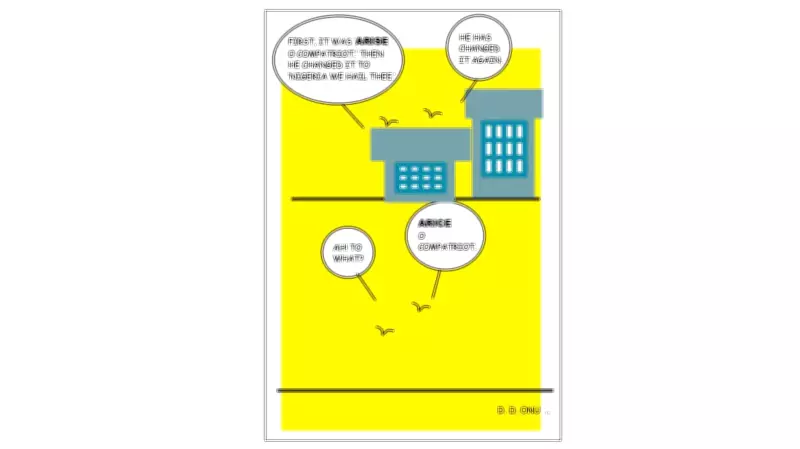
In a recent publication, a Nigerian cartoonist has employed humor and satire to critique a range of political and social issues affecting the country. The cartoon, which has gained attention online and in print media, uses visual metaphors and witty captions to highlight concerns such as political corruption, economic hardships, and societal norms.
Focus on Political Corruption and Governance
The cartoonist's work often targets political figures and institutions, depicting scenarios that expose alleged mismanagement and lack of accountability. For instance, one panel might show politicians engaging in self-serving activities while citizens struggle with basic needs, emphasizing the disconnect between leaders and the populace. This satirical approach aims to provoke thought and encourage public discourse on governance reforms.
Economic Challenges and Social Commentary
Beyond politics, the cartoon addresses economic issues like inflation, unemployment, and poverty. Through exaggerated imagery, it illustrates the daily struggles of ordinary Nigerians, such as long queues for fuel or rising food prices. Additionally, social topics like gender inequality, education gaps, and healthcare access are touched upon, using irony to shed light on systemic problems that require urgent attention.

Impact and Public Reaction
The publication has sparked mixed reactions, with many praising the cartoonist for courageously addressing sensitive topics in a lighthearted manner. Supporters argue that satire serves as a powerful tool for social critique, helping to raise awareness and hold leaders accountable. However, some critics caution that such depictions could oversimplify complex issues or offend certain groups. Despite this, the cartoon has contributed to ongoing conversations about Nigeria's development and the role of media in shaping public opinion.
Historical Context of Cartooning in Nigeria
Cartooning has a long tradition in Nigeria, dating back to colonial times when it was used to comment on political events and social changes. Over the years, cartoonists have played a vital role in the media landscape, often acting as watchdogs by exposing corruption and advocating for justice. This latest work continues that legacy, blending artistic expression with journalistic integrity to engage audiences on critical national matters.
In summary, the cartoonist's latest publication serves as a mirror to society, using satire to reflect on Nigeria's political and social realities. By combining humor with sharp critique, it encourages citizens to question the status quo and demand better governance, while also highlighting the enduring power of art in fostering dialogue and change.