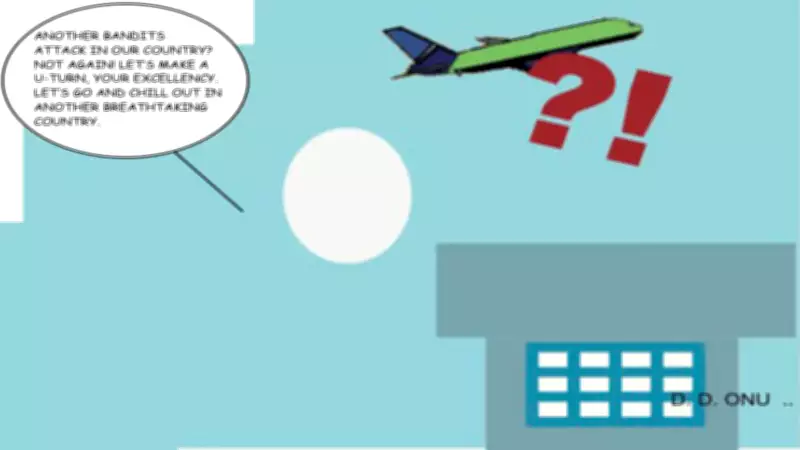
Nigerian Cartoonist's Satirical Take on Current Affairs Sparks Debate
A recent cartoon published in a prominent Nigerian newspaper has captured widespread attention for its incisive and humorous portrayal of current political and social issues. The artwork, which serves as a form of visual satire, cleverly critiques various aspects of national life, from governance challenges to everyday societal concerns. By using exaggerated characters and witty scenarios, the cartoonist aims to provoke thought and encourage public reflection on pressing matters affecting the country.
Public Reactions and Mixed Responses
The cartoon has elicited a range of reactions from readers and observers across Nigeria. Many have praised the artist for their boldness and creativity in addressing sensitive topics through humor, noting that satire can be a powerful tool for social commentary and accountability. Supporters argue that such cartoons help to demystify complex issues and make them more accessible to a broader audience, fostering informed discussions.
However, some critics have expressed concerns about the potential for misinterpretation or offense, suggesting that satire might oversimplify nuanced problems or alienate certain groups. Despite these differing views, the cartoon has undeniably sparked lively debates on social media platforms and in public forums, highlighting its impact on national discourse.

The Role of Satire in Nigerian Media
This incident underscores the significant role that satire and cartooning play in Nigerian media and culture. Historically, cartoonists in Nigeria have used their art to comment on political developments, economic policies, and social trends, often serving as a voice for the people in times of controversy or change. By blending humor with critique, they provide a unique perspective that complements traditional news reporting.
Experts note that satire can act as a check on power, encouraging transparency and responsiveness from leaders. In a democratic society like Nigeria, such artistic expressions contribute to a vibrant public sphere where diverse opinions can be aired and debated. The recent cartoon is part of this longstanding tradition, demonstrating how visual art continues to influence public opinion and policy discussions.
Broader Implications for Freedom of Expression
The debate surrounding the cartoon also touches on broader issues related to freedom of expression and artistic freedom in Nigeria. While the country has a relatively free press, artists and journalists sometimes face challenges when their work is perceived as critical of authorities or sensitive topics. This cartoon's reception highlights the delicate balance between creative expression and social responsibility.
Advocates for free speech emphasize the importance of protecting such forms of commentary, arguing that they are essential for a healthy democracy. They call for continued support for cartoonists and other artists who use their platforms to engage with societal issues, ensuring that diverse voices are heard in the national conversation.
In conclusion, the recent cartoon serves as a reminder of the power of satire to illuminate and critique, sparking important discussions that resonate across Nigerian society. As the country navigates various challenges, such artistic contributions will likely remain a vital part of the media landscape, encouraging reflection and dialogue among citizens.