Nigerian Cartoonist's Satirical Take on Current Affairs Sparks Debate
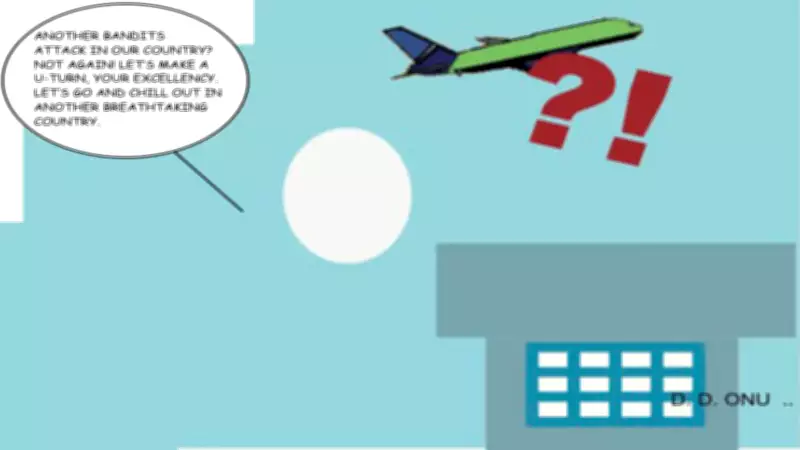
A recent cartoon published in a major Nigerian newspaper has ignited a lively debate across the country, as it uses humor and satire to comment on pressing political and social issues. The artwork, created by a local cartoonist, depicts various scenes that cleverly mock government policies, economic challenges, and societal norms, resonating with many citizens who see it as a sharp critique of the status quo.
Public Reactions and Mixed Responses
The cartoon has drawn a wide range of reactions from the public. Some viewers praise it for its boldness and wit, arguing that satire is an essential tool for holding leaders accountable and fostering dialogue in a democratic society. They appreciate how the cartoonist uses visual metaphors to highlight issues like corruption, inflation, and security concerns, making complex topics more accessible to the average person.
However, others have criticized the cartoon as being too harsh or divisive, suggesting that it might undermine national unity or disrespect authority. Critics argue that while satire has its place, it should be balanced with constructive criticism to avoid fueling negativity or polarization. This debate reflects broader tensions in Nigeria over freedom of expression and the role of media in shaping public opinion.

The Role of Satire in Nigerian Media
Satirical cartoons have a long history in Nigerian media, often serving as a mirror to society by exposing hypocrisy and inefficiencies in governance. This latest piece continues that tradition, using exaggerated characters and scenarios to provoke thought and discussion. Experts note that such cartoons can be powerful in raising awareness and encouraging civic engagement, especially in a country where many people rely on visual media for information.
In recent years, Nigerian cartoonists have gained prominence for their ability to tackle sensitive topics with humor, often navigating censorship and political pressure. This cartoon is seen as part of a growing trend where artists use their platforms to comment on national affairs, contributing to a vibrant cultural landscape that blends entertainment with social commentary.
Impact on National Discourse
The cartoon's release has sparked conversations in both online and offline spaces, with many Nigerians sharing their interpretations and opinions on social media. It has also prompted discussions among policymakers and civil society groups about the importance of satire in promoting transparency and accountability. Some argue that such works can help bridge gaps between the government and the governed by highlighting issues in a relatable way.
As the debate continues, the cartoon serves as a reminder of the power of art to influence public discourse. Whether viewed as a humorous critique or a controversial statement, it underscores the dynamic nature of Nigerian society, where diverse voices contribute to ongoing dialogues about governance, culture, and progress.