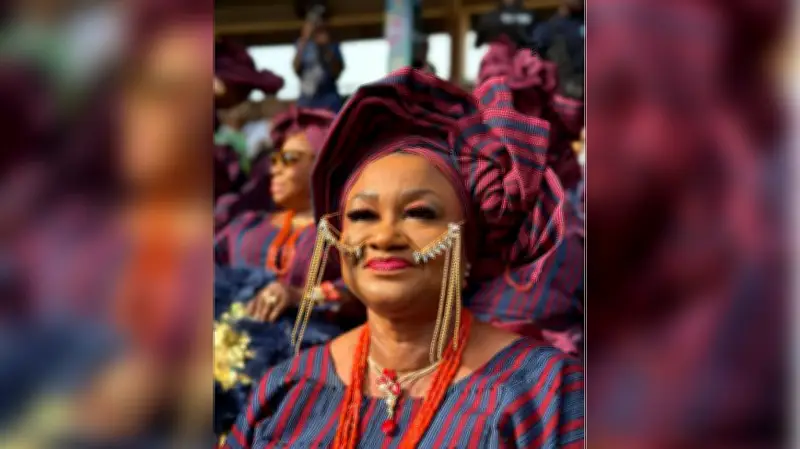
The images from the 2026 Ojude Oba Festival travelled far beyond Ijebu-Ode. For several days, social media platforms were dominated by colourful processions, horse-riding displays, elaborate fashion, and a celebration of Yoruba heritage that attracted attention from across Nigeria and the diaspora. Hotels operated at capacity, local businesses reported increased patronage, and the festival once again demonstrated its ability to draw thousands of visitors into a single community.
For many observers, Ojude Oba was a celebration of culture. But it was also an economic event. Behind every photograph, performance, and procession was a network of economic activity involving transport operators, fashion designers, event planners, food vendors, hoteliers, artisans, security providers, photographers, and countless small businesses that benefited from the influx of visitors.
Beyond Celebration: The Economics of Culture
Economic development conversations often focus on infrastructure, manufacturing, agriculture, technology, and foreign direct investment. These sectors remain critical. Yet one of the most overlooked drivers of economic activity is the ability of a place to attract people. Whenever people travel, they spend. They spend on accommodation, transportation, food, entertainment, retail products, cultural experiences, and local services. This spending creates opportunities for businesses, generates income for households, and stimulates economic activity within communities.

Successful festivals create exactly this effect. The economic impact often extends well beyond the duration of the event itself. Increased visibility can attract future visitors, strengthen local brands, encourage investment, and position communities as destinations rather than merely locations. In this sense, cultural festivals perform many of the same functions associated with more traditional economic development initiatives. They create demand, generate income, support entrepreneurship, and enhance the attractiveness of places. The difference is that they do so using assets that communities already possess: their history, traditions, stories, and identity.
What Detty December Has Taught Us
Few examples illustrate this more clearly than the emergence of Detty December in Lagos. Over the past decade, Lagos has evolved into one of Africa's most visible cultural destinations during the end-of-year season. Music festivals, concerts, fashion events, exhibitions, nightlife experiences, and cultural gatherings have transformed December into a major tourism period. The economic implications have been significant. Hotels, airlines, restaurants, transport operators, event companies, and creative enterprises benefit from the influx of visitors, particularly members of the Nigerian diaspora who travel home during the festive season.
The phenomenon has demonstrated an important principle: people are willing to travel considerable distances and spend substantial amounts of money when culture, identity, and experience are packaged effectively. What makes this lesson particularly important is that it is not unique to Lagos. The same principle can be applied across communities of different sizes. The challenge is not whether cultural tourism can create economic value. The challenge is whether more communities can position themselves to capture it.
Why Traditional Institutions Matter
This is where traditional institutions become especially relevant. Across Nigeria, traditional rulers remain custodians of some of the country's most valuable cultural assets, and they can also serve as platforms for local economic development. This form of development does not always require large-scale government intervention or significant borrowing. Instead, it depends on leadership, consistency, partnerships, and the effective mobilisation of existing cultural assets.
One answer can be found in the legacy of the late Oba (Dr.) Samuel Adegboyega Osunbade, Adeyelu 11, FCA, FCIS, Olugbon of Orile Igbon. Professionally, Oba Osunbade was a distinguished chartered accountant, entrepreneur, hotelier, and administrator before ascending the throne. Those who worked with him often described him as a disciplined institution-builder who brought professional experience and strategic thinking into traditional leadership.

His reign demonstrated that cultural preservation and economic development need not exist in separate spheres. Like many traditional rulers, he understood the importance of protecting the heritage of his people. What distinguished his approach, however, was an appreciation of how cultural heritage could also contribute to community advancement. Throughout his reign, he worked consistently to elevate the profile of Orile-Igbon, improve its visibility, and strengthen its economic prospects.
The annual Olugbon Festival became part of this broader vision. The festival served its traditional purpose as a celebration of history, identity, and communal belonging. But it also performed an important economic function. Each year, it created opportunities for indigenes to return home, encouraged visitors from neighbouring communities and beyond, generated commercial activity for local businesses, and provided a platform through which Orile-Igbon could project itself to wider audiences.
This is an aspect of cultural festivals that is often overlooked. For many rural and semi-urban communities, opportunities to attract significant numbers of visitors are relatively limited. Festivals in this sense become more than cultural occasions. They become marketplaces, networking platforms, tourism products, and opportunities to showcase local potential. Under Oba Osunbade's leadership, the festival reflected the fact that communities can create development opportunities by investing in their cultural assets.
Building Local Economies Through Identity
The broader significance of cultural festivals lies in their ability to transform identity into economic activity. When visitors attend a festival, they do not only consume culture. They consume goods and services associated with that culture. They purchase locally made products. This creates a multiplier effect that extends beyond the event itself. For young people, festivals can create entrepreneurial opportunities in fashion, media, entertainment, hospitality, logistics, and digital marketing. For artisans and small businesses, they create access to customers. For communities, they generate visibility that can attract future investment. For governments, they offer a pathway to local economic growth that builds upon existing cultural strengths.
In many respects, cultural festivals function as temporary economic ecosystems. The more effectively they are organised, the greater their potential impact.
A National Opportunity
There is growing recognition of culture's economic importance at the national level. Recent efforts by the Federal Ministry of Art, Culture, Tourism and the Creative Economy have sought to position Nigeria's cultural and creative assets as drivers of economic growth, international visibility, and tourism development. This shift reflects an important reality: Nigeria possesses one of the richest concentrations of cultural heritage on the African continent. Its festivals, traditional institutions, historical sites, languages, music, fashion, cuisine, and artistic traditions constitute a significant competitive advantage.
Unlike many economic assets, these resources already exist. The challenge is not creating them. The challenge is organising, preserving, promoting, and monetising them responsibly. What is often missing is a deliberate recognition that culture itself can be an economic asset. The success of Ojude Oba, the growth of cultural tourism in Lagos, and the legacy of leaders such as Oba (Dr.) Samuel Adegboyega Osunbade all point toward the same conclusion: when culture is preserved, organised, and strategically promoted, it creates value and attracts visitors and investment.