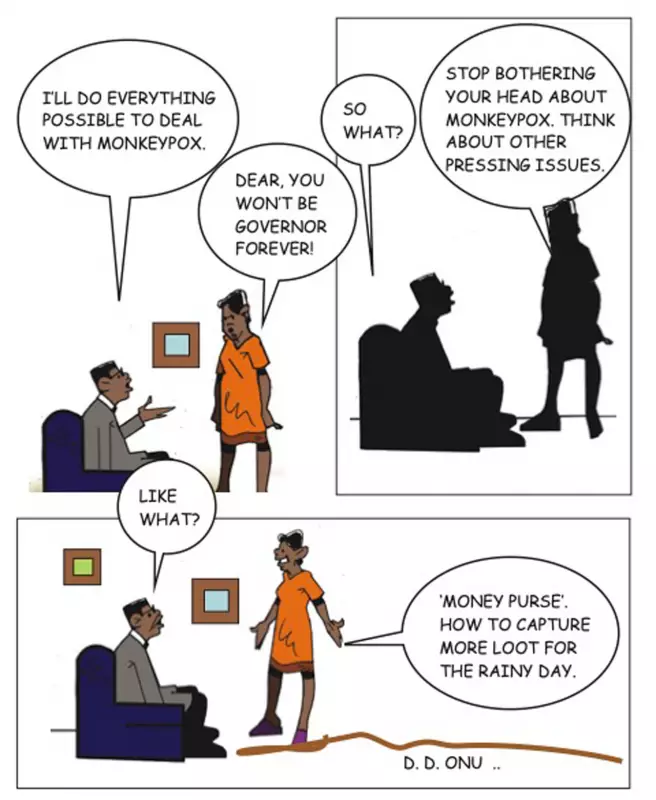
The editorial cartoon remains one of the most potent forms of journalistic expression, using wit and imagery to cut to the heart of complex national issues. The latest offering, Cartoon 530 from The Guardian Nigeria, continues this rich tradition, presenting a visual commentary that demands a closer look. This piece of art is not merely for amusement; it is a mirror held up to society, reflecting the triumphs, tribulations, and absurdities of the contemporary Nigerian experience.
Deconstructing the Visual Narrative
While the specific visual elements of Cartoon 530 are proprietary to The Guardian, the genre's conventions allow for an analysis of its likely components and intent. A typical Nigerian editorial cartoon of this calibre would weave together recognizable symbols and characters to construct its argument. The artist likely employs familiar imagery—perhaps figures representing political authority, symbols of economic struggle like the Naira or fuel pumps, or motifs of infrastructure and security—to build a scene ripe with meaning.
The power of such a cartoon lies in its ability to condense a week's worth of headlines into a single, impactful frame. It operates on multiple levels: a surface-level joke for the casual observer and a deeper, more nuanced critique for the engaged citizen. The artist acts as a visual philosopher, using exaggeration and irony to highlight contradictions between official promises and public reality, or to underscore the human cost of policy decisions.

The Role of Satire in Nigerian Public Discourse
In a media landscape often crowded with verbose analysis and partisan reporting, the editorial cartoon offers a unique and accessible form of critique. Publications like The Guardian have long utilized this space to contribute to national conversation. Cartoon 530 sits within this important lineage, serving as a civic check and a form of accountability through art.
This form of satire is essential because it can bypass certain barriers. It can communicate potent messages to a wide audience, including those who might not engage with long-form opinion pieces. The humor, often laced with sarcasm, makes the medicine of criticism easier to swallow, yet the aftertaste is one of reflection. It gives voice to public sentiment—frustration, hope, resilience, or disillusionment—in a manner that is both immediate and memorable.
Interpreting the Message for Today's Nigeria
To fully appreciate a cartoon like this, one must consider the context of its publication. The issues it tackles are undoubtedly drawn from the front pages and lived experiences of Nigerians. It might be commenting on the fluctuating economic climate, the complexities of national security challenges, the drama of political realignments, or the enduring spirit of the Nigerian people amidst hardships.
The true measure of Cartoon 530's success is not just in the chuckle it might provoke, but in the conversation it sparks afterwards. A successful editorial cartoon lingers in the mind, its imagery becoming a shorthand for a particular issue or event. It invites readers to pause and decode, to connect the dots between the drawn scene and their daily lives. In doing so, it fulfills a core function of journalism: to inform, to provoke thought, and to encourage a more critically engaged citizenry.
Ultimately, The Guardian's Cartoon 530 is more than just a drawing; it is a historical document. It captures the mood and concerns of a specific moment in Nigeria's journey. As with all great satire, its relevance may evolve, but its value as a snapshot of public sentiment at the time of its creation remains indelible. It stands as a testament to the enduring power of visual journalism to challenge power, question narratives, and reflect the soul of a nation.