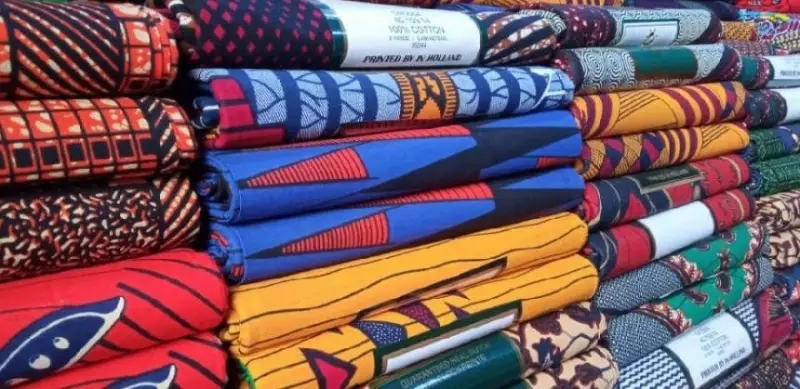
The urgent need for strategic policies and a united front to breathe new life into Nigeria's textile sector took centre stage at the official launch of the 2025 Festival of Made in Nigeria Textile (FESTMiNT25). The event, held in Abuja, brought together creatives, entrepreneurs, and industry leaders who issued a powerful call to action.
A Celebration of Heritage and a Call for Economic Action
The festival was inaugurated with a strong message from the president of Made In Nigeria Textile (MINT), Dr. Uche Ibeh. Represented by Ambassador Dockson Omoregie, the Director of the Institute for Cultural Diplomacy, Dr Ibeh framed FESTMiNT25 as more than a cultural display. She described it as a vital platform to celebrate Nigeria's resilient creative spirit and to drive tangible economic progress.
"I firmly believe that our culture is a valuable asset, creativity is the new oil, and innovation shapes our future," Dr Ibeh stated. "This festival is an initiative for action. It's about creating opportunities, building partnerships, and driving economic growth through our creative industries." She emphasised the goal of positioning Nigeria as a global hub for innovation and excellence in textiles.

High-Profile Endorsements and a Plea for Local Patronage
The gathering received significant backing from prominent figures. Dr Elizabeth Egbetokun, wife of the Inspector General of Police, served as the mother of the day and passionately urged Nigerians to actively choose locally made textiles. She directly linked this consumer choice to national development goals.
"Choosing made-in-Nigeria textiles would contribute significantly to President Bola Tinubu’s administration’s agenda for job creation and poverty alleviation," Dr Egbetokun asserted. She reaffirmed her personal commitment to championing Nigerian art, culture, and heritage.
International support was also evident. The Ambassador of Ireland to Nigeria, Ambassador Peter Ryan, highlighted the shared values between both nations in preserving culture. He offered Ireland's experience in developing local textiles and fashion as a potential resource for Nigeria and expressed openness to fostering collaborative partnerships.
Industry Leaders Highlight Challenges and Readiness for Collaboration
The practical challenges facing the sector were laid bare by Dr Hamma Kwajarfa, the Director General of the Nigeria Textile Manufacturers Association. He voiced a critical concern regarding the prevailing consumer mindset that favours foreign textiles over local alternatives.
"We are capable of producing fabric from indigenous cotton, yet many Nigerians opt for foreign fabrics made from harmful polyester," Dr Kwajarfa noted. He called for a decisive shift in public preference and appealed for government support to restore the industry's past glory as a major employer of labour. He confirmed the Association's readiness to work with the Ministry of Art, Culture, and Creative Economy on this mission.
The consensus at the FESTMiNT25 launch was clear: unlocking the vast economic potential of the textile industry requires:
- Strategic government policies and supportive initiatives.
- A collaborative effort among all stakeholders, including creatives, manufacturers, and policymakers.
- A fundamental change in consumer mindset to embrace and patronise locally made products.
Experts believe that by tapping into the strengths of Nigeria's creative sectors through this united approach, the textile industry can be revitalised to become a powerful engine for sustainable economic development and job creation for the nation.