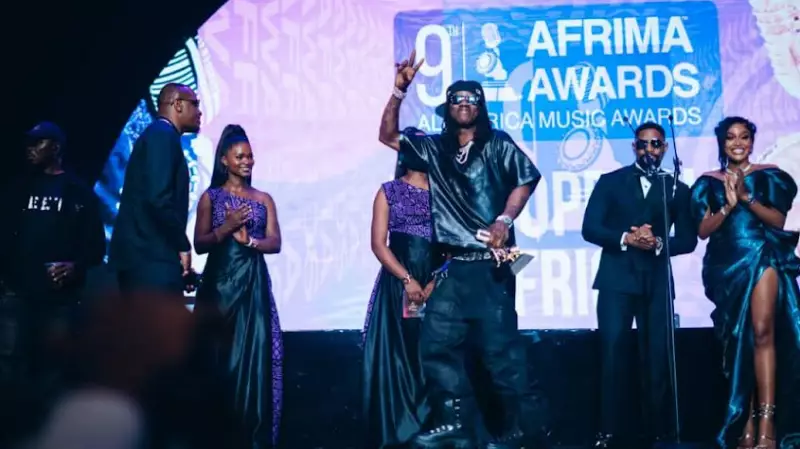
The 9th edition of the All Africa Music Awards, AFRIMA 9, descended upon Lagos, Nigeria's entertainment capital, with immense promise and expectation. Branded as Africa's premier music awards platform, this homecoming event aimed to be a grand celebration of the continent's sound and culture. While it delivered its strongest outing yet, the week-long festivities, which ran from Thursday, January 8, to the main ceremony, left a complex legacy of dazzling highs and undeniable lows.
The Brilliance: Summit Success and the Unforgettable Music Village
The event's intellectual core, the Africa Music Business Summit (AMBS) held on Thursday, January 8, at Eko Hotel and Suites, proved to be a significant achievement. It served as a crucial think-tank where policy, commerce, and creativity intersected. The summit's strength lay in its diverse perspectives, gathering stakeholders from across the continent to tackle pressing issues like digital distribution, revenue royalties, copyright enforcement, and cross-border collaboration.
Panels such as 'Global Media and Music: The Missing Link for Africa' and fireside chats on funding the music ecosystem provided practical insights. A recurring and vital theme was the urgent need for intra-African collaboration, harmonising laws and strengthening regional markets to unlock the industry's full potential.

However, the week's most authentic triumph was the Music Village concert on Friday, January 9, at the Ikeja City Mall precinct in Alausa. This event masterfully captured the raw, communal energy of African music. The lineup was a true pan-African showcase, featuring everything from Afrobeats and Amapiano to Francophone pop and East African rhythms.
The sound quality was commendable, and the energy was electric. Highlights included hypeman Do2dtun's dramatic entrance and a politically charged, musically disciplined performance by Afrobeat legend Femi Kuti. For many, Kuti's set was the night's most complete artistic statement, reminding everyone of music's deeper purpose.
The Flaws: Execution Stumbles and Ceremony Shortfalls
Despite its quality dialogue, the AMBS was not without faults. Several sessions felt rushed, lacking depth, and suffered from inconsistent time management. A noticeable gap existed between conversation and actionable outcomes, with few concrete frameworks or follow-up mechanisms proposed. This risks summit fatigue for a continent in need of solutions, not just repeated discussions.
The main awards ceremony, intended as the week's climax, unfortunately failed to meet expectations. It was plagued by glaring production lapses, frequent delays, and disjointed transitions that broke the event's momentum. Presenters often appeared unsure, hinting at backstage communication gaps.
The red carpet, hosted by Kenyan actress Claudia Naisabwa, underperformed, missing key talking points and failing to properly recognise dignitaries like AFRIMA patron Bisi Onasanya (former GMD/CEO of First Bank Nigeria Plc.), legendary flutist Tee Mac Omashola Itseli, and broadcaster Dayo Adeneye.
Errors That Stole the Spotlight
Beyond poor execution, AFRIMA 9 suffered embarrassing errors. Incorrect graphics, poorly labeled categories, and visible confusion during winner announcements sparked murmurs in the hall and instant criticism online. In the digital age, such mistakes quickly snowball, damaging an award's credibility.
Some winners reportedly had their moment diluted by awkward pauses or inadequate stage time. Backstage reports pointed to poor communication between teams, painting a picture of an operation stretched beyond its limits. The accumulation of these small failures created an atmosphere of avoidable chaos.

In conclusion, AFRIMA 9 was far from a failure but equally far from flawless. It brilliantly showcased the power and diversity of African music through the AMBS and Music Village. Yet, it simultaneously revealed critical gaps in execution and production for its flagship ceremony. As African music commands global attention, its biggest platforms must evolve beyond ambition to master meticulous execution. The vision is necessary, but the task ahead is clear: transform discussion into measurable results and ensure the spectacle matches the substance of the continent's extraordinary talent.