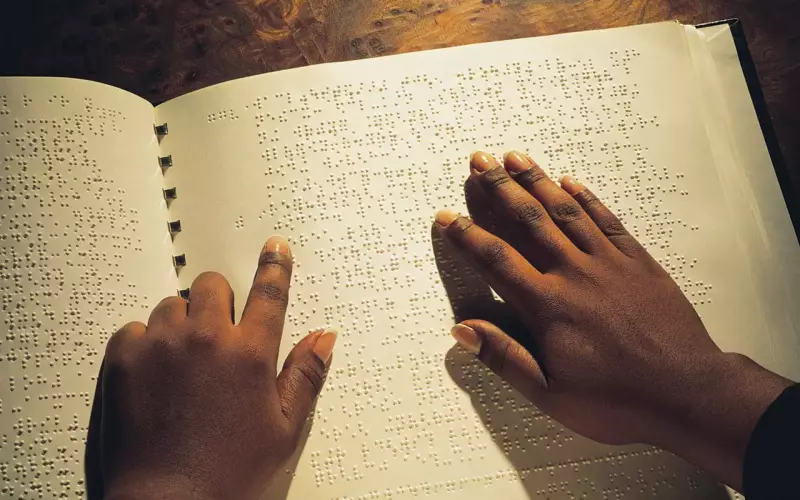
The Nigerian Copyright Commission (NCC) has made a powerful renewed pledge to champion a copyright system that is equitable, balanced, and humane. This commitment, announced to mark World Braille Day, aims to protect authors while ensuring learning materials become accessible to the nation's blind and print-disabled community.
A Vision for Inclusion and Accessibility
Dr. John Asein, the Director-General of the NCC, unveiled this stance on the occasion of World Braille Day, observed on January 4, 2026. He stated that the Commission joins the global community in commemorating the day, which celebrates Braille as a transformative innovation for literacy, independence, and human dignity.
Dr. Asein emphasized that this year's focus on inclusion, bridging digital divides, and advancing educational accessibility aligns perfectly with the NCC's long-term advocacy. "Braille has empowered blind and visually impaired persons to access knowledge, participate fully in education, and live with dignity," he noted.

Confronting the Acute 'Book Famine' in Nigeria
The Director-General presented a stark picture of the current reality, describing a profound 'book famine' in the country. He revealed that available studies show less than one per cent of published materials in Nigeria are available in accessible formats like Braille, audio, or screen-reader friendly digital text.
"As we have consistently emphasised, access to knowledge is a right, not a privilege," Asein declared. He warned that the cost of this inaccessibility extends beyond social exclusion to cause long-term damage to education, employment prospects, and the inclusion of print-disabled persons in national development.
The Copyright Act 2022 and the Path Forward
Dr. Asein highlighted the pivotal role of the Copyright Act of 2022 in addressing this crisis. The Act represents a major shift from a charity-based model to a rights-based framework for inclusion. A key provision is the domestication of the Marrakesh Treaty through Section 26, which expressly allows for the reproduction, distribution, and cross-border exchange of works in accessible formats for print-disabled persons.
"Under the banner 'Let the Blind Read', we reaffirm our belief that the copyright system must serve not only creators and markets, but also learners, students, and readers with print disabilities," he stated.
The Act also establishes safe-harbour protections for Authorised Entities, ensuring access is enabled lawfully and builds trust across the book value chain. To strengthen this, the NCC has issued new guidelines to provide clarity, transparency, and safeguards for producing and disseminating accessible-format copies.
The Commission is confident these measures will encourage institutional participation, rebuild rights holders' confidence, and significantly increase the availability of books in Braille and other formats. This regulatory effort will be supported by sustained advocacy, awareness campaigns, and capacity-building initiatives for publishers, libraries, and educational institutions.