Nigeria's Banned Books: A Comprehensive List of Censored Literary Works
Books have historically occupied a central position in debates surrounding freedom of speech, functioning simultaneously as powerful voices for marginalized communities and frequent targets of governmental and cultural censorship. In Nigeria, numerous acclaimed authors have encountered bans and restrictions on their publications, with their works suppressed for a variety of political, moral, and cultural reasons. This article delves into the detailed stories behind these prohibited texts, illuminating the persistent conflict between artistic expression and institutional control within the nation's literary landscape.
The Nature and Impact of Literary Censorship
Censorship fundamentally involves the regulation or suppression of information and ideas that would typically circulate freely within society. This practice frequently targets books deemed objectionable on moral, political, or social grounds. While censorship can occasionally serve protective purposes, such as shielding young audiences from explicit material, it becomes problematic when employed to silence dissenting voices and curtail fundamental freedoms of expression. The Nigerian context reveals how censorship has been utilized to shape historical narratives and control public discourse.
Notable Banned Books by Renowned Nigerian Authors
According to academic researcher Emmanuel Ifeduba from Redeemer's University, several significant works by popular Nigerian writers have faced official bans:

Things Fall Apart by Chinua Achebe
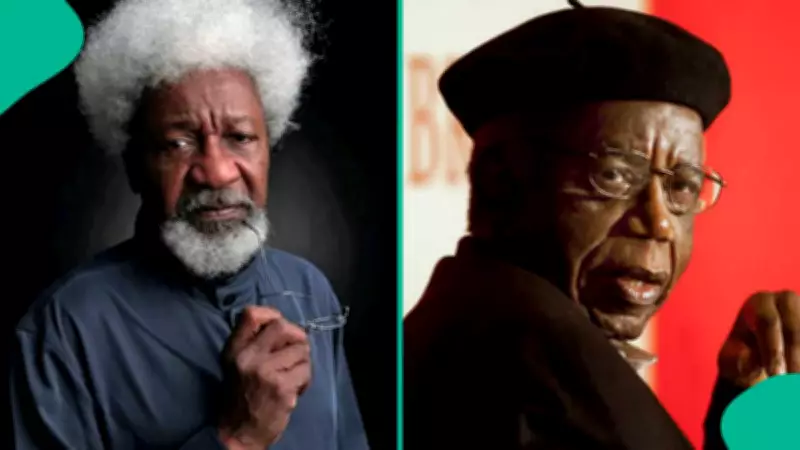
Chinua Achebe's Things Fall Apart stands as one of Africa's most celebrated and influential novels. The book meticulously examines the profound effects of British colonialism and Christian missionary activities on traditional Igbo society. Its critical perspective on colonial exploitation led to its prohibition in Malaysia, another former British colony. Additionally, the novel became embroiled in legal controversy in 2011 when American rapper 50 Cent attempted to title his film All Things Fall Apart. The Chinua Achebe Foundation initiated a lawsuit demanding $200,000, ultimately compelling the artist to alter the film's title.
The Man Died by Wole Soyinka
Published in 1972, Wole Soyinka's The Man Died provides a harrowing firsthand account of his imprisonment during the Nigerian Civil War from 1967 to 1970. Soyinka openly condemned the genocide against the Igbo population and expressed support for the Biafran cause, resulting in his arrest and subsequent solitary confinement. The Nigerian government officially banned the book, alleging libelous content. However, analysts widely interpret this ban as part of a broader governmental effort to suppress alternative narratives regarding the state's involvement in the civil war.
Extensive List of Censored Works in Kano State
Researcher Emmanuel Ifeduba further identifies multiple Nigerian literary works that have undergone censorship in Kano State for reasons spanning morality to politics. This comprehensive list includes:
- Sin is a Puppy that Follows You Home by Balarabe Ramat Yakubu
- Season of Crimson Blossoms by Abubakar Adam Ibrahim
- Alhaki Kuykuyo Me by Balarabe Ramat Yakubu
- Mugun Zarma by Anty Bilkin Funtua
- Vultures in the Air by Zaynab Alkali and Al Infeld
- Kaico by Ado Ahmad
- Ku Rike Kissa Matta by Hadiza Sani Garba
- Cikan Fanciki by Hadiza Sani Garba
- Me Yafi Wannan? by Hadiza Sani Garba
- The Initiates by Zaynab Alkali
- The Whispering Trees by Abubakar Adam Ibrahim
- City of Memories by Richard Ali
The Ongoing Tension Between Expression and Control
The systematic banning of Nigerian literary works underscores the enduring tension between protecting perceived societal values and upholding constitutional freedoms of expression. These censorship cases raise critical questions about who determines what constitutes acceptable literature and how these decisions impact cultural heritage and historical memory. The phenomenon reflects broader struggles within Nigerian society regarding governance, identity, and the boundaries of creative freedom.

Recent Literary Tributes and Cultural Context
In related cultural developments, Nobel laureate Wole Soyinka recently joined members of the Pyrates Confraternity to honor the late Biodun Jeyifo, a celebrated scholar of African literature, during farewell ceremonies in Ibadan on Wednesday, March 4. Video footage shared on social media platform X by OyoAffairs captured Soyinka alongside fellow confraternity members paying their respects. Jeyifo, an emeritus professor, was remembered for his exceptional intellect and vibrant personality, with Soyinka sharing nostalgic anecdotes about their shared student experiences at the University of Ibadan that highlighted his colleague's brilliance and distinctive character.
The persistent censorship of Nigerian literature continues to spark important conversations about artistic freedom, historical accountability, and the role of literature in shaping national consciousness. As authors navigate these restrictions, their banned works often gain symbolic significance, representing resistance against suppression and the enduring power of the written word to challenge authority and preserve alternative perspectives.