Yinka Ayefele Breaks Silence Amid Beautiful Nubia's Melody Theft Allegation
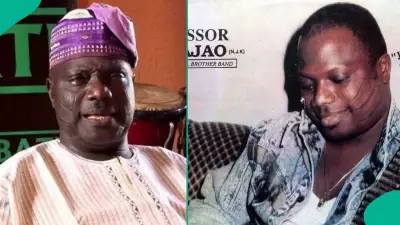
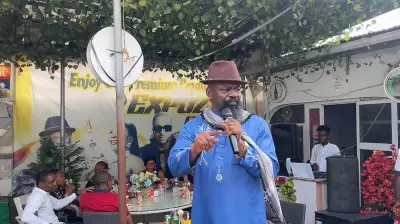
Veteran gospel musician Yinka Ayefele has finally broken his silence following a serious melody theft accusation made against him by popular folk musician Segun Akinlolu, widely known as Beautiful Nubia. The controversy has ignited widespread discussions about intellectual property rights and creative ownership within Nigeria's vibrant music industry.
The Allegation and Ayefele's Response
Beautiful Nubia recently sparked significant reactions across social media platforms after publicly accusing Ayefele, along with fast-rising singer BBO, of infringing on the copyright of his acclaimed song 'Seven Lifes.' The folk musician alleged that both artists had improperly used elements from his composition without proper authorization or acknowledgment.
In what appears to be a direct response to these serious allegations, Yinka Ayefele took to his social media accounts to reshare the music video for his 2012 track 'My Faith in God (Igbagbo Ireti)'. This particular song was one of the two compositions specifically mentioned by Beautiful Nubia in his Friday, February 20 accusation. Ayefele accompanied the video with a caption that simply stated: "My Faith in God" Igbagbo ireti...from my Album GOOGNESS OF GOD.

Additional Context and Industry Reactions
Further amplifying his response, another old music video was shared through Ayefele's official Facebook fan page. This additional content was reportedly posted in response to critics who have previously accused the gospel artist of appropriating musical elements from other creators. The situation has drawn parallels to another recent development where an old video surfaced showing BBO composing his song 'Amin' eight years before its official release.
The controversy has generated substantial online conversation about ownership rights and creative integrity within Nigeria's entertainment sector. Many of Ayefele's dedicated followers have rallied to his defense, while others have called for a peaceful resolution between the respected musicians.
Public Reactions and Calls for Resolution
Social media platforms have been flooded with diverse opinions regarding the unfolding situation. Several notable comments include:
- investor_gbogbo_oou expressed: "You, Beautiful Nubia and BBO are three musicians I really love. Just reach out to Beautiful Nubia and get this whole issue sorted. No need dragging each other online? You all are legends already. Ejor, e settle e."
- mc_pirol commented: "No be today dem dey sample people's song nah... if na royalties the other party wants he should come out and ask for it."
- omo_akinyele1 offered perspective: "Truth be told, the intro sounds more like seven life, Beautiful Nubia is not a dullard, He's one of those intelligent adults we have in our society. And he won't come online to chase clouts. Baba try reach out to him and sort it out."
- bash_onibalusi advised: "Please reach out to Beautiful Nubia and get this resolved within yourself, you both are legend and highly respected in the industry, I believe you can both sort this out without rancour or dragging yourselves before the court."
Broader Implications for Nigerian Music
This incident has highlighted ongoing concerns about intellectual property protection within Nigeria's creative industries. As digital platforms make content more accessible, questions about proper attribution, sampling rights, and royalty payments have become increasingly prominent. The public nature of Beautiful Nubia's accusation and Ayefele's subsequent response has brought these issues to the forefront of industry discussions.
Both artists command significant respect within Nigerian music circles, with Ayefele known for his inspirational gospel compositions and Beautiful Nubia celebrated for his folk music contributions that often address social issues. Their disagreement represents a microcosm of larger conversations happening globally about artistic ownership in the digital age.

The resolution of this matter could potentially set important precedents for how similar disputes are handled within Nigeria's entertainment industry moving forward. Many observers hope the respected musicians can find an amicable solution that respects both creative rights and their longstanding contributions to Nigerian music.