Controversial media personality Daddy Freeze has ignited a fierce online debate by questioning religious interpretations of boxer Anthony Joshua's survival in a fatal car accident. His comments come amid swirling rumours that the traumatic event may force the heavyweight champion into an early retirement.
The Tragic Accident and Its Aftermath
On December 29, 2025, Anthony Joshua was involved in a devastating collision along the Lagos-Ibadan expressway. His Lexus Jeep reportedly crashed into a stationary truck. The accident claimed the lives of two of his close associates: his personal trainer, Latif Ayodele (Latz), and his strength coach, Sina Ghami (Sina Evolve).
While Joshua physically survived the crash, reports about his emotional state began to surface following the burial of his friends. Speculation about a potential premature end to his boxing career started to circulate, suggesting the psychological impact could be severe.

Daddy Freeze's Provocative Stance
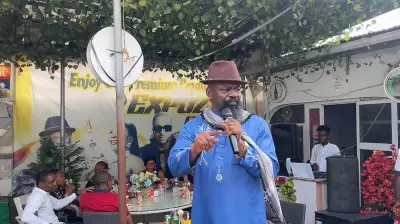
In a video shared on his Instagram page on January 6, 2026, Daddy Freeze directly challenged the widespread narrative that framed Joshua's survival as a pure act of divine intervention. He captioned the video with a poignant question that set the tone for his argument.
"What Exactly Did God Save Him From. Because This Looks Like A Career Cut Short And A Life Time Of Trauma. May The Dearly Departed Rest In Peace. This Incident Could Have Been Avoided, Carelessness Of Man Is Not Gods Will," he wrote.
In his detailed commentary, Freeze argued that simply being alive did not equate to being saved from suffering. He pointed to the survivor's guilt, potential career-ending trauma, and lifelong grief that Joshua would likely endure. He criticized what he saw as a simplistic religious view, stating, "When I said the other day that religion makes people dumb, this is what I meant... He's going to live with survivor's guilt. That's survival? Really?"
Shifting Focus to Human Responsibility
Beyond questioning theological interpretations, Daddy Freeze placed blame on human error and systemic failures. He attributed the tragedy to dangerous and indiscriminate road use in Nigeria, rather than attributing outcomes solely to divine will.
His most pointed remark came when he stated, "God didn't save him. Unless God is wicked." This assertion shifted the conversation from fate to accountability, suggesting that preventable human actions were the core cause, not a grand celestial plan.
Nigerians React: A Nation Divided
The OAP's comments triggered a flood of mixed reactions online, highlighting the deep divide in public perception. Some users supported his focus on human responsibility.
@iambolar commented, "It's scary what he would have to go through in his head for a long time... That accident was one of them. It was man-made." Similarly, @steveshow agreed with the assessment of Joshua's difficult path ahead.
However, many defended the role of faith. User @nmakweisrael countered, "He has been given a second chance, how he uses it is up to him. And yes God saved him, that's a fact you refuse to accept." Others, like @topsafo, pleaded for privacy, urging, "Let him mourn in peace."
Contrasting View: Pastor Adeboye's Perspective
Daddy Freeze's viewpoint stands in stark contrast to that of prominent cleric Pastor Enoch Adeboye, General Overseer of the Redeemed Christian Church of God. In a earlier sermon titled 'The Mercy of God', Pastor Adeboye cited the accident as a clear example of divine mercy.
He revealed that his understanding from newspaper reports was that Anthony Joshua had swapped seats with one of the deceased passengers merely minutes before the collision occurred. The pastor referenced Lamentations 3:22–23 to underscore his belief that God's merciful intervention is what ultimately spared the boxer's life.

The discourse surrounding Anthony Joshua's accident and survival continues to evolve, touching on deep themes of faith, fate, trauma, and public responsibility. As the boxer navigates his personal grief and an uncertain professional future, the court of public opinion remains passionately engaged in debating the very meaning of his survival.