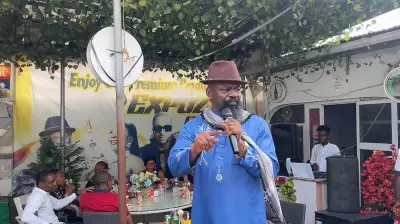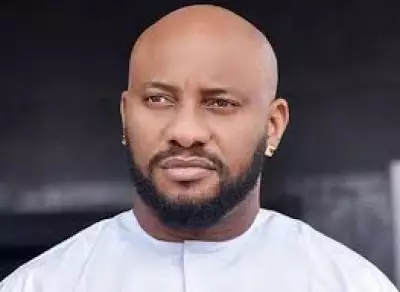
American hip-hop artist Darryl Dwayne Granberry Jr., known globally as DDG, has directly challenged widespread Western media portrayals of Nigeria as an excessively dangerous destination. The rapper, who is currently in Lagos, stated that the country is "nowhere near" as perilous as the United States in terms of violent crime.
DDG's First-Hand Account from Lagos
In a candid video shared on social media, DDG addressed the misconceptions head-on. He acknowledged that Nigeria, like many nations, faces its own security challenges. However, he drew a sharp contrast with the everyday reality in America. The rapper emphasized that the frequency and nature of gun violence and gangster-related crimes in the US are on a different, more severe scale.
"I honestly think America is the most dangerous country," DDG asserted in his online statement. He elaborated by saying, "Nigeria is not as dangerous as America — nowhere near. There's insecurity here, no doubt, but the level of gun violence and gangsterism you see in the US is different." His comments were posted on the popular blog Linda Ikeji's Instagram page on January 1, 2026.

A Call to Move Beyond Stereotypes
Going beyond mere comparison, DDG issued a clear invitation to international audiences. He encouraged foreigners and skeptics to visit Nigeria personally and form their own opinions based on direct experience. His message underscores the importance of bypassing filtered media narratives and engaging with the country's vibrant culture and people firsthand.
This perspective from a prominent US entertainer living temporarily in Lagos adds a significant voice to the ongoing discourse about Nigeria's global image. It highlights a gap between often sensationalized external reports and the lived reality noted by some visitors and residents.
The Impact of Celebrity Testimonials
Statements like DDG's carry considerable weight in shaping public perception, especially among younger, global audiences. By sharing his positive and nuanced experience from Lagos, he contributes to a more balanced narrative. His testimony serves as a counterpoint that could influence travel and investment decisions, promoting a more authentic understanding of Nigeria's complex social landscape.