Isaac Fayose Calls for Cultural Respect in Social Media Feud
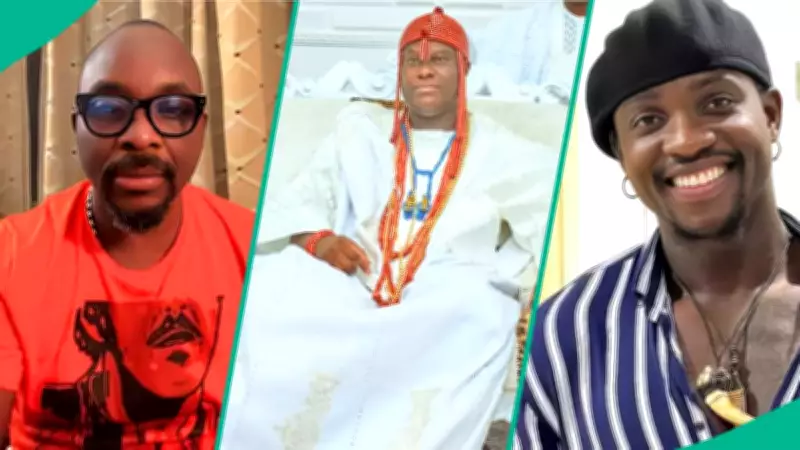
Prominent commentator Isaac Fayose has issued a strong message to social media critic VeryDarkMan and content creator King Mitchy, urging them to leave the Ooni of Ife, Oba Adeyeye Enitan Ogunwusi Ojaja II, out of their ongoing feud. This intervention comes amid heated online exchanges that have drawn the revered Yoruba monarch into controversy.
Background of the Controversy
The conflict escalated when King Mitchy criticized VeryDarkMan over comments regarding her school renovation projects. In response, VeryDarkMan made allegations about Seyi Tinubu, son of Nigeria's president, funding the influencer since 2023. He also made controversial claims about Mitchy's alleged conduct, using provocative language that further inflamed tensions.
King Mitchy then released private WhatsApp conversations that she claimed featured the Ooni of Ife commending her philanthropic efforts. However, the monarch later dismissed these messages as fabricated, distancing himself entirely from the controversy and labeling them as fake.

Fayose's Cultural Intervention
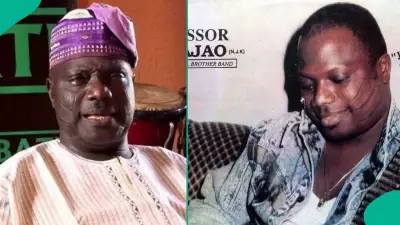
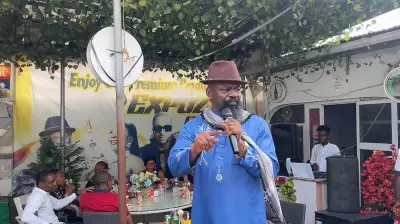
Isaac Fayose reacted through a video posted on his Instagram page, emphasizing that the Ooni of Ife represents the highest authority in Yoruba culture and should not be dragged into unverified online battles. He explained that the phone number shared in the feud did not belong to the monarch, pointing out that a king with multiple queens would never engage in such petty exchanges.
"In all this crossfire, please remove our king. In Yoruba land, we respect our king. Ojaja is our number one. I'll not go to the North or Edo to mention their king. The number King Mitchy is posting is fake. Ooni of Ife has Queens. Ojaja can't stoop so low. Let us be guided in this crossfire," Fayose stated in his video message.
Netizens React to the Drama
The online community has been actively discussing the feud and Fayose's intervention. Various social media users have shared their perspectives:
- @HIHpgAdewuyi questioned how anyone could expect the Ooni to directly contact someone like King Mitchy, noting that even presidential calls would be handled by assistants.
- @Kingballer_824Q criticized King Mitchy's handling of the situation, pointing out contradictions in her claims about knowing the Ooni.
- @MelfordBenson blamed VeryDarkMan for potentially causing division between Yorubas and Edo people by involving the Yoruba monarch.
- @Ejikeisreal10 expressed disbelief that the Ooni would engage in such exchanges, suggesting the WhatsApp messages were fabricated.
Broader Context and Previous Interventions
This is not the first time Isaac Fayose has spoken out on controversial matters. Earlier, he criticized comedian Seyi Law over claims that Nigeria has become safer, pointing to fresh kidnappings in Ondo State as evidence that insecurity persists. On February 25, 2026, armed men stormed the Celestial Church of Christ in Uso, Owo Local Government Area, during a late-night service and abducted at least six worshippers.
Fayose reacted to this incident by labeling Seyi Law a failed comedian and noting that the situation contradicted his earlier security claims. This pattern of commentary demonstrates Fayose's willingness to engage with both cultural and security issues affecting Nigerian society.
Cultural Implications and Tradition
The core of Fayose's message revolves around Yoruba cultural values and the respect due to traditional institutions. He emphasized that just as he would never involve northern or Edo monarchs in similar disputes, Yoruba tradition demands that the Ooni be treated with utmost respect. The Ooni's royal status, according to Fayose, prevents him from engaging in low-level social media conflicts, and involving him in personal battles undermines Yoruba customs and traditions.
This intervention highlights the ongoing tension between modern social media culture and traditional values in Nigeria, particularly regarding how public figures and institutions are discussed in digital spaces. The situation continues to develop as netizens debate the appropriate boundaries for online discourse involving cultural authorities.