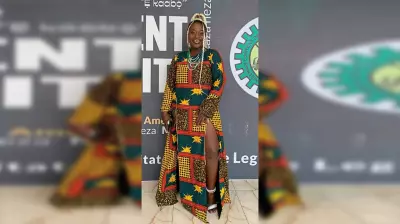
The editor of Guardian Woman, Ijeoma Thomas-Odia, has been awarded as one of Ascent Top 100 Career Women in Africa. The convener of the awards, Dr. Glory Edozien, speaking during the ceremony, called for greater visibility of African women in leadership, warning that despite their growing influence in building institutions and leading teams, many remain underrepresented at key decision-making levels.
Visibility and Power
Speaking at the sixth edition of the awards, Edozien said the theme underscored the critical link between visibility and power, noting that recognition is essential for translating women’s contributions into influence and authority. She explained that the initiative, for the first time, also recognised women under 35 who are shaping corporate institutions, while also correcting historical gaps in who is seen, heard, and remembered.
Drawing parallels with iconic figures such as Queen Amina and Ngozi Okonjo-Iweala, Edozien said their enduring legacies were preserved through visibility and storytelling, adding that the event seeks to ensure that contemporary African women leaders do not remain invisible. According to her, visibility plays a crucial role in unlocking opportunities, attracting funding, and gaining recognition, while also helping to build a strong and visible pipeline of female leadership across the continent. She urged women to step forward, claim their space, and actively participate in decision-making processes.

Institutional Legacy
Financial Controller of First Bank of Nigeria Limited, Yemi Adesanya, described the awards as a celebration of institutional legacy, which she identified as the next frontier for African female corporate leadership. She encouraged women to move beyond participation to redesigning systems and embedding their values into corporate culture. Adesanya noted that First Bank, with its long-standing history, understands the importance of legacy and has continued to invest intentionally in people, particularly women, to build institutions grounded in competence and care.
She added that Africa’s economic future depends on bold individuals capable of building enduring institutions. She stressed the importance of mentorship and inclusive workplace cultures, saying the awards recognise women who have not only achieved personal success but have also built structures that drive economic development.
Power, Presence, and Prestige
Executive Vice President of Business Services at NNPC Limited, Sophie Mbakwe, emphasised the pillars of power, presence, and prestige as essential components of leadership. She described power as the capacity to influence outcomes and shape decisions deliberately, while presence, she said, requires courage to show up and push forward despite obstacles. Prestige, according to her, is earned through consistent excellence, integrity, and measurable results. She urged women to take responsibility for their growth, seek leadership roles, and scale their impact.
Highlighting the Women in NNPC initiative, she said the programme was designed to advance women through mentorship and sponsorship, noting that sponsorship plays a more decisive role in career advancement. She added that true success should be measured by the number of women mentored and positioned for leadership, calling on institutions to commit to advancing women as a pathway to economic growth. Mbakwe further encouraged women to step onto platforms and lead boldly, stressing the need to build legacies that extend beyond titles and positions.
Building Careers and Communities
In her remarks, Joint Venture Asset Manager at Shell, Adanma Uduanochie, described the awards as a celebration of women who are building not just careers but also homes, communities, and societies. She commended Edozien for her vision in creating the platform, noting that it affirms the capacity of African women to deliver results and redefine leadership on the continent. Uduanochie said the theme, “Power, Presence, and Prestige,” captures the defining attributes of impactful leadership, explaining that power lies in shaping outcomes, presence in confidently occupying space, and prestige in leaving a lasting legacy.

She observed that women are increasingly leading in complex environments across Africa, often demonstrating resilience and courage. She stressed that Africa’s development requires leaders who can balance commercial discipline with social responsibility, while also highlighting the importance of networking in achieving executive leadership. Citing global research, she noted that strong professional networks significantly enhance leadership opportunities for women. Uduanochie added that Shell has made measurable progress in gender inclusion, increasing female representation in senior leadership over the years, with a target to deepen diversity further. She said the company’s commitment to diversity, equity, and inclusion remains central to its growth strategy. She also urged women to assert their power, strengthen their presence, and build legacies that will shape Africa’s future, noting that leadership is not only about occupying positions but about creating lasting impact.