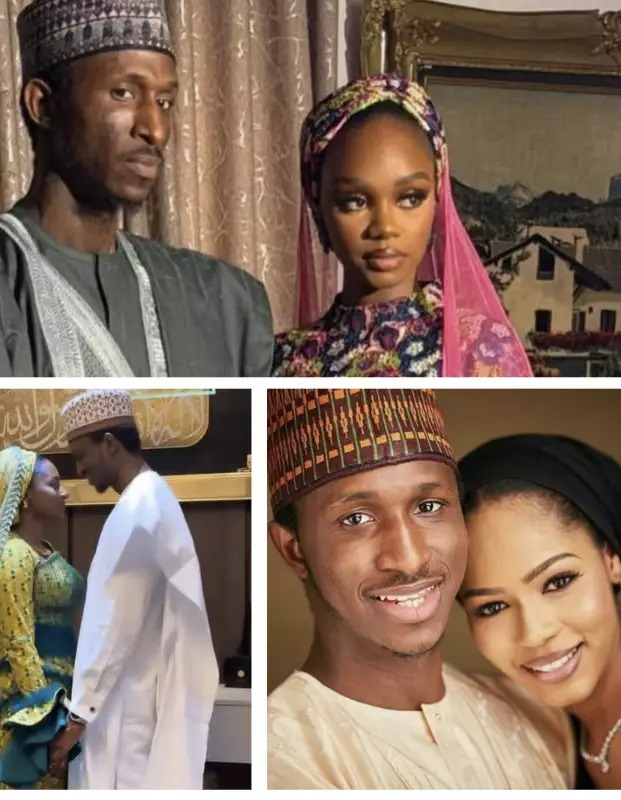
Ibrahim Yar'Adua, the son of Nigeria's former President Umaru Musa Yar'adua, has expanded his family by taking a third wife. The new bride is named Faiza, and her introduction into the family marks the latest development in Ibrahim's personal life, which continues to draw public interest due to his prominent lineage.
A Timeline of Marital Unions
The recent marriage to Faiza follows a pattern of unions that began several years ago. Ibrahim's first marriage was to Saratu Sodangi, a legal professional, in the year 2018. This initial union laid the foundation for his family. Subsequently, two years before the latest event, he entered into a second marriage. His second wife is Amira, who is notably the daughter of Muhammad Babandede, a former Comptroller General of the Nigeria Immigration Service (NIS).
Family Background and Public Profile
As a member of one of Nigeria's most recognized political families, Ibrahim's life events often attract attention. His father, the late President Umaru Musa Yar'adua, led the nation from 2007 until his passing in 2010. The Yar'Adua name carries significant weight in Nigerian socio-political circles, which explains the public curiosity surrounding family milestones such as marriages.

Social Implications and Cultural Context
In many parts of Nigerian society, particularly in the northern regions and among Muslim communities, polygamous marriages are a recognized and practiced tradition. The decision by Ibrahim Yar'Adua to take multiple wives aligns with these cultural and religious norms. It reflects a personal choice made within a familiar social framework, even as it generates discussion in the wider public sphere due to his family's status.
The news of his marriage to Faiza was first reported by popular blogger Linda Ikeji on January 17, 2026. Such personal announcements concerning public figures quickly become topics of national conversation, blending elements of celebrity news, tradition, and public interest in political families.